Info, Guides, and How-tos.
  • Home
  • 100% Free CBT Tests
  • YouTube
  • General
  • World
  • Admission
    • NABTEB
    • JAMB
    • IJMB
  • University
    • Private
    • Federal
  • Telecom
    • MTN
    • Glo
  • Military
    • Army, Navy, Police & Air
    • Customs, EFCC, NDLEA, & others
  • Financial
    • Audit & Fintech
    • Banks
  • Home
  • About
  • Contact Us
  • Privacy policy
Info, Guides, and How-tos.
SUBSCRIBE
  • Home
  • 100% Free CBT Tests
  • YouTube
  • General
  • World
  • Admission
    • NABTEB
    • JAMB
    • IJMB
  • University
    • Private
    • Federal
  • Telecom
    • MTN
    • Glo
  • Military
    • Army, Navy, Police & Air
    • Customs, EFCC, NDLEA, & others
  • Financial
    • Audit & Fintech
    • Banks
Info, Guides, and How-tos.
  • Admission
Copyright 2024 - All Right Reserved
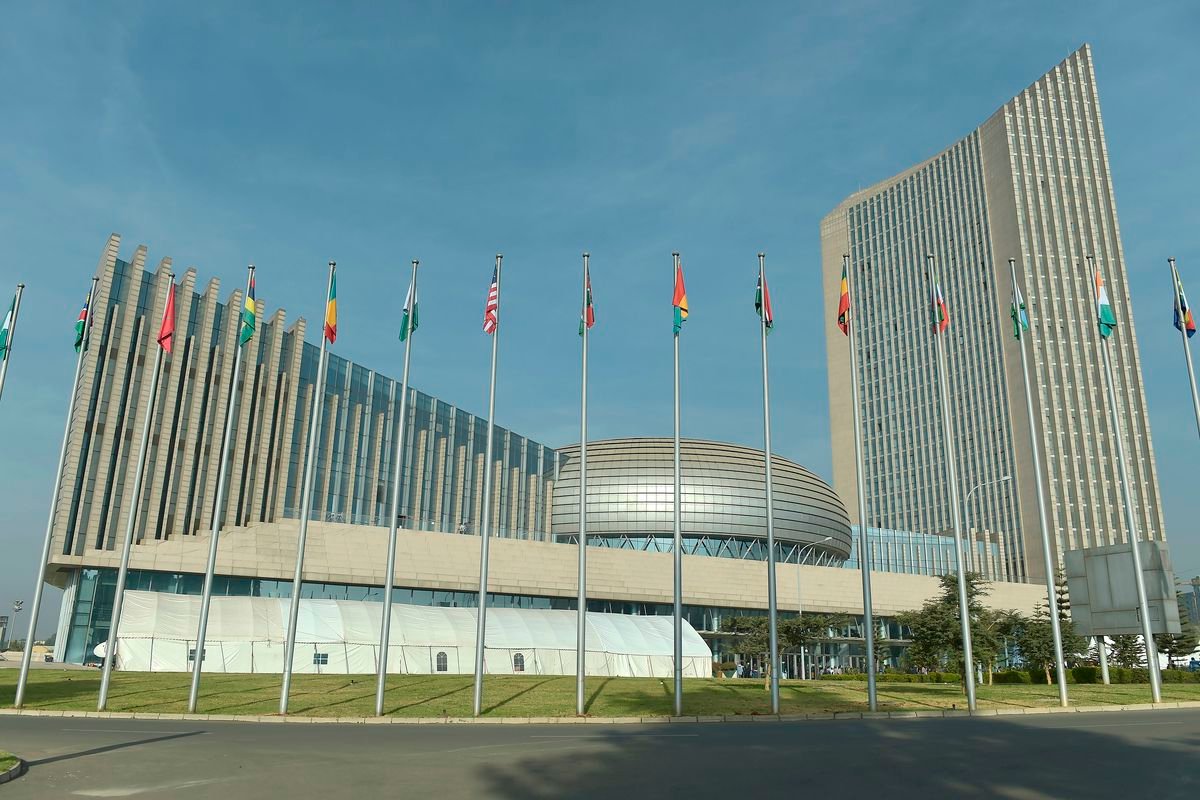
African Union Building, Addis Ababa
World

Is Africa a developing Place? [An Analysis]

by Abbey 26th December 2021
written by Abbey

Development according to the United Nations is a multidimensional undertaking to achieve a higher quality of life for all people. Development may come in economic or socials forms, however, the interplay of of various components of development should lead to a greater good for all people.

Sustainable development ensures that the various aspects of development relate mutually and harmlessly.

What makes a country a developing country?

There are several differences between developed and developing countries, some of these differences are social and economic. The history of a country’s development is rooted in its history of development and industrialization.

According to the United Nations, a developing country is a country with a low standard of living, undeveloped industrial base, and low human development index. The Human Development Index (HDI) is an index used to measure education, poverty level, life expectancy among other factors.

The development index is measured based on the availability of modern infrastructure, as well as a level of shift towards mechanization and industrialization.

Apart from the development index, World Bank development indicators are another important means of measuring the level of a nation’s development.

African countries usually ranks on the lower end of the Human Development index as well as the indicators by the world Bank and it is for this reason that Africa is a developing continent.

Why is Africa not as developed as other continents?

Every country exhibits some level of difference in the distribution of wealth. While some nations are classified as developed, others are classified as either developing or under-developed. Development is defined as the interplay between economic growth and human capital development.

The evidence available suggests that Africa has not accomplished any significant economic development over the last few decades especially when compared with the rest of the human world. Per the UNDP report of 2019, 38 of the 46 countries with the lowest human capital development are in Africa.

The major reason Africa has performed poorly development-wise is due to the enormity sacrifices that precedes economic growth. Most African countries had the potential for development at independence, but unreliable economic policies, poor development of human capital, and political instability have killed this high hopes.

Is north Africa a developing region

North Africa or Northern Africa refers to the northern division of the African continent. Although there is no single accepted geographical scope for this continent, it is generally agreed that the subregion stretches along the Atlantic shores off Mauritania in the west, to the red sea and the Suez Canal by the east.

The northern African region comprises seven countries. They are; Algeria, Egypt, Libya, Morocco, Sudan, Tunisia, and Western Sahara.

Although the North African subregion is officially a developing economy with a prospect for fast growth, it boasts of being a prosperous economic area having one-third of the total African GDP.

Oil production is a major definer of the North African economy with Libya having the highest oil output. North Africa is defined as the African gateway to the Arab world with a strong Islamic presence. It was the epicenter of the Arab uprisings in 2011.

Is sub–Saharan Africa a developing Region?

Sub-Saharan Africa refers to the African countries south of the Sahara. The majority of countries in Africa are located south of the Sahara Desert. 46 of 54 African countries are classified as sub-Saharan Africa per the United Nations.

The following are the countries classified as Sub-Saharan Africa: 

  1. Angola
  2. Benin
  3. Botswana
  4. Burkina Faso
  5. Burundi
  6. Cameroon
  7. Cape Verde
  8. Central African Republic
  9. Chad
  10. Comoros
  11. Congo (Brazzaville)
  12. Congo (Democratic Republic)
  13. Côte d’Ivoire
  14. Djibouti
  15. Equatorial Guinea
  16. Eritrea
  17. Ethiopia
  18. Gabon
  19. The Gambia
  20. Ghana
  21. Guinea
  22. Guinea-Bissau
  23. Kenya
  24. Lesotho
  25. Liberia Madagascar
  26. Malawi
  27. Mali
  28. Mauritania
  29. Mauritius
  30. Mozambique
  31. Namibia
  32. Niger
  33. Nigeria
  34. Réunion
  35. Rwanda
  36. Sao Tome and Principe
  37. Senegal
  38. Seychelles
  39. Sierra Leone
  40. Somalia
  41. South Africa
  42. Sudan
  43. Swaziland
  44. Tanzania
  45. Togo
  46. Uganda
  47. Western Sahara
  48. Zambia
  49. Zimbabwe

Sub-Saharan Africa is one of the fastest-growing economies in the world, with 6 of the 10 fastest growing economies in the world.

Sub-Saharan Africa is still classified as developing because of the low level of social, economic, human, and institutional development.

As of 2019, the nominal GDP of Sub-Saharan Africa is estimated to be at 1.1 Trillion USD according to the World Bank.

Is Southern Africa a developing region?

Southern Africa (not the country of South Africa) is an African subregion south of the continent. It comprises areas south of the Congo River. It is home to the popular Zambezi River.  The southern African subregion comprises Angola, Botswana, Lesotho, Malawi, Mozambique, Namibia, South Africa, Swaziland, Zambia, and Zimbabwe.

The subregion is distinct from the rest of Africa with strong mining activity, and well-developed public infrastructure in contrast to the rest of Africa. Major exports from southern Africa include diamonds, gold, copper, cobalt, chromium, platinum, and uranium.

Southern Africa is a developing region.

Is West Africa a developing region?

The west African region comprises Benin, Burkina Faso, Cape Verde, Cote D’Ivoire, Gambia, Ghana, Guinea, Guinea Bissau, Liberia, Mali, Mauritania, Niger, Nigeria, Senegal, Sire Leone, and Togo.

The West African sub-region has a history of post-colonial wars and has experienced several political crises that have stunted economic growth throughout the region which makes it still developing.

Nigeria is the largest developing economy in this region, and also the largest in the whole of Africa. It is a major leader in trade and diplomacy in the region. Economic development in the region is projected to rise by more than 10% in the next decades, although the Covid-19 pandemic has skewed this projection.

Is east Africa a developing region?

East Africa or East of Africa is a subregion that is part of sub-Saharan Africa, made up of Kenya, Tanzania, Uganda, Somalia, Djibouti, Eritrea, Malawi, Burundi, Comoros, Madagascar, Mauritius, Rwanda, Seychelles, Somalia, Somaliland, South Sudan, and Ethiopia.

Development-wise, the East African sub-region has some of the fastest-growing economies in the continent. Although East Africa is still much a developing region, it has great potential to achieve substantial growth and development in the next few years.


No related posts.

26th December 2021 0 comments
0 FacebookTwitterPinterestLinkedinWhatsappTelegramEmail
africa
World

Is Africa a peninsula

by Abbey 26th December 2021
written by Abbey

Africa is the world’s second-largest continent (after Asia), covering roughly one-fifth of the planet’s total land area. The Atlantic Ocean borders the continent on the west, the Mediterranean Sea on the north, the Red Sea and the Indian Ocean on the east, and the mingling waters of the Atlantic and Indian seas on the south.

For some times, Africa has been referred to as a peninsula  due to its connection to the Arabia through the Suez Canal. This labeling of the African continent as a peninsula stand against the English meaning of the word peninsula. In this post, we are going to discover more about Africa in relations to the word ‘peninsula.’

What is a peninsula?

A Peninsula

A Peninsula

A peninsula is a piece of land that is surrounded by an ocean on its three sides and a mainland at one of its ends. The water body surrounding a peninsula is said to be continuous although at times it may not be an official body of water.

Examples of Peninsulas are the Horn of Africa, the Iberian Peninsula, the Arabian (largest peninsula on earth), the Sinai Peninsula in Egypt, etc.

Why was the old Africa considered a peninsula?

The terms peninsulas, Islands, etc. are often used arbitrarily. By definition, a Peninsula is a land surrounded by water on its major sides but connected by the mainland on one end.

Africa was considered a peninsula because of the connection between Egypt and Arabia through the Suez Canal.

Is Africa truly a peninsula in the modern-day?

The only reason Africa was considered a peninsula in the past is because of the link created by the Suez Canal. Africa can be all things but not a Peninsula – calling it a man-made island is better.

Peninsulas such as the Horn of Africa, Sinai Peninsula do exist in Africa. In all, Africa is a continent just like North America and Europe, and it is not a Peninsula.

What countries in Africa are considered peninsula and why?

Africa has some of its territories that are considered peninsulas, some of these peninsulas are small while some are very large. Below are territories or countries considered as peninsulas in Africa.

Cape Verde Peninsula, Senegal

The Cape Verde Peninsula is a peninsula located in west-central Senegal in Western Africa. Senegal is considered a gateway to Africa due to its proximity to various waterways. The Cape Verde Peninsula projects into the Atlantic Ocean bending back to the southeastern tip, forming a peninsula.

The Horn of Africa, Somali

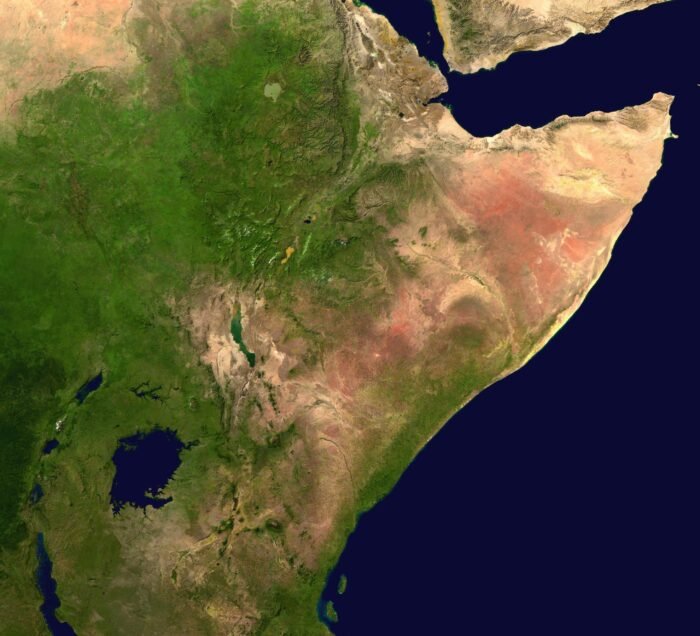
The Horn of Africa

Horn of Africa

The Horn of Africa abbreviated at HOF is also called the Somali peninsula is a peninsula that is located in the east of Africa. It covers part of Ethiopia and Kenya. It is named the Horn of Africa due to the Horned shaped landform at its easternmost end. The Horn of Africa is the fourth largest peninsula in the world.

Sinai Peninsula, Egypt

The Sinai Peninsula is a peninsula located south of the Red Sea, North of the Mediterranean with a land bridge connecting Egypt and Asia. The Sinai Peninsula has a total area of about 60,000km2 and a population of about 500,000 people.

Other peninsulas in Africa include:

  • Buri Peninsula, Somalia
  • Ras Kasar, Eritrea
  • Lekki Peninsula, Nigeria
  • Bakassi Peninsula, Cameroon.

The largest peninsula in Africa

The Horn of Africa, Somali

The Horn of Africa abbreviated at HOF and also called the Somali peninsula is a peninsula that is located in the east of Africa, it is the largest peninsula in Africa and the fourth largest peninsula in the world. It covers part of Ethiopia Eritrea, Djibouti, and Kenya. It is named the Horn of Africa due to the Horned shaped landform at its easternmost end. The Horn of Africa is the fourth largest peninsula in the world.

The Horn of Africa lies south of the red sea and extends several kilometers off the Gulf of Aden, Indian Ocean, Gourdful Channel. The Horn of Africa covers a total land area of 1.8 million km2 with a total population of about 140m people as of 2020.

Can South Africa be considered a peninsula?

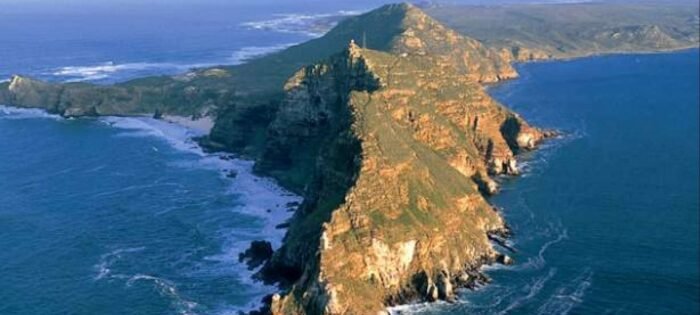
Cape Peninsula

Cape Peninsula

Cape Peninsula is a peninsula that lies at the extreme west of the African continent. The peninsula is about 52 km in length with Cape Point at its southern end and the Cape of Good Hope at its northern end.

South Africa is a country located in the Southern part of Africa sharing a coastline with the South Atlantic Ocean and the Indian Ocean.

In all, since a one-sided stretch of coastline is not a determining factor for characterizing a land area as a peninsula, we can conclude that South Africa is not a peninsula and cannot be ever considered a peninsula.

No related posts.

26th December 2021 0 comments
0 FacebookTwitterPinterestLinkedinWhatsappTelegramEmail
World

[VERIFIED] All Food Items Not Allowed Into US From Nigeria

by Abbey 29th December 2021
written by Abbey

Nigeria is quite popular for its high migration level of persons moving out of the country for one reason or the other. There is however the general concern for most people who travel often when it comes to what they can take along with them on their trips abroad. One category that usually is the bone of contention is food items.

Many Nigerians make it a habit to take food items while embarking on their journey outside of the country. There are many reasons for this upward trend. Some people like to take food with them so they can still have their favorite delicacies even while not in the country.

There is also the issue of cost, as most local Nigerian foodstuffs are a lot more expensive in foreign countries. To cut down on expenses, some Nigerians will prefer to carry some raw foodstuff with them while traveling. Nigerians also take food along with them for business purposes. They sell these food items to other Nigerians residing in foreign countries for profits.

Other times too, food items are taken as a form of gift to relatives and friends living abroad. For whatever reason, moving foodstuff from Nigeria to another country usually comes under stringent scrutiny.

Consequently, this article is a comprehensive guide on prohibited Nigerian foods that will not be allowed into the US from Nigeria.

Official CBP Guidelines

The U.S. Customs and Border Protection (CBP) has a comprehensive guide on the kinds of food items that are not permitted through the American border. This guideline is not an all-exclusive rule book as it may also be subject to discretion by US Customs’ agents.

CBP works in close conjunction with about 40 other agencies to enforce laws regarding the transportation of food items into the US. These include the U.S. Department of Agriculture, the U.S. Fish and Wildlife Service, and the Centers for Disease Control and Prevention (CDC). These agencies are charged with the responsibility of making sure certain unsafe items do not make it into the US.

So before you embark on your trip from Nigeria, you should have a chat with a CBP agent to know what is allowed and what is not.

Keep in mind that if you are found with undeclared food items while on US soil, you may be slapped with a fine of $10,000.

Food Items Prohibited by the CBP

Below is an excerpt of the list of food items not allowed into the US as published by CBP:

1. Food Products (Raw and Prepared)

You may bring bakery items and certain cheeses into the United States. The APHIS Web site features a Travelers Tips section and Game and Hunting Trophies section that offers extensive information about bringing food and other products into the U.S.

Many prepared foods are admissible. However, bush meat made from African wildlife and almost anything containing meat products, such as bouillon, soup mixes, etc., is not admissible. As a general rule, condiments, vinegars, oils, packaged spices, honey, coffee, and tea are admissible.

Because rice can often harbor insects, it is best to avoid bringing it into the United States. Some imported foods are also subject to requirements of the U.S. Food and Drug Administration.

2. Fruits and Vegetables

Bringing fruits and vegetables depends on a number of factors. For instance, consider the apple you bought in the foreign airport just before boarding and then did not eat.

Whether or not CBP will allow the apple into the United States depends on where you got it and where you are going after you arrive in the United States. The same would be true for Mediterranean tomatoes. Such factors are important because fresh fruits and vegetables can introduce plant pests or diseases into the United States.

One good example of problems imported fruits and vegetables can cause is the Mediterranean fruit fly outbreak during the 1980s. The outbreak cost the state of California and the federal government approximately $100 million to get rid of this pest.

The cause of the outbreak was one traveler who brought home one contaminated piece of fruit. It is best not to bring fresh fruits or vegetables into the United States. However, if you plan to, contact either CBP or check the Permits section on the USDA-APHIS Web site for a general approved list on items that need a permit.

Note: The civil penalty for failing to declare agricultural items at U.S. ports of entry will cost first time offenders $300. The penalty for the second violation goes up to $500. To avoid receiving a penalty all agricultural items and present them to Customs and Border Protection for inspection so that an agriculture specialist can determine if it is admissible.

3. Alcoholic Beverages

In addition to U.S. laws, the laws of the state in which you first arrive in the United States will govern the amount of alcohol you may bring with you, and whether you need a license.

If you plan to bring alcoholic beverages with you, before you depart, you should contact the state’s applicable alcoholic beverage control board to determine what you need to do to comply with that state’s laws and regulations.

No related posts.

29th December 2021 0 comments
0 FacebookTwitterPinterestLinkedinWhatsappTelegramEmail
[ANALYSIS] How much cash you can carry legally in Nigeria
World

[ANALYSIS] How much cash you can carry legally in Nigeria

by Abbey 29th December 2021
written by Abbey

How much cash does the Nigerian Customs allow via the international airport? 

The maximum amount of cash permitted by the Nigerian Customs via international airports is contained in The Money Laundering Prohibition Act 2011. A section in the Act states that any money above $10,000 (approx. N5.3million) must be declared to the Nigerian customs service. Any amount less than this would be allowed without any restrictions.

Also, note that failure to declare cash above this limit is punishable by law. Such a person may be required to either forfeit such sums or face imprisonment of not less than two years or both.

How much cash can you carry around once you are in the country?

As a Nigerian or foreigner living in the country, there is no limit to the amount of cash you can carry around with you. How much you choose to take with you while moving within any city should be at your discretion.

However, is it advisable to move around with very large amounts of cash? The answer is NO. Aside from the obvious security concerns that may arise from you carrying large sums of money on you as move around, you may get harassed by law enforcement agents. We will get to that in a minute.

Traveling with huge sums of money also leads to impulsive spending. This is especially true for persons making inter-state trips who may feel the urge to buy raw foodstuff in areas where they are considered cheap.

The truth is that while you think you are saving money, you may lose in the long term. You may not get to eat up those food items (See food items you can’t bring into USA from Nigeria) as quickly as possible which results in spoilage.

Why you shouldn’t carry cash around (Safety and extra costs for police excorts)

You might want to take into consideration the high state of insecurity in the country. Moving around with huge cash puts you at risk of being robbed especially on high ways. You should also consider the poor state of the country in terms of law enforcement. The same law enforcement agents that are meant to serve and protect sometimes harass and extort innocent citizens.

Even where they do not extort, you may become a target for unnecessary delays and incessant questioning. As a consequence, it is always best to travel light only on disposable cash. Now with ATMs and POS outlets at almost every corner, getting access to cash when you need it isn’t a modern-day concern.

How much cash a foreigner needs per day in Nigeria

A foreigner who has just moved into the country may find his or herself spending quite more than the average Nigerian citizen. This is because most times, the foreigner may have to use amenities and utilities above the very basic level.

These kinds of amenities/utilities would include lodging in decent hotels, eating in fancy restaurants, and shopping in departmental stores.

Also when it comes to transportation, a foreigner may not find it convenient to board mass transit transportation systems. That may lead to the need for ridesharing services like Uber or Bolt.

All of these are bound to incur more routine daily costs. Aside from lodging bills which should start from anywhere around N25,000 per night on average for a decent hotel, a foreigner may be spending anywhere between N5,000 to N10,000 on feeding, transportation, and other logistics each day.

Alternatives to carrying cash in Nigeria 

There are a ton of great alternatives to moving around with cash in Nigeria. Long gone are the days when you could only access cash over the counter at banks. Now with the explosion of ATMs and POS machines, you can access cash easily.

We also have more in terms of payment and withdrawal options. Aside from debit/credit cards, there are now have eWallets, cryptocurrencies, virtual cards like barter flutter wave; which are all means of electronic payment.

How to convert your electronic money to physical cash in Nigeria

If you wish to convert your electronic money to physical cash in Nigeria, there are many ways to go about it. You have the option of using an ATM machine to simply withdraw cash using your ATM debit card.

With the wave of POS outlets in almost every street corner in the country, you also have the option of using this channel as well.

No related posts.

29th December 2021 0 comments
0 FacebookTwitterPinterestLinkedinWhatsappTelegramEmail
World

[Hard Facts] How Safe for White Woman to Travel to Nigeria

by Abbey 29th December 2021
written by Abbey

An Overview of The Current Safety Situation In Nigeria

The Nigerian situation in terms of security no doubt is quite a mess. For upwards of 10 years, Nigeria has been under siege from a growing class of bandits terrorizing different parts of the country.

These range from kidnappers, Boko Haram, and the most recent of all, is the Fulani herdsmen. Statistics show that almost no region in the country has been spared from the atrocities meted out by these criminals.

So the question is: Just how safe is the country for foreigners who may want to travel in for one reason (See top 5 reasons why foreigners come to Nigeria) or the other? To answer that question, we need to put a few factors into consideration.

Firstly, the high insecurity in Nigeria hasn’t stopped foreigners from living and working in various parts of the country.

Does this mean it is completely safe for foreigners to travel into the country? The honest answer to that is NO. Nonetheless, here are some anecdotes to help dispel some of the misconceptions of insecurity in Nigeria:

  1. The North-Eastern part of Nigeria has been the most victimized of all the regions.
  2. The North-East has the highest number of casualties from Boko Haram and Fulani Herdsmen attacks.
  3. The Fulani Herdsmen activities have been relatively negligible in the other 5 geo-political zones in the country. This is of course with the exception of a few parts of the North-Central region (Plateau, Taraba, and Benue States precisely).
  4. There hasn’t been a recorded case of bomb blasts outside of the North-Eastern part of the country in 7 years.
  5. There also hasn’t been a reported case of any foreigner being kidnapped for ransom in any part of the country since 2014.

From the points highlighted above, it is obvious that not every single location in the country is rife with high levels of insecurity. The brunt of all the atrocities has been centered more in the North-Eastern part of Nigeria.

What Safety Cautions Should Be Taken By a White Woman Travelling Into Nigeria?

For a white woman traveling into Nigeria for casual or business reasons, here are a few tips to adhere to remain safe:

1. Don’t Travel Across State Lines At Night

Most interstate roads across Nigeria are usually unsafe in the night hours. So if you must travel, endeavor to make your trips during the day. It is also advisable to avoid long trips. Where long trips are inevitable, break your journey and lodge in a hotel as soon it starts to get dark.

2. Avoid Slums, Ghettos, and Poor Neighborhoods Without Company

Avoid going into poor neighborhoods, slums, and ghettos without the company of a trusted guide (preferably an indigene of the area). Any lurking threats will be put at bay with the presence of an escort.

3. Generally, Stick To Uber or Bolt

If you are moving around your business within any metropolis in Nigeria, avoid using public mass transportation. Always seek the services of transport services such as Uber or Bolt. There are generally safer and drivers of such services are most times educated and courteous.

4. Avoid The North East Of Nigeria

For whatever reason, do not go to the North-Eastern part of the country. Avoid this area completely as it is very volatile and considered a high-risk zone.

5. Stick To Good Hotels

Avoid cheap hotels sited in remote areas as these kinds of hotels are usually the target for miscreants and robbers. Some cheap hotel owners and staff even connive with criminals to swindle unsuspecting customers. For your safety and that of your property, it is best to go for a good hotel in the heart of the city. Although such hotels may at a high cost, it’s a good bargain at the end of the day when considering the upsides.

6. Be Mindful of The Company You Keep

You should not entertain every single gesture handed to you. Yes, it is fine to be courteous to the people of your host country. But sometimes, this can be dangerous as not every person has a good intention. Only entertain just few people you can completely trust.

Foreign Media Bias Towards The Actual Security Situation

The foreign media has not been very helpful when it comes to reports concerning the insecurity situation in the country. While some reports have been lopsided, some have been blown completely out of proportion. Now, in the era of fake news, some foreign news agencies have also gone to the extent of peddling false news with ulterior motives.

There are also constant cases of killings and mayhem that go on even in developed countries like the US, but they do not get reported as such.

Nigeria may be experiencing high levels of insecurity at the moment, but it is not all a deterrent for foreigners who may be interested in coming into the country.

No related posts.

29th December 2021 0 comments
0 FacebookTwitterPinterestLinkedinWhatsappTelegramEmail
map of new york
World

[FACTUAL] Size Of Nigeria Compared To New York

by Abbey 29th December 2021
written by Abbey

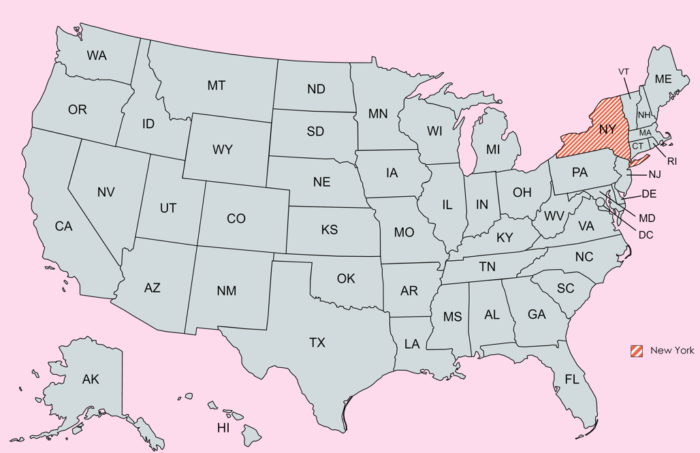
Location of New york on the world map

New York is a state in east coast of the United State of America. It has longitudinal and latitudinal coordinates of 40.7128° N, 74.0060° W.

Location of New york on the world map

New York is bounded by six other US states to include:

  • New Jersey and Pennsylvania to the south
  • Massachusetts, Rhode Island, Connecticut, and Vermont on its eastern border.
  • To the north, it is bordered by the Quebec and Ontario provinces of Canada.
  • New York State is bounded to west by Lake Erie.

Location of Nigeria on the world map

Nigeria is a West African country with longitudinal and latitudinal coordinates; 9.0820° N, 8.6753° E. It is bounded on its western axis by Benin Republic. To the east, it is bounded by Cameroun.

Map of nigeria

Map of Nigeria

Nigeria shares its northern border with the North African country of Niger Republic while to the north-east; it has Chad as its neighbor. To its southern border, there is the Atlantic Ocean that covers up the entire coastal line.

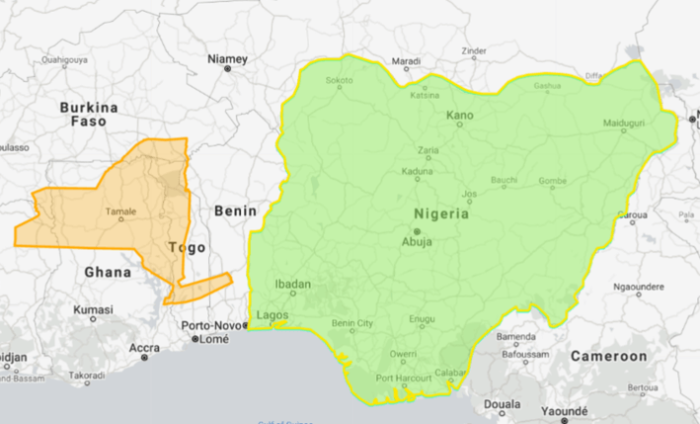
Side by side comparison of New york and Nigeria drawn to scale

Side by side comparison of New york and Nigeria drawn to scale

New York (L) and Nigeria (R)

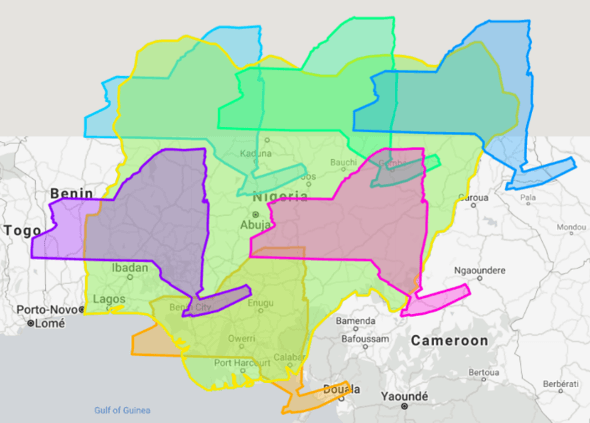
Super imposing of New york and Nigeria maps (Is New york is the same size of Nigeria?)

Side by side comparison of New york and Nigeria drawn to scale

New York state has a size of 141,300 km² while Nigeria measures 923,768 km² in size. This makes Nigeria 6.5 times bigger than the size of the state of New York.

Population demographics of Nigeria as compared to New York

By the last count in 2019, New York has a population of 8.419 million. Nigeria on the other has a population of 206.1 million people according to a 2020 statistics.

GDP comparison of both places

New York GDP is currently measured at 1.751 trillion USD while Nigeria has a GDP of 432.3 billion USD

Unique things they both share together

The state of New York and Nigeria are different in many ways. Yet, both places share some things in common. We are going to discuss those unique similarities between Nigeria and New York below.

Cultural diversity

While New York is a state in the USA, Nigeria is a fully-fledged country. Nonetheless, the state of Nigeria has some elaborate features that make it not only comparable but competitive with many countries around the world. With Nigeria being a focal point, cultural diversity is one striking similarity it shares with the state of New York.

Nigeria as a country is made up of 250 ethnic groups. These include Hausa, Igbo, and Yoruba which are the three dominant ones. Some other minorities are Bini, Ijaw, Tiv, Efik, Ibibio, and Fulani, etc. New York subsequently is home to different races and ethnicities that made their ways over to its iconic Riker’s Island since the early 1900s. These include Jews, Irish, Euro-Italians, and Greeks.

New York State also has a great number of Black and Latino racial make-ups.

Cities

Nigeria plays hosts to Lagos: one of the most populous and prominent cities in Nigeria and Africa. New York State also has New York City, one of the busiest and most prominent cities in the USA and the world. Both cities are the central business districts for both New York state and Nigeria consecutively.

Weather

New York State experiences all four main seasons in the US: Spring, Summer, Autumn and Winter.  Spring begins somewhere around February and elapses in the month of May. The Summer season starts around May and lasts till September. Autumn season is around October and November just before chilly winters which starts around late and ends in February.

Nigeria has two main seasons: Rainy season and Dry season. Both places have commonalities in temperature change between the months February and May. This period usually have longer days and trees and flowers begin to bloom again. Between the months of May and September, both places experience tropical weathers of heavy sunshine and rainfalls. The months of December and January are the coldest in New York and Nigeria.

No related posts.

29th December 2021 0 comments
0 FacebookTwitterPinterestLinkedinWhatsappTelegramEmail
World

[VERIFIED] Size of Nigeria compared to the USA

by Abbey 29th December 2021
written by Abbey

Location of the USA on the world map

USA is located on the Western hemisphere when viewed on the map. Its longitude and latitudinal coordinates are 37.0902° N, 95.7129° W. USA is bounded on the north side by Canada. While on the south, it is bounded by the South American country of Mexico. USA and Canada are the only two countries that make up what is known as the continent of North America.

map of usa showing all states

Map of USA

USA is currently made up of 50 states. To the west of the US, you will find the North Pacific Ocean. On the east, USA is bounded by the North Atlantic Ocean.

Location of Nigeria on the world map

Africa is located at the center of the world map, which consequently puts Nigeria in a similar bearing.  Its longitude and latitudinal coordinates are 9.0820° N, 8.6753° E. Nigeria is located to the west of the continent of Africa. It is bounded to the North by the North-African country of Niger Republic.

Map of nigeria

Map of Nigeria

While to the north-east, Nigeria is bounded by Chad, which is also a North-African nation. On the west however, Nigeria is bounded by Benin Republic with Cameroon to its eastern border. Subsequently, Nigeria is bounded on its southern border by the Atlantic Ocean.

Side by side comparison of the USA and Nigeria drawn to scale

Side by side comparison of the USA and Nigeria drawn to scale

USA (blue) and Nigeria (pink)

Super imposing of the USA and Nigeria maps

Side by side comparison of the USA and Nigeria drawn to scale

Is the USA is the same size of Nigeria?

When measured to scale, USA is approximately 10 times the size of Nigeria in land mass. Both places are clearly not of the same size.

Population demographics of Nigeria as compared to the USA

The population of the United States of America (Compare the relative location of Africa and the USA) is approximately 329.5 million according to a 2020 statistics. Nigeria on the other hand has a population of about 206.1 million according to the last count.

GDP comparison of both places

The US currently has a GDP of 20.94 trillion USD. Nigeria’s GDP is estimated at around 432.3 billion USD according to a 2020 statistics by the World Bank.

Unique Things They Both Share Together

Nigeria and the USA differ broadly in a lot of ways. From geographical location, land mass, to population size and density. Nonetheless, there are a couple of things both nations have in common. We will describe a few of them below.

States

Nigeria and USA are one of the only countries that are broken down into many states, each having a capital city. USA currently has 50 states, while Nigeria has 36 states.

Cultural diversity

Both countries are made of multiple ethnicities. Nigeria for instance is made up of over 250 ethnic groups, the major ones being the Hausa, Yoruba, and Igbo ethnicities. There are other minority groups in Nigeria to include Ijaw, Bini, Tiv, Ibibio, Efik, and Fulani, etc.

USA is split across both racial and ethnic lines. The three major racial groups include White, Black, Asiatic, and Hispanics. The white makeups consist of descendants from different parts of Europe, while Blacks in America can trace their roots to Africa.

The Asiatic racial groups are made up of people from the Asian continent. Hispanics or Latinos on the other hand are descendants of South American origin. These include countries such as Mexico, Puerto Rico, Cuba, Columbia, Dominican Republic, and Peru, etc.

The USA is also composed of other minority ethnic make-ups to include Amerindian and Alaska Native, Native Indians, Native Hawaiian, and Pacific Islander, etc.

Weather

The weather in both countries differ in many ways, however, they still share some unique similarities. USA on one hand has four main seasons: Spring, Summer, Autumn and Winter.  Spring starts around Feb and ends in May. Summer begins around May and ends in September. Autumn season is usually the shortest, and is the transition between summer and winter. The winter season can begin anywhere from late November and last up till February of the following year.

Subsequently, Nigeria has only two main seasons: dry season and raining season. However, both seasons can each be sub-divided into two categories. For instance, the dry season begins around October and last till March, while the raining season starts around April and ends in September.

Nigeria and USA share some similarities in weather at various points within the year. Take for instance the spring time in USA, which is the time between winter and summer. This period typically consist of longer days and may include light rain shower in-between. The weather experience around this period in Nigeria is almost similar. Both countries also share similarities between the months of May and September. This is usually summer time in the USA and rainy season in Nigeria. Both periods are typically tropical and consist of both heavy sunshine and heavy rainfall.

The winter in the US is synonymous with the harmattan season in Nigeria, simply for the cold temperature around that time of the year.

Natural Disaster

The US experiences more in terms of natural disaster than Nigeria. But both countries still share some commonalities. These include flooding, whirlwinds, and drought etc.

No related posts.

29th December 2021 0 comments
0 FacebookTwitterPinterestLinkedinWhatsappTelegramEmail
eko atlantic city
World

Is Lagos Wealthy? [5 reasons Why]

by Abbey 4th January 2022
written by Abbey

I have lived in Lagos for the better part of 10 years and I believe I am in a prime position to talk about the wealth distribution of Lagos state. The very question of if LEGO states is wealthy on, not new topic.

Wealth and distribution in Lagos among the rich and poor

Lagos state is equally divided into two parts. We have the island, and we have the mainland.
The Lagos Island is linked to the Lagos mainland by the 3rd mainland bridge. The 3rd mainland bridge is one of Africa’s longest bridge, and its importance can not be over-emphasized.

On the Lagos Island, we have Porsche locations, like the Victoria Island the Lekki peninsula. We have the banana island and we also have one of Nigeria’s, most wealthiest neighborhoods called Ikoyi. The island is home to the wealthy persons of Lagos states, and you also find blue-chip companies and their headquarters.

The other part of Lagos states is called the Lagos mainland. the Lagos mainland is for everyday people in general: for the middle class, and the lower class. And the areas that in this middle class are Iyanapaja, Mushin, Ikorodu, Agege, etc.

Lastly, there are areas that can be regarded as the in-betweens: the areas where the residents are not necessarily wealthy, neither are they so poor? So these in-between areas are Magodo, Ogudu, Ikeja, Surulere and even some areas on the island, like Ajah.

Is Lagos a rich city (five reasons why?

1.Lagos has a GDP of 84 billion dollars

This figure is a humongous amount of money in relation to Africa. I understand that it might not be a big amount when we compare it to other big cities, like Texas, California, or Singapore, but at a GDP of 84 billion dollars. Lagos has a higher GDP than quite a lot of African countries.

In fact, if Lagos was an African country on its own, it will be the seventh African country in terms of GDP. Lagos has a GDP that is higher than that of Ghana at 67 billion dollars. It is also higher than the GDP of Rwanda which comes in at 10 billion dollars and the GDP of Lagos is comparable to the GDP of Kenya at 95 billion dollars.

2. A huge annual Budget

The next point has to do with spending. Lagos has an annual budget of 4.2 billion dollars, which was accented to, by the governor of Lagos State for the year 2022. This is a massive amount of money even compared to the national budget of Nigeria which is around 8 times that figure.

3. Expensive real estate in Lagos

Lagos states have one of the world’s most expensive real estate, not even on the continent of Africa alone. We have an island called the Eko Atlantic City with houses that runs into millions of dollars and situated there are going to be some of Africa’s biggest companies, and even the US embassy has obtained land there.

4. Lagos is Africa’s entertainment hub

We have musicians and artists, the biggest in the continent who have taken Lagos as their home. Some of these musicians include the Grammy Award-winning Burna Boy. The music, entertainment, and arts industry in Nigeria is valued at 2 billion dollars. And the bulk of that amount of money is generated in Lagos State.

5. Lagos is Nigeria’s Commercial center

Lagos state borders the Atlantic Ocean which means that huge ocean-going vessels are able to berth in Africa’s most popular city. And for this fact, these ships brings in goods and services from countries like China, US and Japan. And from there it’s shipped to other parts of the country.

The state has the highest purchasing power in Africa, and this usually translates to more wealth for people to spend.

Conclusion

So the question is, is Lagos state wealthy? Lagos state is a very well city. There are poor people and they have people in the middle class just like any other place but it is one of the fastest-growing cities in the world and its wealth with only continue to increase.

No related posts.

4th January 2022 0 comments
0 FacebookTwitterPinterestLinkedinWhatsappTelegramEmail
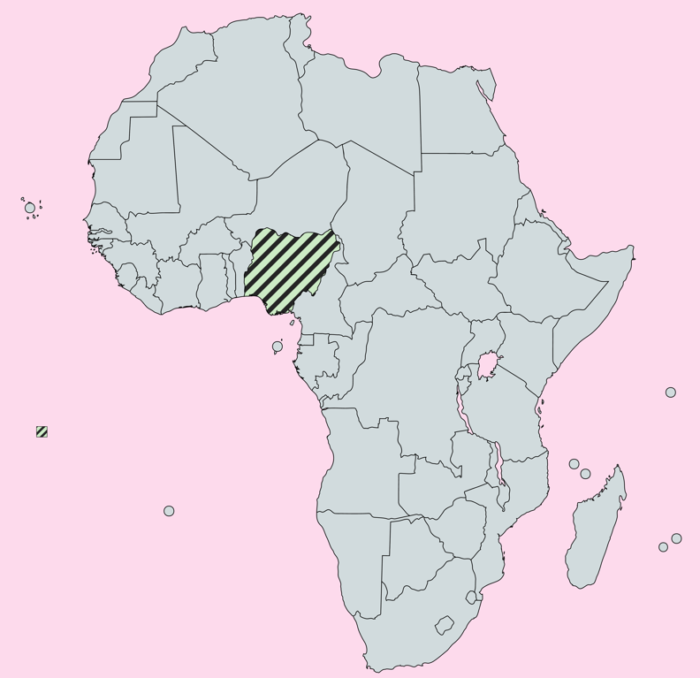
Map of Nigeria
World

(Thorough) Major sectors of the Nigerian economy and their GDP contribution

by Abbey 4th January 2022
written by Abbey

Nigeria is the 15th oil-producing country in the world. While the amount of oil that the country produces currently stands, at 1.67 million barrels per day, you will be very wrong to think that the Nigerian economy is just about oil.

oil production per day in nigeria

oil production per day in Nigeria

Data from the Nigerian Bureau of Statistics will be used to compose this article. And we will also provide you with info not only about the major sectors of Nigeria’s economy. We will also tell you their contribution to the GDP using 2020 as the benchmark.

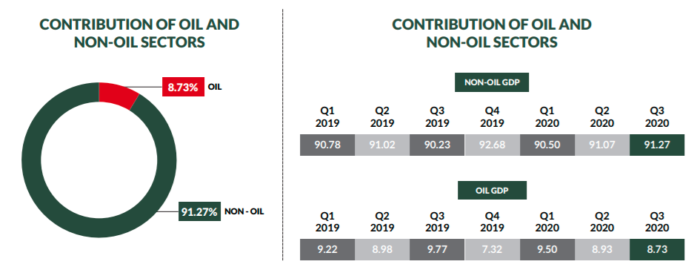
Broadly, the Nigerian economy can be divided into the oil sec

Contribution of oil and non oil sector the Nigerian economy

Contribution of oil and non oil sector the Nigerian economy

tor and the non-oil sector. As you know, the oil sector simply involves the production and sale of oil. And this contributes about 9% of the Nigerian GDP.

The non-oil sector on the other hand is driven by a number of sectors and the major contributors are: information and communication, agriculture… basically crop production, construction, financial and insurance, as well as public administration and real estate.

The non-oil sector of the Nigerian economy contributes about 91% to the country’s GDP. However, this is not the reason why you opened this link as I will now proceed to discuss and break down the major economic drivers of Nigeria.

Major economic sectors of Nigeria

1. Mining and quarrying sector

This consist of crude petroleum and natural gas, coal mining. There is also metal mining as well as quarrying and other minerals activities. This industry contributes about 9% to the nations. GDP.

2. Agriculture

The crop production, livestock farming forestry as well as fisheries agriculture contributes about 30.77% to the overall GDP of the country. By a wide margin, the crop production sub-sector is the main driver of the agricultural sector.

3. Manufacturing sector

The manufacturing sector is comprised of a whopping 13 industries or subsectors. These are: Oil Refining; Cement; Food, Beverages and Tobacco; Textile, Apparel, and Footwear; Wood and Wood products; Pulp Paper and Paper products; Chemical and Pharmaceutical products; Non-metallic Products, Plastic and Rubber products; Electrical and Electronic, Basic Metal and Iron and Steel; Motor Vehicles and Assembly; and Other Manufacturing.

This sector contributes about 9% to the country’s GDP.

4. Electricity, gas, steam, and air conditioning supply

This sector contributes to the tune of 0.3% to the nation’s GDP and it involves the generation of electricity and other byproducts in order to provide power to the economy.

5. Construction industry

Involves the building of roads, and other infrastructure products in the country and this sector contributes about 3% to the GDP of the country.

6. Trade sector

The trade sector contributes about 14% to the nation’s GDP and it involves wholesale and retail trade of goods, within a country and also outside the country paragraph.

7. Accommodation and food services

This sector contributes about 0. 7% to the GDP of the country. The accommodation sector involves the rental of homes while the food services involve the cooking and sale of food and auxiliary culinary services.

8. Information and communication

This sector has four other subspecies which are publishing motion, picture sound recording music, production, and broadcasting. And it contributes 13% to the countries GDP.

9. Transportation and the storage sector

This sector has about six other activities. These are rail transport. Road transport water, transports, air transport services, and posts.

This sector contributes about 1% to the GDP of the countr.

10. Arts, entertainment, and recreation sector

The overall GDP contribution of the sector is about 0.1% and it involves the sale of art products and also recreational activities and other forms of entertainment.

11. Real estate services

which involves the construction of houses and other industrial buildings for people. And this is a booming sector of the Nigerian economy which has now contributed to over 5% to the real GDP of the country.

12. Finance and insurance sector

Nigeria has some of the best banks in Africa, and also insurance companies. It contributes to over 2% of the GDP of the country.

13. Administrative and support services

It’s actual contribution to the GDP of the country is to the tune of 0.02%.
It is a vital part of the makeup of the country.

14. Professional, scientific and technical services

This sector contributes to our 3% to the aggregate GDP of the country.

15. Education sector

This involves the building of schools: primary, secondary, and university and other education-related activities. It contributes about 1.5% to the real GDP of the economy.

16. Public administration

The public organization is the implementation of all policies as set out by the government of a country and it is a useful academic discipline. This sector has contributed to over 2% of the GDP of Nigeria.

17.Human health and social services

The contribution of this sector is over 0.5%, as at 202.

18. Water supply sewage with management higher mediation sector.

And this is about the last sector major, contributor to the economy and GDP of Nigeria.

No related posts.

4th January 2022 0 comments
0 FacebookTwitterPinterestLinkedinWhatsappTelegramEmail
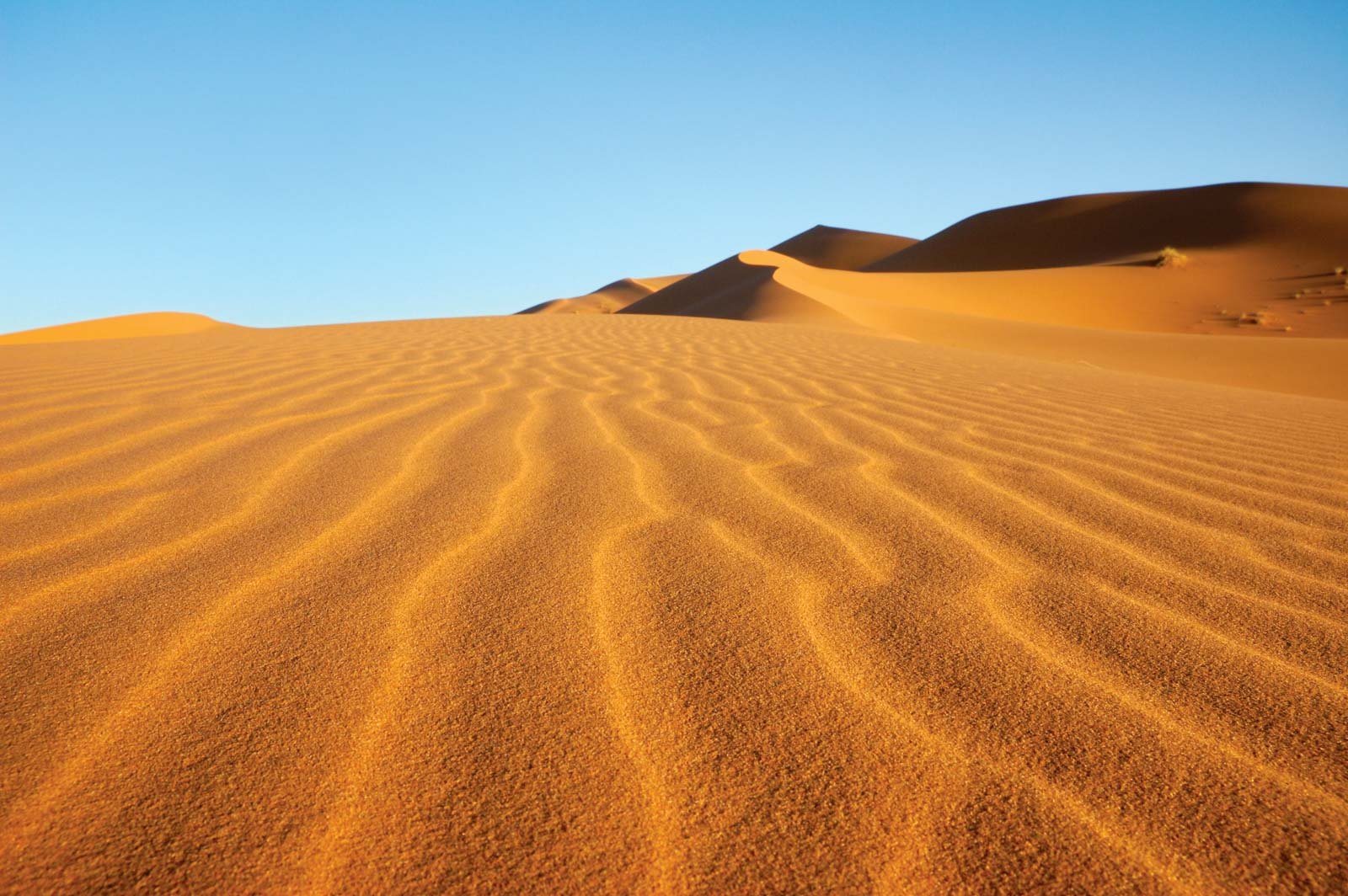
Sahara Desert
World

Is Africa a desert? [A thorough analysis]

by Abbey 4th January 2022
written by Abbey

Desertification is the process whereby the productivity of drylands is reduced by either natural or human causes. Desertification may be a consequence of deforestation, climate change, overgrazing, poverty, and other factors.

Desertification does not refer to the expansion of present desert conditions, rather it refers to all the factors that threaten the general ecosystem of drylands.

Understanding the concept of African desertification

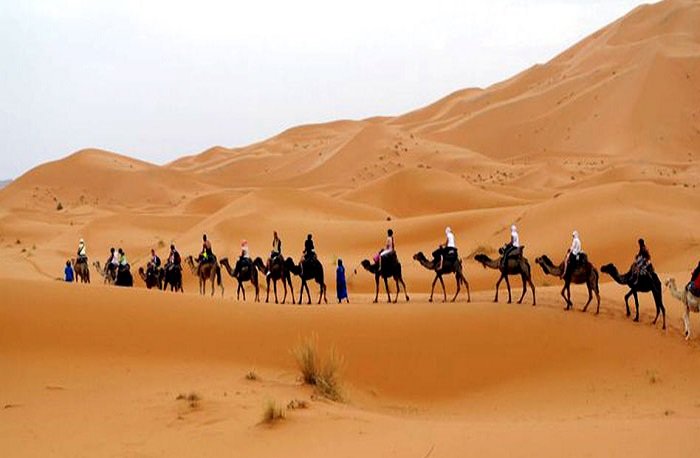
Walking through the Sahara

Africa as a continent is most affected by the scourge of desertification, the most remarkable landmark to the south is the Sahara Desert. Desertification has a profound effect on the general socio-economic wellbeing of people, for example, the majority of countries located south of the Sahara Desert are amongst the world’s poorest countries, due to periodic droughts that reduce agricultural input.

Africa sits on both sides of the equator, with about equal lengths to the south and north. Because of the equator’s separation of Africa into nearly two equal portions (lengthwise), the climatic and physical conditions in the north repeat themselves in the south. The Kalahari Desert can be likened to the south’s Sahara; the Karoo is similar to the Maghreb; and the Cape region’s characteristics are nearly equivalent to that of the Mediterranean area.

Deserts in Africa such as the Sahara Desert, Karoo Desert, Kalahari, and the grassland of East Africa span an area of about 20million km2 covering more than 67 % of the continent’s total landmass.

Is Africa turning into a desert?

Desert encroachment has increasingly become an issue of concern to many Africans with some believing that the Sahara Desert is gradually expanding, however, research carried out has found this to be false. Although a substantial part of Africa is suffering from desertification, it is not caused by the expansion of the Sahara Desert or any other desert.

Some parts of Africa are turning into desert areas mainly because of the effects of climate change, overpopulation, droughts, over farming, overgrazing, and other natural and man-made causes. For example, the Northeast region of Nigeria in Western Africa has been experiencing rapid desertification in the past years.

Notably, the Sahel region located between the Sahara desert and the Sudanian Savannah has been experiencing rapid loss of arable land to desertification due to drought and erosion. According to the Borgen project, 46% of Africa is threatened by the scourge of desertification.

Also, according to the Borgen Project, the country most affected by desertification in Africa is Senegal although ambitious projects like the Great Green Wall may reduce this drastically.

The largest deserts in Africa

Sahara Desert

The Sahara Desert is the largest in Africa covering a total landmass of about 9.2 million km2. It is the hottest desert in the world with a temperature reading as high as 50 °C (122° F).

Kalahari Desert

The Kalahari Desert is the second largest desert in Africa covering a total land area of 930,000 km2. It extends through Namibia, Botswana, and South Africa. The Kalahari Desert is semi-arid unlike the Sahara and receives about 10 inches of rain annually.

Karoo Desert

The Karoo desert is the third largest desert in Africa, it is located in Southern Africa with low rainfall of fewer than 10 inches annually.

How much of Africa is a desert?

Deserts in Africa such as the Sahara Desert, Kalahari, and the grassland of East Africa span an area of about 20million km2, covering more than 67 % of the continent’s total landmass.

Desert-like conditions are prominent at the fringes of the African continent, although local variations do exist across major countries, most of the continent is desert-like. In contrast to other parts of Africa however, the central parts of Africa are wetter with rainforests, grasslands, and semi-arid climates.

Why Africa cannot be ENTIRELY considered a desert

Although more than 67% of Africa is covered by deserts, some of these deserts are semi-arid and some like the Karoo desert in Southern Africa support a wide variety of Fauna and Flora.

Africa also has a vast number of arable lands. West African countries for instance, general have a tropical forest with thick vegetation that supports the growth of plants and trees like Cocoa, rubber, yams…all of which require a lot of water to survive.

The central parts of Africa are wetter with tropical rainforest, grasslands, and semi-arid climates as the most prominent macro climatic condition. Although general climatic conditions in Africa are desertlike especially at the fringes, local variations do exist, and therefore, Africa cannot be entirely considered a desert.

Are southern African countries a desert?

The two recognized and important deserts in the Southern Africa sub-region are the Kalahari and the Namib Desert. The Namib desert is situated along the west coast of Namibia. It stretches from the Atlantic Ocean covering a large part of Namibia, part of Angola, and South Africa.

South Africa for example has a wetter climate than most of Africa, and experience rainfall condition that is half of the global rainfall average. The climate of South Africa is moderated majorly by the three waterfronts surrounding it.

Countries in southern Africa have some of the most diverse climates on earth and cannot be micro zoned as a desert climate or desert countries. The climatic condition in Southern Africa varies from hot deserts, humid highlands, Mediterranean climate, and tropical rainforests.

Is West Africa a desert?

The West African sub-region may be divided into several physiographical regions; however, the northern part of the subregion is said to be semi-arid. Senegal and the Niger Republic have over the years suffered most from the effects of desertification. Desertification in West Africa can be in form of dessert spread or self-induced desertification.

However, despite the threats of desertification, West Africa still boasts of a large amount of forest cover and tropical rainforest climate in some of its countries like Nigeria (Southern Nigeria), Benin, Ghana, and Cameroon. West Africa is also a major agricultural zone in the continent and therefore cannot be entirely considered as a desert.

Is sub–Saharan Africa a desert?

Sub-Saharan Africa refers to the African countries south of the Sahara. The majority of countries in Africa are located south of the Sahara Desert.

Sub-Saharan African suffers from the scourge of desertification because the Saharan covers more than half of its total landmass. According to FAO and UNEP, 80% of arable in Kenya, and 70% in Ethiopia are threatened by desertification. Despite these facts, there are many countries in sub-Saharan Africa with large amounts of forest cover. Agriculture is a very important source of livelihoods in most of sub-Saharan Africa due to the favorable climatic conditions.

In all, sub-Saharan Africa is not a desert, even though many countries in the subregion like Ethiopia, Sudan, Niger, Nigeria, Senegal, etc., are suffering from the threats of drought and desertification.

Is North Africa a desert?

The northern part of Africa is amongst the earth’s most dry regions. With its status as the home to the Sahara desert, many places in North Africa receive fewer than 15 inches of rain annually.

According to the Food and Agriculture Organization (FAO), 94% of the total land in Northern Africa is covered by desert, or threatened by desertification, earning the subregion a spot as the number 1 subregion with the lowest forest cover level in the world.

Northern parts of the subregion has its climate heavily influenced by the Mediterranean sea with a wet tropical climate, while the central and southern parts of the subregion are covered by deserts with the Sahara desert covering more than 75% of the region’s total landmass, and influencing heavily the microclimate of the region.

No related posts.

4th January 2022 0 comments
0 FacebookTwitterPinterestLinkedinWhatsappTelegramEmail
Newer Posts
Older Posts
  • NABTEB
  • Business
  • Rankings
  • Higher Edu
  • Govt. Agencies
  • University
  • Schools
  • Federal
  • Celebs & Net-Worth
  • Private
  • Sports
  • Military
  • Agriculture
  • Financial
  • Relationship
  • Banks
  • World
  • Uncategorised
  • Audit & Fintech
  • scam
  • Telecom
  • MTN
  • Glo
  • How To
  • Army, Navy, Police & Air
  • Admission
  • Customs, EFCC, NDLEA, & others
  • JAMB
  • General
Info, Guides, and How-tos.
  • Home
  • 100% Free CBT Tests
  • YouTube
  • General
  • World
  • Admission
    • NABTEB
    • JAMB
    • IJMB
  • University
    • Private
    • Federal
  • Telecom
    • MTN
    • Glo
  • Military
    • Army, Navy, Police & Air
    • Customs, EFCC, NDLEA, & others
  • Financial
    • Audit & Fintech
    • Banks
  • Home
  • About
  • Contact Us
  • Privacy policy

@2024 - All Right Reserved.


Back To Top