Info, Guides, and How-tos.
  • Home
  • 100% Free CBT Tests
  • YouTube
  • General
  • World
  • Admission
    • NABTEB
    • JAMB
    • IJMB
  • University
    • Private
    • Federal
  • Telecom
    • MTN
    • Glo
  • Military
    • Army, Navy, Police & Air
    • Customs, EFCC, NDLEA, & others
  • Financial
    • Audit & Fintech
    • Banks
  • Home
  • About
  • Contact Us
  • Privacy policy
Info, Guides, and How-tos.
SUBSCRIBE
  • Home
  • 100% Free CBT Tests
  • YouTube
  • General
  • World
  • Admission
    • NABTEB
    • JAMB
    • IJMB
  • University
    • Private
    • Federal
  • Telecom
    • MTN
    • Glo
  • Military
    • Army, Navy, Police & Air
    • Customs, EFCC, NDLEA, & others
  • Financial
    • Audit & Fintech
    • Banks
Info, Guides, and How-tos.
  • Admission
Copyright 2024 - All Right Reserved
8 Core Importance of National Integration in Nigeria
General

8 Core Importance of National Integration in Nigeria

by Abbey 18th July 2022
written by Abbey

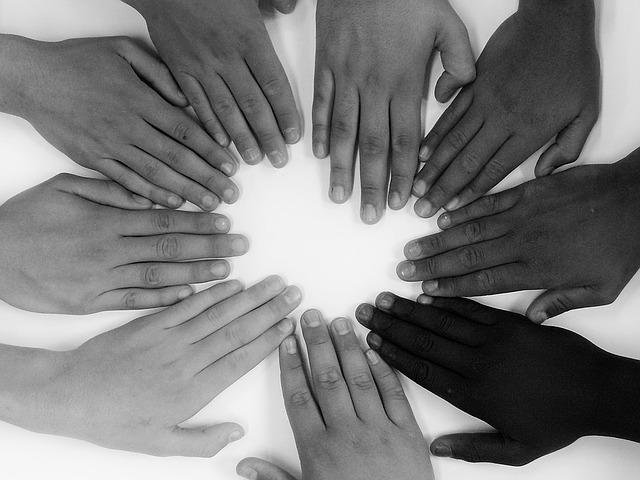
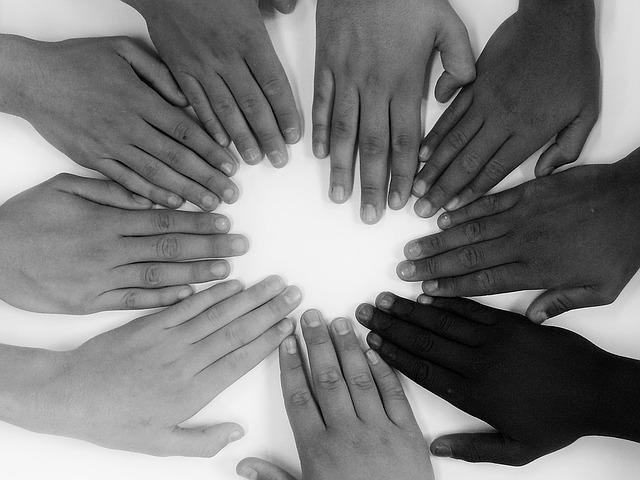
National integration is the consciousness of a shared identity among a nation’s citizens; in other words, it’s the realization that, despite our differences in caste, religion, and language, we are all part of the same country.

It is not merely a national sentiment; rather, it is a spirit that unites individuals of diverse dialects and religious convictions for a shared goal.

The main goal of national integration is to improve the living conditions of citizens. As a result, kids can grow as individuals in every way. Additionally, it helps to unite a multiracial and multilingual nation like India, whose citizens have different cultures and traditions. Additionally, it strengthens the bonds of brotherhood among individuals, groups, and society.

Additionally, contributing to a nation’s overall development and stability is national integration. It encourages the development of intercommunal peace and opposes casteism, regionalism, linguism, etc. The sense of nationalism and brotherhood is enhanced by national integration. In the event of a national emergency, it unites the populace.

Nigeria is a tremendously ethnically and religiously diverse country with many different languages and traditions. Nigeria is a varied country; hence, many policies have been implemented by successive administrations to solve the issues brought on by the various cultures while preserving the country’s stability and unity..

The population, government, and economy have benefited in some ways from these various policies and programs. It is impossible to overstate the significance of national integration in Nigeria. The significance of national integration in Nigeria will be covered in this essay.

Importance of National Integration in Nigeria

1. It aids tourism (both local and international)

Since the beginning, tourism has played a significant supporting role in national integration. Understanding such a big country through tourism can help everyone feel more united.

Understanding one another’s traits and issues lead to the development of similar emotions, ideas, and attitudes. Understanding the country’s culture, industrial and economic development, and new facets of development are all made easier through tourism.

Our sense of national identity gives us the impression of a successful and powerful nation, and it helps us live in harmony and love with one another.

2. Fostering Social Harmony

The promotion of social peace is one goal of national integration in Nigeria. Nigerians benefit from the many social policies and programs of government administrations, regardless of their state of origin, socioeconomic status, religion, political leanings, or other characteristics they may possess.

As a result, Nigerians can benefit from equal possibilities devoid of social exclusion, strengthening the social connection and sense of community among the people.

Examples of how social harmony is promoted in Nigeria include the National Youth Service (NYSC) program, the unitary school system of education, and the protection of fundamental human rights, among others, as neither privileges nor stereotypes serve as the foundation for citizens to benefit from these policies or programs.

3. The development of a common language

With over 520 languages spoken by the indigenous ethnic groups in Nigeria, using English as the primary language has many advantages. The English language acts as a real tool for effective communication between the various linguistic groups as well as the administration because none of the indigenous languages of the nation have attained broad domination.

Nigeria’s educational system uses English as its primary language of instruction, which improves functional literacy, which in turn promotes socioeconomic, political, and religious stability as well as more integration.

The English language also allows Nigeria and Nigerians to participate in world politics, sports, the arts, trade, and other activities because no indigenous language has advanced to an international level.

4. It strengthens Nigeria’s stability and unity

National integration helps to bring together people of many races, castes, creeds, and ideologies and unites the nation as a whole. It makes the nation stronger and more formidable on the global stage.

Unity is essential to ensure Nigeria’s continuing prosperity because the nation-state is so diverse. It is impossible to emphasize the value of unity. There are many negative effects left behind when a unified state dissolves, such as the 30 month civil war in Nigeria, which resulted in millions of fatalities, mass migration, destruction of infrastructure, and loss of physical and social capital.

In order to achieve this, a number of policies and programs have worked to encourage coexistence, lessen the likelihood of internal strife, and boost economic development and progress at the national level. For instance, the unitary educational system allows young Nigerians to study alongside pupils from other regions of the nation, which fosters a sense of nationalism from an early age.

Nigeria has been able to attain unity in diversity to a large extent because of national integration policies and programs, notwithstanding the occasional occurrence of internal disputes.

5. Encourages Loyalty to the Country

National integration encourages a citizen’s allegiance to the nation. It helps get people to work together and put the country’s growth ahead of their own small problems.

6. It facilitates economic growth

A house divided against itself cannot stand, according to a proverb. This is especially true for a culture with such diversity as Nigeria’s.

It will be unlikely to see reasonable economic progress if there are ongoing internal conflicts like militancy, riots, sabotage, and ethno-religious crises. For instance, the country experienced a drop in foreign exchange and an unfavorable economic climate for investment in the delta during the period of increased insurgency in the Niger Delta, when oil installations and expatriates were targeted by numerous militant groups.

On the other hand, when there is a degree of peace and stability in the nation, economic activity is seamless and foreign investors are more likely to make investments because they feel their money is safe.

7. It is advocates for an equitable distribution of resources

Socio-economic infrastructures must be distributed fairly across this varied nation’s numerous federating units to ensure fairness and equity. The Federal Character Commission aims to make sure that each administration’s economic and social infrastructure serves every region of the country. The availability of these social and economic infrastructures has a beneficial effect on economic development and growth. Equitable distribution of the nation’s infrastructure—including ports, bridges, hospitals, roads, and electricity—provides the fundamental support for growth and development.

8. Fair representation is promoted in appointive positions

The federal character concept, a national integration policy, aims to guarantee that the makeup of the government of the Federation reflects the diversity of the nation, which is made up of over 250 ethnic groups, 36 states, and 6 geopolitical zones.

In order to achieve this, appointment positions within the government would reflect the diversity of the country and prevent the domination of people from a single or small number of ethnic groups and states. As a result, a variety of people make up the government’s ministries, departments, and agencies.

Numerous initiatives aimed at establishing national integration have been launched since Nigeria gained independence. The Nigerian Constitution, the National Youth Service Corps (NYSC) program, the establishment of states, the Federal Character Principle, the unitary educational system, and the adoption of a federal system of government are a few of these.

Due to issues like bad administration, theft of tax money, wasteful use of public funds, corruption, and the high rates of poverty and unemployment, these efforts have mainly fallen short of achieving the objectives of national integration.

Some suggested approaches to achieving sustainable national integration in Nigeria include visionary leadership; the development of a national image; effective social studies instruction at the primary and junior secondary levels of education; and the allocation of national resources to crucial areas like job creation, poverty alleviation, social security programs, etc.

Conclusion

National integration is crucial for a nation since it has frequently happened throughout human history for a nation’s integrity to be in jeopardy. It has faced significant internal obstacles as well as being attacked from outside. Consequently, the formation of a nation depends greatly on national integration. It is preserving it in history through consistent development.

No related posts.

18th July 2022 0 comments
0 FacebookTwitterPinterestLinkedinWhatsappTelegramEmail
8 Importance of contentment in Nigeria
General

8 Significance of contentment in Nigeria

by Abbey 18th July 2022
written by Abbey

Having contentment implies being happy with who you are, where you are, and what you have. It demonstrates respect for present-day realities. It involves appreciating what you already have and your current situation. Having contentment does not imply that you have no desires; rather, it simply implies that you are happy with the way things are right now and have faith that things will work out for the best in the future.

Consumerism appears to have undermined the value of contentment in Nigeria. The majority of individuals in society believe that happiness can only be attained once certain goals and aspirations have been achieved. This is uncommon because most people still lack fulfillment even after crossing things off their bucket lists.

Happiness, however, is not based on the accumulation of material goods in a satisfied community. Instead, it comes from being appreciative of the moment. The importance of contentment in Nigerian society will be highlighted in this post.

Importance and significance of contentment in Nigerian society

1. Reduce evils and vices

In our society, one of the main reason why people engage in acts such as money ritual stems from the fact that they are contented with what they have and are not ready to put in the work to achieve that they desire.

The lack of patience and contentment among the youths has led a lot of people to acts such as romance scams where they try to talk a foreigner into sending them money.

There is also a spate of increase in violent acts like robbery, thuggery and corruption all of which stem from the fact that people are not contented with the fruits of their labor and what to take what belongs to someone else.

2. Peace of mind

Peace of mind in general is contentment. We are in a frame of mind that encourages self-improvement. This merely indicates that you are content with your present. It does not preclude you from having ambitions and desires. You can be thankful for your achievements and still wish for a brighter future.

Motivating yourself toward a brighter future will be challenging if you aren’t content with who you have become and all of your past accomplishments. When you are content, you might feel at ease with yourself and your environment. You approach everything with an optimistic outlook. Being content allows you to dream more peacefully rather than making you tired of dreaming.

3. Help to create a distinction between wants and needs

In an economic sense, desires are something you might want but are able to live without. Contrarily, your needs are essential and vital to your survival. If you’re not happy with your life, you may become fixated on accumulating material possessions that you don’t really need.

This can occasionally result in more debt, longer workweeks, larger loans, and a variety of other issues. However, if society’s members are comfortable with their lot in life, they will be able to live happy, healthy lives independent of material goods. Therefore, things with a direct use value would receive limited resources.

4. It inspires simplicity in the public

Members of a contented community are able to distinguish between their wants and necessities. As a result, society’s members are freed from the stress and strain that come with having more and more materialistic stuff. Thus, society promotes simplicity. As a result, society’s citizens will learn how to be content without relying on accumulating more stuff or success.

This is not to say that contentment is the absence of desire; rather, it is the satisfaction of one’s current circumstances while holding out hope for better things.

5. Strong human relationships are fostered

People are continually competing to be the best at everything because society lacks satisfaction. This makes people desire the best things in life, such as larger homes, luxurious cars, well-paying jobs, etc. Although this desire is not terrible, most people fulfill it at the expense of their interpersonal connections.

In order to accomplish this, people frequently work longer hours, which reduces their time with family and friends. Additionally, most people borrow more money to finance their aspirations for materialism. This causes debt levels to rise, which typically leads to stress, despair, bad moods, and other psychological issues that interfere with social interaction.

However, when society cultivates contentment, individuals will be able to distinguish between their needs and wants and devote limited resources to items of high utility. As a result, people will have more time to spend with their loved ones, and psychosocial issues related to consumerism will not arise.

People will be able to accept each other for who they are. A person’s possessions or lack thereof won’t have an impact on relationships, which will flourish spontaneously.

6. It helps to promote happiness

Allowing yourself to be content indicates that you are content with the present. It demonstrates your gratitude for whatever you’ve accomplished, no matter how little or how much. And by accepting that you can wait till you can do something within your means for those things you need or want, you may be pleased with the present.

So even if your wishes haven’t been satiated, you can still be happy. This improves your attitude to life and has a beneficial influence on your neighborhood. And if society is content, there will be a significant ripple effect, resulting in genuine happiness everywhere.

7. Contentment means people are less greedy

Being ambitious is not a problem. It is quite OK to want the best things in life. However, unrestrained greed can result from ambition. Greed is the strong desire to enrich oneself at the expense of others, to put it simply. It’s a negative quality. Some people use dishonest methods, such as internet fraud, theft, simony, hoarding of materials, misappropriation of public finances, and more, to accomplish their goals.

In a culture that values serenity, avarice is frowned upon. People are happy with the things they own and have. People are also aware of their goals and requirements. They are aware that material wealth or professional success are not prerequisites for genuine pleasure. They also respect the mental tranquility that satisfaction offers. These characteristics of a content society make it challenging for greed to flourish.

8. Helps to nurture a healthy lifestyle

You are free from problems that are harmful to your health when you are content. As was mentioned before in this essay, most people finance their lack of contentment by taking on more debt and putting in more labor.

Stress, depression, and other health issues have all been linked to higher debt levels. On the other hand, working long hours has negative consequences for a person’s loved ones as well. However, people will be able to live more healthy and happy lives in a society that is content.

The cultivation of contentment promotes happiness, encourages growth on the inside, and strengthens bonds between people.

Damages from Dissatisfaction

The main causes of discontentment include envy, comparison, restlessness, despair, and violence. Discontentment causes permanent scars on your soul and might occasionally cause irreversible harm to your life.

Lust for money, material pleasure, fame, prestige, and power is the root of discontentment. Rivalry, resentment, greed, covetousness, and jealousy are the outcomes. There is fierce competition everywhere, whether it is in the workplace, the family, or the classroom. Nobody is happy with their current situation. The importance of self-sufficiency has decreased.
Have we ever considered the benefits we receive from these things? Do these emotions or actions serve our interests? If the response is “no,” then why not practice being content?

Conclusion

Being conscious of our sufficiency and realizing that we have enough and are enough leads to contentment. You are liberated from the tug of desire and lust. You have faith in life to provide for your needs at the appropriate time. You feel content with the way things are. Being happy does not prevent you from achieving your goals or derail your mission. It is a position from which to look forward with a calm heart and gratitude for everything that has already happened and will yet happen.

No related posts.

18th July 2022 0 comments
0 FacebookTwitterPinterestLinkedinWhatsappTelegramEmail
importance of popular participation in nigeria

7 Core importance of popular participation in Nigeria

by Abbey 19th July 2022
written by Abbey

Popular participation is the willingness and active involvement of the people in the conduct of the affairs of their state at the community, local, state, and federal level.

Citizens are in a position to share their opinions and ambitions, voice disapproval, and make demands of the government and other institutions thanks to popular involvement. In order to eliminate social exclusion and prejudice, as well as to advance accountability, citizens can influence politicians’ decisions by proactively participating in the participatory process.

Importance of popular participation in Nigeria

1. It improves openness

As public process, popular participation holds decision-makers accountable. The community has a right to transparency in decision-making and should believe that their opinions were heard. Additionally, it allows community members the chance to comprehend how a viewpoint or requirement that is distinct from their own had to be met, as well as improves their comprehension and acceptance of a final choice or result.

The public’s perception of an endeavor you are spearheading can be significantly improved by knowing that all suggestions and inputs have been fairly considered and taken into account. We can strengthen democracy and make sure that people have a say over the decisions that affect their daily lives by involving all stakeholders in public policy projects, including local governments and organizations, businesses, residents, and communities.

2. Your effort will function more effectively with widespread support

Participating the public in a project might help you find obstacles that would otherwise cause it to take longer than expected and cost more money. You may make sure that the project goes smoothly and that the budget is used properly by doing an ongoing assessment of the community’s requirements, priorities, and key stakeholders. When your plan, resources, and budget are determined, complaints and objections that could otherwise hinder your project can be recognized, handled, and catered for.

3. Increase the sense of ownership within the community

Members of the community possess extensive local knowledge as well as technical, historical, scientific, and cultural insights. Public decision-makers are more knowledgeable, self-assured, and capable of meeting all demands when these perspectives are shared and taken into consideration.

Increased community confidence in institutions of governance and decision-making results in better public decisions. Establishing open lines of communication between your company and the neighborhood will also increase the demand for your services and make people feel as though they contributed to the success.

4. Promotes the participation of marginalized citizens in democratic processes

Citizens have a voice when they participate in decision-making processes and may express their own wants and goals. A diversified viewpoint on a policy or project will enable unheard voices or the marginalized to be heard, preventing the loudest voice or the strongest opinion from influencing the decision-making process.

Policymakers may make better decisions – without being influenced by the loudest voice in the room – when civic initiatives and needs are gathered from a diversified sample pool. When a varied representation of the needs and ambitions of the public is obtained, the ultimate choice of policies or projects is improved.

5. Can help to foster social change via group demonstrations

Demonstrations against constituted authorities in Nigeria have existed since the colonial era because of unfavorable policies or legislation. In order to promote social change in Nigeria, citizen protests such boycotts, sit-ins, and other types of protest have been documented. The Aba women’s riot in 1929 was the first known instance of a public protest in Nigeria. The riot was caused by colonial officials’ imposition of taxes on women.

Madame Olunfunmilayo Ransome-Kuti led 10,000 women in a demonstration against Oba Sir Ladapo Ademola II, the Alake of Egbaland, in 1947, 18 years after the Aba Women’s Riot, after their group’s requests for the repeal of the tax on women and other issues were not met. Before the colonial governments were forced to repeal the tax regulations, these women occupied the area around the palace for days. On January 3, 1949, the Alake of Egbaland abdicated the throne for the same reason.

Segun Okeowo, the National President of the Nigerian Union of Students at the time, organized Nigerian tertiary students across the country in 1978 to protest the hike in meal tickets with the slogan “Ali Must Go.” Other major protests when Nigerians turn out in large numbers to voice their disapproval over unfavorable government decisions, laws, policies, and acts include the Anti-SAP Riots, June 12 Protest, Occupy Nigeria, and End SARS.

The protests forced governments and other entities to modify or abandon their unfavorable policies and actions. Unfortunately, the majority of these protests resulted in several deaths at the hands of the military and police.

6. Promotes policymakers’ accountability

Participation by the public encourages state actors to be accountable for citizen-related issues. Citizens can demand accountability from public institutions by organizing a front. Therefore, popular engagement encourages governmental entities to be more accountable, ensuring that decisions are made for the benefit of all citizens and facilitating citizens’ access to redress procedures.

Through community monitoring, citizen report cards, social audits, and public expenditure tracking surveys, citizens can take part in demanding accountability from other actors and stakeholders. Additionally, the administration of public finances is strengthened when citizens are involved in the planning, carrying out, and supporting of processes like participatory budgeting, specific-budget monitoring, and participatory audits.

7. Helps to  choose elective officials who represent the people

Nigeria is a democracy; therefore, selecting the individuals who hold elective offices depends on public engagement. This is made possible by voting, which is widely acknowledged as the most popular form of popular engagement. Voting presents a fantastic opportunity for individuals to select candidates that are judged accountable because the idea of popular participation advocates that citizens should be able to influence decisions that concern them both individually and collectively.

And if the elected officials don’t do a good job, the people can elect new ones in the next election by not voting for them. In order to prevent electing dubious state actors due to low voter turnout, it is essential for people of voting age to actively participate in electoral democracy.

There will soon be an election; participate by supporting a candidate, contributing to their campaign, and casting your ballot. You can run for office if you believe you can make the desired change with more efficiency as a policymaker. Increased voter participation will significantly lessen election-related violence, ballot snatching, vote-buying, and suppression by bad actors.

There are specific conditions that must be met for public participation to produce the best results. A solid organizational foundation, citizen initiative autonomy in local decision-making, a productive information network, and material and technical support are a few of these. Without a structured environment, popular engagement will be ineffective. If there is no established basis for public participation, citizens will be vulnerable to manipulation by dishonest elements. The existence of an organizational structure can act as motivation and give citizens the knowledge and abilities they need to participate in the participatory process.

A thorough and effective information network is also essential for enhancing the effectiveness of public engagement. The population won’t have the necessary incentive to effectively participate in popular participation when there is a shortage of information about events in the nation. Furthermore, it is unlikely that their participation in the participatory process will be meaningful or logical if they do so in the dark.

The information required to promote effective popular participation consists of three types of information: normative information that calls for citizens to commit to policies of change and development; administrative information that enables citizens to jointly plan their community engagement activities; and technical information that encourages citizens to acquire the skills and competence necessary to handle development programs.

No related posts.

19th July 2022 0 comments
0 FacebookTwitterPinterestLinkedinWhatsappTelegramEmail
Significance of June 12 in Nigerian History
General

4 crucial Significance of June 12 in Nigerian History

by Abbey 19th July 2022
written by Abbey

Up to June 6, 2018, when it was proclaimed that June 12 would be the new Democracy Day, replacing May 29—which had traditionally been observed as Democracy Day—June 12 was a regular day. But what is really important is what that day stands for, not the day the event is commemorated.

June 12 marks what is still regarded as Nigeria’s most democratic and free election, and it stands for much more than May 29 did. Due to their participation in the End SARS protests, the “coconut head” generation will now be able to relate to the June 12 fights better. They will connect more with June 12 as a result of this involvement, as will the older generation. It is safe to say that June 12 and the wins it brought about were not the results of a peaceful agreement because they were achieved with “Sorrow, Tears, and Blood.”

However, it is important to remember that before the Federal Government led by President Buhari proclaimed June 12 as the new democracy day on June 6, 2018, it was previously observed as “Abiola Day” in some southwestern states of Nigeria.
Nigerians commemorate June 12 as Democracy Day. Every year on May 29, Democracy Day is formally observed.

President Muhammadu Buhari chose to move Democracy Day from January 25 to June 12 in 2018.

In the history of Nigeria, June 12 is of great significance. On this date, Nigeria held its first presidential elections since the military coup of 1983. The entire purpose of June 12 is to serve as a reminder to Nigerians of the traps of the past, the mistakes of the present, and the necessity of defending democratic norms. If we fail to see democracy as a form of government that satisfies the needs of the populace, the significance of June 12 will be lost.

What actually happened on June 12, 1993?

On June 12, 1993, Nigeria held its first presidential elections since the Second Republic was overthrown by a military coup in 1983. The military dictator, Ibrahim Badamasi Babangida, oversaw a transition to civilian control that led to the elections (IBB). Although the National Electoral Commission (NEC) has not officially announced the election results, the unofficial results showed that Bashir Tofa of the National Republican Convention lost to Moshood Kashimawo Olawale Abiola of the Social Democratic Party (SDP) (NRC).

Due to IBB’s annulment of the elections due to electoral irregularities, the election’s winner was never announced. An unpopular interim civilian government and protests over the annulment ultimately resulted in the continuation of military rule in the nation, with Sani Abacha becoming the military head of state through a bloodless coup later that year.

The election of June 12, 1993

Two political parties competed for control on June 12, 1993. One was the Social Democratic Party, which ran Chief Moshood Kashimawo Olawale Abiola (MKO) and Babagana Kingibe as its presidential candidates. Nigerians, who were already weary of military rule, turned out in large numbers to cast their presidential ballots on that day, inclement weather and all. They disregarded religion. They disregarded social standing and class. They shared a single objective. To choose their president, that was going to make their lives better.

Following the elections, Chief Moshood Kashimawo Olawale Abiola was widely considered to have won after defeating Bashir Tofa of the National Republican Convention (NRC), and Nigerians awaited the results with impatience and eagerness. According to the unofficial results, which were not yet certified by the National Electoral Commission (NEC), Chief Moshood Kashimawo Olawale Abiola was already declared the winner of the election.

Much to the chagrin of the populace, General Ibrahim Babangida, the military leader in office, annulled the election. He insisted there were irregularities in the election.

The Electoral Aftermath of June 12, 1993

Chaos followed the June 12, 1993, election’s annulment. Pro-democracy activists and other Nigerians who were protesting were killed extrajudicially as a result of the protests. Security personnel with guns murdered them. As a result, General Ibrahim Babangida, the military president, and Generals Olusegun Obasanjo and Muhammadu Buhari, along with ten other former generals who were members of the Association for Democracy and Good Governance, released a united statement calling for his ouster.
After the election was declared invalid in July 1993, there was intense unrest in the Southwest. The annulment was criticized by people from all around the world. Additionally, it caused the United States and the United Kingdom to stop providing help to Nigeria.

Many people had to move across the country as a result of these murders. Media outlets were shut down by the government, and journalists were even detained. Additionally, they issued a decree that barred any legal action pertaining to the election’s annulment. General Ibrahim Babangida gave power to an interim administration led by Chief Ernest Shonekan before being compelled to resign. But this particular arrangement by General Ibrahim Babangida, who transferred authority to Chief Ernest Shonekan, didn’t survive since General Shonekan was overthrown and replaced by the late General Sani Abacha.

In 1994, Chief Moshood Kashimawo Olawale Abiola proclaimed himself the nation’s leader and commander in chief. He was later detained and imprisoned after being charged with treason. Workers in a number of industries, including banking, higher education, and the petroleum sector, staged demonstrations and went on strike in response to his imprisonment. Nine weeks passed during this strike. It had a significant detrimental impact on the economy.

In June 1998, General Sani Abacha passed away. In July of the same year, Chief Moshood Kashimawo Olawale Abiola also passed away under suspicious circumstances. General Sani Abacha passed away, and General Abdulsalami Abubakar became the new leader.

Significance of June 12 in Nigerian History

1. The transfer of power from one civil administration to another

One of the advantages of the June 12 battle has been the ability to switch from one civilian government to the next since 1999 without the use of military force. Up until this year, when President Muhammadu Buhari signed a legislation declaring June 12 as Nigeria’s new Democracy Day, we had been commemorating this democracy on May 29 every year.

Nigeria’s democracy has not experienced any sort of military intervention since May 29, 1999. Nigeria has alternated between Democratic and civilian governments. This is undoubtedly one of the advantages of the conflict of June 12, 1993. There hasn’t been a single military disruption since 1999.

2. Admitting defeat after a loss

Another result of this democracy is that Goodluck Jonathan, the current president at the time, lost a general election in 2015 and declared defeat.

3. More freedom of speech than under military control

Nigerians have also enjoyed greater freedom of speech than was possible under the military, except for the odd violations by certain overzealous security personnel. If we as citizens don’t view democracy as a form of government that satisfies the needs of the people, the significance of June 12 won’t be realized. Regular elections, a return to civil liberties and journalistic freedom, as well as an end to wrongful detention and torture, were all brought about by the end of military rule.

4. Citizen Revolution

The election of June 12 symbolizes the revolution of Nigerian citizens in recent history. As evidenced by Chief MKO’s victory, Nigerians are more interested in having a true leader and what he stands for. Even though the election’s victor passed away, he left us with important democratic lessons.

Because Abiola insisted on his mandate, we today experience democracy. If he hadn’t gone through all the battles, Obasanjo would not have become President and we most likely would have been under military rule.

What June 12 means in today’s Nigeria

Prior to today, the southwestern states observed June 12 as Abiola Day to recall the difficulties of the 1993 election and how the area was disenfranchised. The date of Nigeria’s Democracy Day was changed to June 12 by President Muhammadu Buhari on June 6, 2018. This was because of  Chief Moshood Abiola’s passing away during the fight to bring back democracy in Nigeria,

Conclusion

If we fail to see democracy as a form of government that satisfies the needs of the populace, the significance of June 12 will be lost. Our election results must reflect the will of the people. Our leaders must respect the integrity of the voting process. Rigging shouldn’t be possible.

Our political decisions shouldn’t be unduly influenced by money. Voters ought to support candidates for office who prioritize the needs of the nation and regard leadership as a public duty. The President should start reforming our political and electoral processes. He needs to enact the Electoral Act Amendment Bill as the first step.

No related posts.

19th July 2022 0 comments
0 FacebookTwitterPinterestLinkedinWhatsappTelegramEmail
Importance of political parties in Nigeria
General

14 Importance of political parties in Nigeria

by Abbey 19th July 2022
written by Abbey

Numerous political parties are running for office in Nigeria. The existence of a political party is beneficial for the country. It gives them the option to make a more intelligent and sensible choice. Additionally, it encourages rival political parties to improve in order to triumph in elections and rule the country.

In Nigeria, political parties are essential. Party members gather with shared objectives to discuss politics. They support and advance democracy’s goals. The development of political leaders is another duty of political parties.

Political parties are crucial to the functioning of the entire governmental system; their significance cannot be overemphasized. One of the most reliable indicators of a successful transition to democracy is the existence of political parties in every given country. In actuality, it is hard to envision democracy without political parties. They serve as the impetus for all actions taken by the government.

Importance of political parties in Nigeria

1. Create balance

The political party with the highest number of members elected to office is seen as the most powerful. Being in the majority in the government enables the party to focus the government’s attention on issues that are crucial to the party’s agenda. The opposition party works hard to criticize and limit the majority party.

The party in power passes a lot of laws. The ruling party may need to come to an agreement with the minority before passing a measure, depending on how strong the minority party is. By doing this, the opposition party is ensuring the wellbeing of its supporters. A comparable equilibrium exists when the president and the majority of Congress are members of opposite political parties.

2. Political parties can very well influence public opinion

Political parties form, shape, and coordinate public opinion in every form of government. They also assist in raising political awareness among ordinary people, who would not otherwise have the leisure to read about and learn about national issues. Political parties employ public rallies, meetings, and news conferences to voice their thoughts on important issues in an effort to connect with the public.

The state of the nation’s economy, society, and politics are made known to the general public. The right to vote is made known to the entire population. This enables regular people to express their opinions on the benefits and drawbacks of various important issues. Public opinion on important issues is organized and formed as a result of this process. These events assist regular citizens who would not otherwise have much time to devote to politics in learning about various aspects of the fundamental issues involved in government.

Political parties assist in preserving political stability in a number of ways, including by uniting, streamlining, and stabilizing the nation’s political system. Political parties work to pacify the fracturing forces and promote cohesion by incorporating the unstable aspects of localism, regionalism, sectionalism, interests, and geographical conditions into their party doctrine.

“Interest aggregation” is essentially the responsibility of political parties. In addition, political parties play a significant role in maintaining stability in a democracy through their participation in the legislature. The majority party heads the government, and the opposition is made up of minor parties.

3. Political parties guarantee civil liberties

Political parties in Nigeria give people the freedom to vote and run for office. These so-called political rights enable citizens to take part in national political processes. Political parties grant voters the political right to choose the best candidates for office and the electoral right to run for office.

4. Political decisions in Nigeria are determined by political parties

The primary political decisions made in Nigeria are heavily influenced by the political parties. They choose the caliber of representatives or candidates that Nigerians will be asked to vote for and ultimately choose to fill positions of authority. Political decisions in Nigeria are decided by political parties, which choose the candidates who will represent them at the polls.

In other words, Nigerians would only cast their votes for candidates proposed by the political parties. This enormous burden falls on political parties.

5. Parties in politics present suitable representatives to the public

Nigerian political parties offer the people of Nigeria competent representatives. The representative would then be chosen by the people in turn. This typically occurs during election polling every four years. Typically, these candidates or representatives are political party members. During elections, voters cast ballots for the political party or representative of their choice.

6. Help to formulate public policies

Political parties play a role in shaping and influencing public and governmental policy in Nigeria. Citizens cast their votes for the political parties of their choice in every election. Government and public policy are consequently influenced by this.

The political policies carried out by the party should be in the best interests of the people who elected the party in a circumstance where the citizens choose a political party of their choice to represent them in the government. The goal of these policies should be to improve the nation’s status.

7. Political parties create an environment that is conducive to politics

Political parties in Nigeria create an environment that encourages individual initiative and free enterprise, which in turn promotes economic progress and national growth. They make sure that there is no violence involved in political activity. They made particular arrangements to guarantee a favorable political climate.

8. They help in choosing leaders

The main objective of any political party is to enlist individuals of character, letters, action, and leadership and to equip them for upcoming elections. Because it is these party members who spread the party’s philosophy, engage in contentious discussions, and organize gatherings and news conferences to win over the public,
These are the same individuals who support democracy by running for office and, if elected, forming governments. These public representatives should be aware of the expectations of the broader public and develop public policy accordingly. Parties may only grow in popularity and significance through their leaders.

9. Good government is ensured by political parties

The burden of providing the people with effective governance falls on political parties. They make sure that excellent people, whether at the state, local, or federal levels, are in charge of Nigeria’s inhabitants.

10. Political parties inform and educate the public

Political parties in Nigeria educate and teach the populace about their objectives and those of the ruling party. Parties make sure that the public is politically aware and that they are aware of the political party’s and the government’s beliefs. Bringing the party closer to the public is one of the primary goals of political parties in today’s democracies.

11. The Welfare of Citizens is Improved by Political Parties

Political parties facilitate access to employment prospects for those at the grassroots level. They improve societal well-being and ensure that everyone has access to the necessities of life.

They make sure that not only people in urban areas but also people in rural areas who would not typically have access to these amenities are provided with them, including good roads, reliable power supply, employment, stable running water, good schools, and good hospitals with adequate medical equipment and facilities. Political parties contribute to the improvement of the general welfare of the populace by offering competent leaders.

12. Political parties support the legislature

Any given nation’s parliament, let’s say Nigeria’s, is supported by political parties. They are in charge of gathering the citizens’ representatives. The representatives of the political parties in the congress are chosen by the electoral authorities. The party with the majority of votes wins the majority in Parliament, and the party with the minority of votes becomes the opposition. This opposing group always scrutinizes what the governing group does.

13. The link between the government and the people is provided by political parties

Political parties in Nigeria act as a conduit between the executive branch and the populace. They act as intermediaries.

14. Political parties advocate patriotism and unity as their primary tenets

Nigerian political parties advocate for the nation’s fundamental values of patriotism and unity. They promote unity and align everyone’s interests. While a nation’s population may be divided by regional, religious, or even national issues, they are tied together by political parties, which foster nationalism and solidarity.

The Independent National Electoral Commission (INEC) and political parties collaborate to make sure that the election’s procedures are carried out in a proper, free, and fair way. They follow the timeline INEC gives them to conduct their primaries.
In order to guarantee electoral integrity, political parties serve as election observers.

No related posts.

19th July 2022 0 comments
0 FacebookTwitterPinterestLinkedinWhatsappTelegramEmail
10 Importance of Oral Tradition in Nigeria’s History
General

10 Importance of Oral Tradition in Nigeria’s History

by Abbey 20th July 2022
written by Abbey

Despite the fact that some cultures value written records more than other cultures, oral tradition is important in all communities. These customs provide explanations for how things are and, frequently, how they ought to be. They also help people to educate the next generation and impart valuable lessons about the past and about life.

Oral traditions can be just as trustworthy as other non-oral methods of preserving and transmitting knowledge because many of them are highly organized and are told faithfully without alteration. Despite the fact that oral traditions might differ from teller to teller, variances are just as subject to disagreement as recorded narratives are. Thus, even if minor aspects of the story alter, the power of oral tradition can endure over the ages.

One of the earliest writings from Nigeria is the oral traditions. It involves a way of communicating amongst people in which information, artistic concepts, and cultural artifacts are acquired, preserved, and passed down orally from one generation to the next. In Nigeria, oral tradition has been crucial in maintaining and disseminating historical knowledge and has served a variety of purposes. The majority of the time, this historical knowledge is passed down orally and through songs, ballads, folktales, prose, chants, and melodies. The significance of oral tradition in Nigeria’s history will be examined in this article.

Those who transmit oral tradition in a family.

In Africa, everyone is involved in the tradition’s transmission, especially if it has an impact on the education of the youth. The immediate family participates in the information transfer process just as much as griots, who are true experts in their field, storytellers, singers, or African writers who have attempted to incorporate tradition into their works on occasion in the past.

The parents

In Africa, it is very common for the mother to raise the girl and the father to raise the son. In some cultures, the boy’s uterine uncle has a greater influence on his upbringing than his father. In comparison to his father, he is more open and eager to engage in conversation with him.

The young boy who goes to the farm with his father or uncle, the young girl who helps her mother, who goes to the well with her, receives not only technical instruction but also all possible information about the natural habitat or the social life, with the task they are working on or the contacts they make along the way serving as the pretext.

The grandparents

It is their duty to pass down the tradition to future generations in accordance with the knowledge gained through experience and also based on their availability. They are present everywhere as significant instructional agents in disciplines not directly related to the economy, particularly in oral education.

Their contribution to the social integration plan is not in any way minimal. Between the past and the present, they serve as a hyphen. The young child frequently lives with them after being weaned or when, at age 4, he starts to notice objects and ask questions.

Contrary to the relationship a child has with his parents, one observes that the one he has with his grandparents is marked by a sense of equality, complicity, implicit alliance, and a predisposition to joke.

In the oral transfer of knowledge, the grandmother is the most skilled. In fact, the grandmother is the “human library” in every society because of her enormous tolerance and wealth of life experience. She holds a position of choice in the preservation of traditional values. In traditional Africa, the grandmother was the only person openly permitted to discuss sex with the children. Those individuals took advantage of the opportunity to ask a variety of questions.

It is crucial to remember that in Africa, any elderly person, whether or not he is the insider’s grandparent, might interfere with the transmission of a custom. Older individuals are available resources who can use their expertise and memory to aid in the education of young people after they are relieved of their daily responsibilities.

Importance of oral tradition in Nigeria

1. Historical events were transmitted via oral tradition

Before the written word was invented, stories were used to pass down historical events from one generation to the next. People used narratives to preserve their historical past. Every society has a historical and cultural legacy that its members cherish. These are passed down orally through the storytelling tradition. This shared body of knowledge not only discusses daily occurrences but also passes down, from generation to generation, the history of individuals and cultures.

Storytelling was employed back then to educate people, preserve oral history, and spread cultural norms in Nigerian civilizations because there was no civil schooling available. Since most people in the period had no knowledge of writing, storytelling was employed as an oral form of dialogue. Making sure historical events are recorded and passed down from generation to generation has been made possible in large part through oral tradition.

2. Oral tradition is a medium of education

Storytelling, an oral tradition, was once used by parents to educate their children or as a means of community participation. Most nights, farmers who had spent the day working on the farms would unwind and begin telling their kids stories. These tales all had moral teachings in one form or another. Parents used this medium to impart respect, moral ideals, social conventions, and information about the people’s history and culture. Children are taught a variety of locations, names, and sites and their purposes, as well as a list of previous kings.

3. The identity of the people was preserved through oral tradition

People’s identities were retained through the channel of oral tradition. Storytelling was intended to help children comprehend specific knowledge about their culture and origins. Oral tradition was employed in both formal and informal contexts to pass down certain cultural norms, protecting the actual identity of the people and passing them down to subsequent generations.

4. The promotion of listening skills was done orally.

Oral tradition in the form of storytelling was employed in preliterate Nigerian civilizations to foster listening skills in young Nigerians. Oral inscriptions in the form of stories were passed down to young children by their parents, grandparents, and other senior family members. By honing their listening skills and learning about their heritage, young children were able to learn how to obey orders from their elders. The elders’ wisdom, expertise, and strength were demonstrated through storytelling for the older listeners. These specific collections of tales were occasionally merged into proverbs, which are succinct, excellent sayings that convey a conviction or piece of advice.

5. Oral tradition influenced the way of life in the community

After the day’s work, people used to congregate in the village square every evening in Nigerian communities at that time, especially in the rural areas. They would assemble to enjoy music, dances, and spectacular stories that took on different personas. This unique oral tradition takes the shape of a folktale and has a distinctive element that combines singing, acting, dancing, and music. This is crucial to Nigerians’ sense of community and shows how they live in a collective manner.

The history of the Nigerian people was preserved through these folktales, and people gained a lot of knowledge from them. Folktales served as a symbol of society’s values.

6. People’s history is made available to them by oral tradition

Oral traditions were easily comprehended by all people in pre-literate Nigeria. Because all that was necessary was to listen, it was convenient for both the educated and the illiterate. Oral tradition serves as a useful method of knowledge transmission since it is in a language that is universally understood.

7. The reconstruction of history is aided by oral tradition

Written sources provide evidence from oral traditions. Oral tradition serves as the basis for many historical sources. Multiple sources are necessary to tell a story. Oral tradition filled the gap by offering this proof.

8. Oral tradition is easily accessible

Oral tradition provides access to information about cultural ideas as well as other historical artifacts. There were narrators in practically every area. Anyone looking for information might easily get in touch with those who were actually involved to learn more firsthand. As long as the material is accessible, anyone looking for historical or genealogical data can easily obtain it.

9. Oral tradition is a cheap method of knowledge transmission

The best advantage of oral tradition is that it is the cheapest and, presumably, least expensive method of knowledge transmission.

The elderly were always prepared to offer free information. This lowers the cost of this source. It was not a perk for grandparents to read books to their grandchildren.

10. First-hand information is provided by oral tradition

The people who were present when the event occurred gave the information included in the oral tradition. The initial sources were typically a variety of people who shared stories orally through folktales and other oral traditions. In other words, all of the information was collected directly.

Oral tradition attempts to fill the gaps left by other historical sources. The knowledge gap that might have been left by other information sources is filled by oral tradition.

No related posts.

20th July 2022 0 comments
0 FacebookTwitterPinterestLinkedinWhatsappTelegramEmail
importance of festivals in Nigeria
Business

7 importance of festivals in Nigeria

by Abbey 20th July 2022
written by Abbey

Festivals are a creative way to honor illustrious traditions, culture, and heritage. They are intended to celebrate significant events and feelings in our lives with the people we love. They are crucial in giving our social lives shape and in keeping us connected to our roots and family.

They provide us with a diversion from the monotonous daily grind of life and some motivation to keep in mind the significant events and times. The purpose of festivals is to transmit myths, information, and customs to future generations.

Nigerian festivals promote social and economic advancement. There are a number of activities at every festival that draw visitors. These activities highlight the diverse cultural background of the local population. The significance of festivals in Nigeria will be thoroughly covered in this article.

Reasons why festivals are important in Nigeria

1. Family unity

Festivals enable the entire family to come together and honor a shared ideal. All members of the family work together to prepare meals at home, which strengthens their bonds. Both children and parents have time to assist one another in home decoration, food preparation, gift-making, etc.

Children might strengthen their bonds with their family as a result. Children can interact and form relationships with their grandparents, cousins, and other family members.

2. Having similar values

Festivals also involve sharing and giving gifts. Children are taught to share joy during holidays through the gift-exchange custom. Children spread the holiday cheer by giving gifts and treats to family and friends.

Children learn to share and care for those who would not be able to celebrate holidays without their assistance when they donate or give gifts to the less fortunate. Through this, they learn the value of kindness and humility. They also learn to express gratitude for their blessings.

3. Festivals foster cultural fusion and promote culture and heritage.

Festivals are a wonderful way to learn about one’s heritage and culture. People are supposed to learn more about their culture, cultural standards, and traditions during Nigerian festivals. Additionally, they learn more about their nation. They learn about their origins as a result of this. They learn to be proud of their heritage and nation as a result of this. They became more nationalistic as a result.

During festivals, older generations in rural villages narrate historical tales to the younger generation. These tales aid in their understanding of and appreciation of the significance of observing these festivals for many years. Festivals ensure that a particular group of people’s culture is promoted and presented to the world. During festivals, the way of life and beliefs of the populace are highlighted. Festivals promote cultural integration through enhancing cultural preservation.

4. It boosts the economy

Festivals generate financial contributions. The fact that people spend money when attending festivals is one way that they help the economy. Additionally, citizens band together to create cooperatives and save money. All of these aid in the start-up of development projects.

People frequently use money they have accumulated over time during festivals. We all understand that spending money is essential to the growth of any economy. People spend a lot of money on things like clothing, shoes, and home goods.
Festivals draw people who are willing to spend money, which in turn boosts the local economy both on and off the festival grounds.

They spend money on parking, entrance, food, beverages, and even the selling of trinkets at the festival. They spend money outside of the festival settings as well, which brings in money for the neighborhood. The money they spend outside of their base includes what they pay at a local gas station; what they pay at a souvenir shop to buy gifts; what they pay at a restaurant to eat; what they pay at the local markets to buy other items they’ll need while they’re there; and what they pay when they carry those items back to their base. All of these things contribute to greatly strengthening the economy.

5. Provides jobs

A lot of job opportunities are created during festivals. Even the unorganized labor class benefits from it since jobs are created. Even craftspeople are included.
People in the neighborhood can get temporary or long-term work at festivals. Working individuals are more able to battle poverty. People’s quality of life will thereby be dramatically raised. Festivals enhance the social and economic conditions of the populace by providing jobs for those living in the areas.

Jobs like construction, painting, and decorating could potentially become available. Community activities are getting a boost from the younger generation. There is a significant influx of people into the neighborhood during festivals. To sell mementos, food, beverages, clothing, and other accessories, people set up shops. People can also find temporary employment during the festivals, such as professional dancers, tour guides, swimming coaches, photographers, and so forth.

6. It provides social benefits for our lives

The fact that festivals enhance people’s social lives is another benefit of festivals in Nigeria. At festivals, people have the chance to meet people from other tribes and locations. Festivals in a local community draw guests from all walks of life. Then, the visitors establish connections with the locals. The connections made could be quite significant for both the host communities and the tourists.

Additionally, festivals offer people the chance to let go of all their troubles and rejoice in the good things in life. It brings people together and gives them the chance to develop loving, peaceful relationships. It lessens hostility among family members and friends. To make a festival succeed, everyone puts their differences aside.

Festivals bring together individuals from all socioeconomic, religious, and racial backgrounds. Individuals make new friends and meet new people at festivals. People have the chance to observe emerging talents and even foreign performers. All of these are essential for developing a nation.

Festivals are a source of entertainment as well. New talents are displayed at festivals since there are frequently talent searches for the next great thing. Feelings of social togetherness are considerably enhanced by festivals. They concentrate on issues of a cultural or ethnic nature and work to educate the local populace about their customs. The community’s elders offer their knowledge of historical events and personal anecdotes. They also provide a kind of model for keeping families united.

7. Boosts tourism

Festivals are used to promote tourism in Nigeria. The events’ schedule invites visitors to visit the towns during festive occasions. The possibility of contact with residents of the neighborhood is provided by this specific act for the tourists. They frequently learn more about the inhabitants’ way of life. They take in the atmosphere of the surroundings as well. They get knowledge about the people’s culture and traditions. Tourism and visitor attractions are improved during festivals. Tourism contributes to economic development since social and commercial activities are increasing.

Additionally, local businesses debut new products during festivals in order to increase sales due to the presence of tourists in the area. Due to the influx of tourists during festivals, new businesses feel comfortable entering the market. The rate of sales of products and services increased as a result.

12 benefits of festivals to people

1. keeps us more connected to our tradition and religion.
2. It encourages harmony
3. Festival celebrations improve societal harmony by communicating the message of the previous generations to the present and future.
4. We learn about several religions.
5. maintain our culture and heritage.
6. It allows for a special chance to come together and spend time with family, friends, and the community.
7. Stress relief from a busy work season gives us a chance to depart from our regular routine and enjoy a colorful experience.
8. A gathering of friends and family
9. It reduces life’s monotony.
10. Since many of our festivities entail preparing and giving special contributions to the underprivileged, they also provide joy to us.
11. The sharing of ideas and festivities between cultures.
12. They create social connections and channels of communication that foster intergroup harmony.

No related posts.

20th July 2022 0 comments
0 FacebookTwitterPinterestLinkedinWhatsappTelegramEmail
importance of kinship in Nigeria
General

12 importance of kinship in Nigeria

by Abbey 20th July 2022
written by Abbey

One of the most crucial social organizing factors is kinship. This is prevalent throughout society, whether you look at it from East to West or North to South. This social institution creates a connection and builds a bond between individuals and groups.
Marriage and reproduction are the most fundamental kinds of bonds.

The term “kinship” refers to a group of connections and links that are founded on blood ties (consanguineous marriage) or marriage (affinal).

In Nigeria, kinship plays a multiple role in the social structure. The value of kinship is evident at family gatherings and throughout marriage. Kinship styles are the behaviors, attitudes, and beliefs of members of society. It is impossible to undervalue or ignore the value of kinship in Nigeria.

Types of Kinship

Kinship is founded on two major factors.

1. Birth (Blood connections)

This kinship is based on blood relationships, including those between parents and children and between close siblings. It is thought to be the fundamental and common factor in all interactions.

2. Marriage

Marriage serves as the foundation for the last line of kinship. The fundamental kin relations are those that exist between a husband and wife.

The purposes of kinship

1. Kinship establishes rules for interpersonal interactions. Between a father and daughter, a brother and a sister, etc., it establishes the right, acceptable roles to play.
2.  Family line ties are determined by kinship.
3.  Kinship determines relationships that are prohibited by marriage.
4. Kinship enables us to ascertain the members’ rights and obligations in all sacraments and religious rituals, from birth to death.
5. The kinship system promotes family unity.
6.  Kinship relationships determine the legal status of the family and marriage, the mode of production, and the distribution of political power in rural and tribal civilizations.
7. Kinship regulates the behavior of various kin through its many applications.
8. Kinship aids in classifying kin of different categories, such as classificatory and descriptive, through the use of kinship terminology.
9. Kinship produces unique kin groups through the ways it is used.
10. The power dynamics between kins are governed by kinship laws.
11. Kinship controls social behavior.

Importance of kinship in Nigeria

1. Kinship defines relationships and assigns rules for personal interactions

There are rules for how individuals should interact in Nigeria. Such rules and proper duties are assigned by kinship for interpersonal interactions. It outlines the rational and believable function of the interaction between family members.

Father and son relationships; father and daughter ties; mother and son relationships; mother and daughter relationships; brother and sister relationships; and other family relationships are all influenced by kinship. The right manner for family members to interact with one another is brought about by kinship.

The system of production and political power, as well as the rights and obligations of the family and marriage, are all determined by kinship.
In Nigeria, kinship plays an important role in determining the duties and rights of the family. This frequently happens in rural and tribal areas.
Marriage rights and political power obligations are also defined by kinship. Additionally, it establishes the rights and obligations of the production system. These all take place within the family.

2. Kinship determines who is eligible to marry whom and where marriage is prohibited

In Nigeria, kinship is significant since it establishes who a person can marry and who they shouldn’t. Kinship also dictates where one should marry from and where one shouldn’t.
When a location issues a decree prohibiting marriage, such a marital union is viewed as improper. There would be no option but to comply. Kinship makes the decision on marriage.

3. Kinship helps in specific classifications

Kinship aids in the classification and naming of many forms of kin in Nigeria. Some terms inside the kinship system lead to this classification. These kinship terminologies allow for the identification, categorization, and description of various kin groups.
Kinship preserves unity in relationships.

4. Helps in Solidarity

The maintenance of ties’ sense of solidarity is another crucial aspect of kinship in Nigeria. The majority of the time, family members within the same family enjoy such strong bonds. The father, mother, kids, and any other family members present all take pleasure in this unity.

5. Kinship determines family line relationships

Relationships and familial lines are defined in Nigeria in this way. Depending on the family at issue, a relationship within that family may be close or distant. As a result, the Nigerian kinship system can function in a way that allows for the identification of family line links.

6. Kinship Controls Social Life

The role of kinship in Nigeria as a social life regulator is another benefit of kinship. Social life is regulated in practically all societies, Nigeria included. The ability to regulate social life is only made possible by kinship.

7. They create special groupings of kins

One of the many benefits of kinship in Nigeria is the formation of assemblages of kin through its practice. The grouping of kin can be formed by utilizing kinship in several ways. As a result, the use of kinship results in the formation of unique groupings of kin.

8. Helps to regulate behavior

Another significant function of kinship in Nigeria is to control the behavior of various relatives. In other words, kinship regulates how members of the same kin behave.

9. Kinship regulates land ownership, the concept of wealth, and the production system

One of the many benefits of kinship in Nigeria is that it affects who owns land, what wealth is, how it is produced, and how it is used. Other facets of kinship within the Nigerian family are influenced by kinship as well. Land ownership within the family is one of these kinship facets. It also affects how money is thought of and how different family members use it.

10. Regulates roles among kins

One of the primary functions of kinship in Nigeria is to regulate the role of ties between kins. There are some rules in kinship, and these norms have a way of affecting or influencing the function of connections within the family.
There will be a kinship rule that governs the role of the relationship with the family among many kins.

11. Kinship assists in establishing the rights and obligations of members of religious practices

In Nigeria, kinship influences how each member of a religious group is expected to behave in terms of rights, obligations, and religious activities. The rights of the people, as well as their duties and obligations, are determined by their kinship.
Who belongs to or partakes in religious rituals and sacraments is also determined by kinship. All of these start at the moment of birth and continue until the person dies.

12. In Nigeria, kinship gives its members a sense of protection

They usually control the traditions surrounding marriage and everything else. Kinship enables people to stick together during trying times. In any society, kinship serves to strengthen community cohesion if there is one thing it can be said to do.

When residents of a rural area commit a crime, their kinship influences how severely they will be punished. Community members become closer to one another through kinship. It works to foster a sense of community among its members. Family customs are established in part through kinship. It explains inheritance in a familial context.

Summary of the importance of kinship in Nigeria

1. It keeps relationships cohesive, harmonious, and cooperative.
2. Kinship establishes rules for interpersonal relations and communication.
3. Helps to clarify who you can marry.
4. Different kin’s behaviors are controlled by kinship.
5. Kinship serves as a social life’s watchdog.
6. Kinship specifies the roles and responsibilities of the family, marriage, and the systems of production and power in tribal or rural societies.
7. It aids in improving understanding of interpersonal relationships.
8. It fosters development and improves interpersonal relationships in society.

No related posts.

20th July 2022 0 comments
0 FacebookTwitterPinterestLinkedinWhatsappTelegramEmail
importance of Cooperative Societies in Nigeria
Business

19 core importance of Cooperative Societies in Nigeria

by Abbey 21st July 2022
written by Abbey

People choose to join a cooperative for a variety of reasons. The motivations always revolve around resolving issues, from looking for better value for money to seeking a group of like-minded people to assist with certain requirements. This essay outlines the benefits of joining one and how it can advance both your financial and personal development.

In Nigeria, cooperative groups are significant in a number of ways. Cooperative societies, which are made up of like-minded individuals, are set up to address both the problems that their members share and those of society as a whole. The value of cooperative organizations cannot be overstated, from the empowerment of their members to their ability to advance the interests of society on particular topics. Learn about the significance of cooperative societies in Nigeria from this article.

Importance of cooperative societies in Nigeria

1. They encourage joint entrepreneurship

In addition to lowering individual risk in commercial operations, cooperatives foster a culture of shared production, decision-making, and problem-solving. According to statistics, 60 to 80 percent of enterprises fail, but just 10 percent of cooperatives do.

2. They foster competition

Cooperatives aids businesses in competing with big, national stores. These cooperatives also benefit their members because of pricing adjustments. This forces rival organizations to compete effectively.

3. Helps to fight inflation

Cooperative societies, or “cooperatives” as they are often known, aid in the fight against inflation in Nigeria. They result in lower product pricing. These cooperative organizations purchase products at factory rates directly from the producers and then resell them to the members at a fair discount from the price attained on the open market.

Cooperative societies sell the products they purchase from producers at a set, fixed price. They are in charge of how many products are sold at once as well. By doing this, they make these commodities easily accessible to the cooperative society’s members at a discounted price, enabling the members to both afford and receive them. This action has a significant anti-inflationary impact in Nigeria.

4. Teaching morality

Industrial workers in developing nations engage in a variety of immortalized activities. These ordinary folks can learn how to live morally in both their personal and professional lives by joining a cooperative organization.

5. Skill improvement

Cooperative societies implement numerous beneficial activities with the goal of enhancing both the members and society. As a result, they might be the nation’s most competent and effective labor force.

6. Cultivating saving habits

Cooperative societies encourage the lower class members of society to become curious about money, which has a significant positive effect on the entire nation.

7. Reducing intermediary misconduct

Due to a lack of skills, small producers in our nation knock on the doors of middlemen to gather the necessary ingredients and sell the goods. As a result, they sell their goods to the intermediaries for less money than they would otherwise. Cooperative societies act firmly to eradicate this type of wrongdoing.

8. Cooperative Societies Assist In Improving Quality Of Life

Cooperative societies are significant in Nigeria because they raise citizens’ standards of living. It contributes to lowering poverty. Cooperative societies help their members and employees have better social and economic lives, which helps to eliminate poverty.

They give money to members who are truly in need. Members typically turn a profit when they sell the commodities they purchase from the cooperative group. Their lives are improved by the profit they receive. They enhance the general living circumstances of both their employees and members.

9. They provide employment

Numerous cooperative organizations in Nigeria offer their members a platform to find jobs. By giving their members the tools they need to launch their own enterprises, they open up employment prospects. They also give their members the opportunity to share in production and profit. Additionally, cooperative organizations offer ways for members to participate directly in the manufacture and distribution of goods and services. Cooperative societies provide jobs in this way.

They offer either long-term or short-term work to young people who are present in their operational area. Additionally, students who are on break have the chance to work on a contract basis. This in turn aids in lowering Nigeria’s unemployment rate.

10. Poverty reduction

By raising awareness and launching a movement among the low-income members of society, we can end poverty among these large populations. The operation of such a campaign is greatly aided by cooperative society.

11. Low-interest loans are provided by cooperative societies

Cooperative societies increase credit accessibility in Nigeria, where it already exists. Due to the requirement for collateral and the ensuing paperwork, obtaining a loan from another financial institution, such as a bank, may be more difficult. On the other hand, cooperative societies offer comparatively low-interest loans to their members with the support of other members who act as guarantors. They offer loans to members in the form of cash or products. The well-being of the populace is subsequently improved as a result of this.

12. Cooperative societies promote social and economic development on a national scale

Cooperative societies encourage citizen participation and a more equitable distribution of the benefits of globalization in this regard. Cooperatives also contribute to the sustainable development of people. They also support efforts to combat social isolation. Cooperative societies play a significant role in both national and social development as a result.

13. Cooperative organizations Ensure Food Security

Farmers are able to obtain larger profits thanks to agricultural cooperative societies. They assist their members by offering assistance, financing, and training. In order to grow, the members won’t necessarily need to look to international organizations. These cooperative organizations ensure that even the most underprivileged populations with limited resources have access to the resources they require, resulting in enormous volumes of produced and maximized profits. In turn, this fosters food security for the entire country.

14. Gender equality is promoted by cooperative societies.

Cooperative societies, which uphold the idea of open membership for people of all genders, support gender equality. They provide a platform for women to pursue their goals. Women who join cooperative societies make more money and participate in cutting-edge work activities. They also increase local community participation and empowerment. Currently, a sizable portion of cooperative society members are women. Governments and cooperative groups both support having women in positions of leadership in order to advance gender equality.

15. Cooperative organizations help to develop local expertise

Cooperative societies, which are governed by members of the community, aid in the development of regional expertise. Local natives deliver the required services, circulate the necessary funds, and even contribute to the expansion of the community.

16. They help to foster Unity

Cooperative societies are important in Nigeria because they foster solidarity. Regardless of social class, members of cooperative organizations collaborate with one another for the sake of the nation. People from all walks of life who have a common objective are brought together by it.

17. Help to reduce unequal wealth distribution

Cooperative societies have several benefits, one of which is that they contribute to a reduction in wealth inequality. They work to reduce capitalism, which exacerbates wealth disparity, to make it possible for wealth to be distributed fairly.

18. Training programs are provided by cooperative societies.

Cooperative societies organize workshops, seminars, and courses to provide training programs for new and untrained members. The participants in these training programs learn a range of talents, including ICT training, baking, furniture making, catering, sewing, make-up, website design, event decorations, repairs, hair styling, creative design, and more.

19. Help to fill certain needs in the society

They supply the fundamental infrastructure that big businesses are unable to do. In rural places, they also provide food and essential supplies. Rural communities also benefit from the cooperative societies’ commercial transactions’ profits.

No related posts.

21st July 2022 0 comments
0 FacebookTwitterPinterestLinkedinWhatsappTelegramEmail
importance of animal husbandry in nigeria
Agriculture

10 Importance of Animal Husbandry in Nigeria

by Abbey 22nd July 2022
written by Abbey

Selective breeding and keeping livestock are considered to be parts of animal husbandry. The genetic characteristics and behavior of animals are developed further for economic gain through management and care. A significant portion of farmers rely on animal husbandry as their primary source of income.

We receive a wide range of highly nutritious food products from animals. As a result, they need a lot of care and consideration.

Commercial animal breeding is done in order to provide for the increased demand for food. Goat, buffalo, and cow dairy products are excellent sources of protein. Since they give us milk, these creatures are referred to as milch animals.

Animal husbandry is highly valued in Nigeria and is essential to many facets of the country’s economy. Animal husbandry, or the practice of raising cattle for commercial purposes, enhances Nigerians’ quality of life, contributes to environmental sustainability, produces clothing, and stimulates the nation’s economy.

Importance of Animal Husbandry

1. Manure

Animal bones, blood, and excreta are all utilized to make manure. To boost agricultural production and yields, manure is applied to the fields. Additionally, it can be used as floor and wall plaster and as firewood.

Animal waste, including excrement, bones, and blood, is utilized as manure to improve soil fertility in addition to serving as a source of food and clothing. This manure is applied to farms in order to boost agricultural yields and productivity. Additionally, the manure produced by the animal remains and dung is utilized as firewood. As they are put to use, this helps with proper animal waste disposal. Manure improves the soil and fertilizes it to boost harvest output. Cooking is done with the fuel obtained from the manure.

2. Food security is ensured by animal slavery

In Nigeria, animals are raised and bred to produce a wide range of food items. These foods are very nutrient-dense. To accommodate the nation’s enormous need for food, they are raised for commercial use. Animals like goats and cows provide the milk and cheese that we consume. We get milk and other dairy products from raising animals. Along with fish, they also give us meat and eggs. is the practice of raising and breeding animals for use as food. By doing this, hunger and malnutrition are reduced.

Food security is aided by animal husbandry because it produces dairy, meat, eggs, and seafood. Cross-breeding aids in creating breeds of animals that produce a lot of offspring. In turn, productivity rises.

Dairy products Milk, butter, curd, cream, yogurt, and cheese are among the dairy products that are produced as a result of the rearing of animals like cows, sheep, and goats.

3. Meat

Meat is obtained from farm animals and livestock such as pigs, cows, goats, buffaloes, chickens, ducks, oxen, lambs, and turkeys, among others. Hence, animal husbandry, which is the rearing and breeding of animals, also supplies meat. Animals are the main source of meat in Nigeria.

4. Eggs

We receive eggs from animal husbandry, which are a good source of protein. Additionally, farm animals, including poultry birds like hens, geese, and ducks, are raised for their eggs.

5. Seafood

The majority of the seafood we eat comes from breeding and growing marine animals. Fish, crabs, prawns, crayfish, snails, oysters, lobsters, and other shellfish are examples of this. These aquatic creatures are important providers of protein, fatty acids, omega-3 fatty acids, and vitamin D.

6. Land Management

Sometimes, grazing livestock slows the spread of weeds on agricultural land. Goats and sheep consume the dry plants in locations that are vulnerable to wildfires, lowering the risk of a fire.

The benefit of animal husbandry to land management cannot be over-emphasized. Battle grazes the field to prevent the spread of undesirable vegetation, sometimes known as weeds. Livestock like cows, goats, and sheep eat these plants, such as dry bushes, that are present in places that are vulnerable to wildfire. This action encourages proper land management by lowering the risk of wildlife.

In this sense, livestock are also used to manage and keep an eye on the development of weeds on the ground. Cattle are an essential part of land management when you let them roam free and eat the weeds.

7. Clothing

Animal husbandry contributes to the provision of clothing for the populace. Raising livestock and agricultural animals also provides clothing in addition to food. Animals provide the raw materials for clothing, including wool, hide, and skin. In other words, livestock aid in defending people against cold weather as well as other environmental factors.

Leather is produced by processing hide and skin, which is obtained from the hides of animals like camels. Leather is used to make shoes, belts, and jackets made of leather.

Additionally, sheep’s wool is utilized to make shawls and sweaters. Sheep are raised not only for their meat but also for their wool.

Wool and leather are two examples of the textiles or fibers that animals can create. For instance, camels may produce leather while sheep are raised for their leather.

8. Animals help to do work around the farm

Another potential source of animal labor and power is the upbringing and breeding of animals. These animals, such as donkeys, horses, bulls, and others, are employed for military purposes as well as for the transportation of people and goods, for plowing fields, and for other tasks.

Source of employment

Animal farmers and poultry farmers are among the many people that are currently employed in Nigeria’s animal husbandry industry. Regardless of the scale at which these farmers operate, animal husbandry has been a significant source of employment for many Nigerian communities. Since farmers typically rely on their ability to raise animals for a living, this enhances their overall standard of living.

As was already mentioned, when people work in the animal husbandry industry, their standard of living improves since Nigerian butchers, herders, and marketers profit greatly from it.

9. Raw materials for industries

It is well-known that certain raw materials obtained from dead or slaughtered animals, like horns, bones, and animal fat, among others, are used in the pharmaceutical industry as well as other manufacturing industries.

Animal husbandry aids farmers in reducing and preventing uncontrolled breeding. It aids in preventing unchecked reproduction.

10. The National Economy is Boosted by Animal Husbandry

When animal husbandry is practiced commercially, as it typically is, it helps to strengthen and expand the country’s economy. Animal and cattle products are shipped to other nations. This raises the nation’s rate of revenue creation. In a similar vein, the exportation of raw commodities derived from animals results in a significant gain in foreign exchange for the nation.

Nigeria is well-known for exporting skins and hides, as well as Moroccan leather, which is made from the skin of the Red Sokoto goat species.

Types of Animal Husbandry

1. Poultry farming

Raising domesticated birds, such as chickens, turkeys, ducks, and geese, for their meat and eggs is a type of animal husbandry. To produce healthy, wholesome food from poultry, large-scale farming is carried out in an atmosphere free of disease. Since animals or birds produce a lot of bodily waste, maintaining sanitation and cleanliness is crucial while raising poultry. Additionally, the feces are utilized to make soil fertilizers or manure. Huge numbers of people can find work in poultry production, which benefits their economy, particularly farmers.

2. Production of milk

It belongs to a category of agriculture where milk is produced over an extended period of time and sold after being processed. By managing dairy animals like sheep, goats, buffaloes, and cows, different products can be produced, including curd, yogurt, cheese, butter, and cream. These livestocks are referred to as milch animals.

For dairy production, healthy animals are chosen, and they undergo routine checks for both their physical and mental health. Animals are milked manually or by machines, then properly preserved so that they can be used industrially and sold.

3. Pisciculture (Aquatic Agriculture)

Pisciculture, aquaculture, or fish farming are different names for aquatic farming, which is one of the main categories of animal husbandry and involves the controlled and enclosed rearing of fish and other marine animals like prawns. It is raised in confined aquatic environments, including ponds, open nets, cages, and tanks. Fast, disease-free upbringing is made possible by it, as is commercial supply.

The two types of fish farming that are currently used are extensive aquaculture and intense aquaculture, where the former is based on local photosynthetic production and the latter is based on an external source of food for aquatic animals.

4. Apiculture (Beekeeping)

The term “apiculture” refers to the activity of raising bees, and it is derived from the Latin word “apis,” which means “bee.” Honey bees must be managed and cared for in order to produce honey and wax. Honey has amazing medicinal powers that help treat coughs, sore throats, digestive issues, ulcers, blood sugar regulation, and ulcers. Apiculture ensures a secure environment for the bees to live and work. Because they help pollinate our food sources, bees are important to us as well. With bee farming in operation, it offers a setting for researching their habitat and behavior.

No related posts.

22nd July 2022 0 comments
0 FacebookTwitterPinterestLinkedinWhatsappTelegramEmail
Newer Posts
Older Posts
  • NABTEB
  • Business
  • Rankings
  • Higher Edu
  • Govt. Agencies
  • University
  • Schools
  • Federal
  • Celebs & Net-Worth
  • Private
  • Sports
  • Military
  • Agriculture
  • Financial
  • Relationship
  • Banks
  • World
  • Uncategorised
  • Audit & Fintech
  • scam
  • Telecom
  • MTN
  • Glo
  • How To
  • Army, Navy, Police & Air
  • Admission
  • Customs, EFCC, NDLEA, & others
  • JAMB
  • General
Info, Guides, and How-tos.
  • Home
  • 100% Free CBT Tests
  • YouTube
  • General
  • World
  • Admission
    • NABTEB
    • JAMB
    • IJMB
  • University
    • Private
    • Federal
  • Telecom
    • MTN
    • Glo
  • Military
    • Army, Navy, Police & Air
    • Customs, EFCC, NDLEA, & others
  • Financial
    • Audit & Fintech
    • Banks
  • Home
  • About
  • Contact Us
  • Privacy policy

@2024 - All Right Reserved.


Back To Top