Info, Guides, and How-tos.
  • Home
  • 100% Free CBT Tests
  • YouTube
  • General
  • World
  • Admission
    • NABTEB
    • JAMB
    • IJMB
  • University
    • Private
    • Federal
  • Telecom
    • MTN
    • Glo
  • Military
    • Army, Navy, Police & Air
    • Customs, EFCC, NDLEA, & others
  • Financial
    • Audit & Fintech
    • Banks
  • Home
  • About
  • Contact Us
  • Privacy policy
Info, Guides, and How-tos.
SUBSCRIBE
  • Home
  • 100% Free CBT Tests
  • YouTube
  • General
  • World
  • Admission
    • NABTEB
    • JAMB
    • IJMB
  • University
    • Private
    • Federal
  • Telecom
    • MTN
    • Glo
  • Military
    • Army, Navy, Police & Air
    • Customs, EFCC, NDLEA, & others
  • Financial
    • Audit & Fintech
    • Banks
Info, Guides, and How-tos.
  • Admission
Copyright 2024 - All Right Reserved
World

Is Africa warm? [Breaking down Africa’s Climate]

by Abbey 13th December 2021
written by Abbey

Climate is the average weather condition of a place over a long period. The climatic condition of the continent of Africa varies from one region to another, however, most of the continent lies within the tropics. Africa’s nearness to both the Atlantic Ocean and the Mediterranean Sea is a major influencing factor on the overall climatic conditions of the continent.

In Africa, urban areas tend to have a much higher temperature due to less wind and very low relative humidity. Rainfall as a climatic element is a major differentiating factor of the African climate.

Generally, most of Africa is located within the tropics, making it warm especially during the summer. The continent is subdivided into various tropical climates which include; Rainforest, Grassland, Semi-Arid, and desert. One-third of Africa’s landscape is dominated by deserts such as the Sahara Desert and the Kalahari Desert.

These deserts further exercise great influence on the overall weather condition of the continent. Notably, Ethiopia an African nation, has the highest annual average temperature which Is estimated at 33.9 degrees throughout the year.

General climatic conditions in different parts of Africa
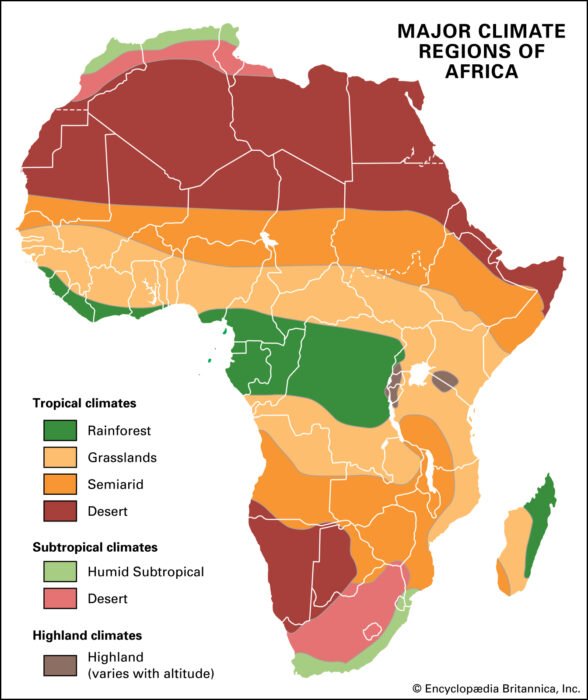
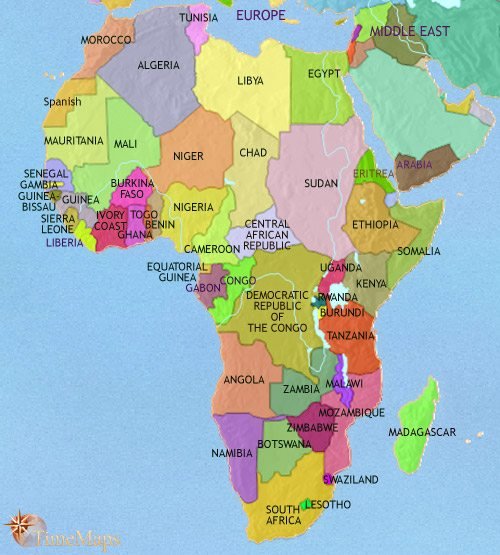
Climate Map of Africa

Climatic Map of Africa

Much of the African climate is dominated by desert conditions along its southern and northern ends. Central Africa on the other hand is wetter with grassland, rainforest, and semi-arid climatic conditions. West Africa has the tropical climate or the rainforest.

African climate is classified into tropical climates and subtropical climates. Tropical climates include; Rainforests, Savanna Grasslands, Semi-arid regions, and deserts, while the subtropical climate includes; Humid tropical and Desert climates.

Is Africa always warm?

Africa’s location in the tropics makes It warm and hot throughout the year. Notably, some parts of Africa experience an annual cold period which is referred to as the Harmattan period. The Harmattan period occurs between December to January, it is marked by dusty winds and low average daily temperature. When the world experiences winter, a gust of cold wind blows to Africa called the Harmattan.

The northernmost and southernmost fringes of the African continent have a Mediterranean climate in contrast to the rest of Africa.

Although climatic conditions in Africa vary between countries, altitudes, and seasons, it should be noted that most parts of Africa are warm and hot.

Is Africa getting warmer?

The most important issue of concern today is the issue of climate change. Rising sea levels, rising annual temperature and the melting of icebergs have caused considerable damages to the earth. The paradox of the climate change issue however is that although African countries have contributed lower to the global c02 emissions, they are disproportionally affected by its effect.

Since the early 1990s, the African continent has experienced temperature rises that are significantly higher than the global average. A study of Africa’s 30-year warming trends shows that Africa has remarkably warmed than the rest of the world in both ocean and land.

A report by the United Nations projected that the warming trends in the African continent will continue and will continue to experience increased temperature if nothing significant is done to control the causal factors.

Why is Africa so warm?

Africa is hot because most of the country lies within the Equatorial zone in between the tropics of Cancer and Capricorn making it the most tropical continent.

The intensity of sunlight coupled with its geolocation also makes Africa vulnerable to high temperatures. Despite this some parts of Africa are still cold, countries such as Lesotho, and some parts of South Africa experience very cold winter periods annually.

For Africa, the temperature difference is mostly a function of altitude, as places with higher altitudes experience a remarkable temperature variation.

Is South Africa warm? Understanding why south Africa is warm but also sees snow

South Africa has a temperature that is typical of countries in the Southern Hemisphere with warm temperatures throughout the year except for June – August.

During the June – August periods in South Africa, the temperature sometimes drops below freezing point. In South Africa snow is mostly a rare occurrence, and at least 5 snow periods have been experienced in South Africa, the most recent 07 August 2012.

Why is south Africa warmer than Australia?

On average, South Africa is not warmer than Australia. For example, when we compare Pretoria and Alice Springs which are located in the southern zone of both South Africa and Australia, Pretoria has a temperature of between 18-29 ° C, while Alice Springs has a much warmer temperature of 21-36 ° C during the summer. Therefore, the notion that South Africa is warmer than Australia is not true.
No related posts.

13th December 2021 0 comments
0 FacebookTwitterPinterestLinkedinWhatsappTelegramEmail
europe
World

Is Africa West of Europe? [Understanding their Connection]

by Abbey 13th December 2021
written by Abbey

Africa is a continent located in the Southern hemisphere covering about 30 million km2 of land or 20% of the total land area of the earth’s surface.

With a population of about 1.3 billion people according to the United Nations estimation, Africa is the second-largest continent by both population and land size, just after Asia. Africa also has a significant number of off-coast islands which include Madagascar (the largest island in the world), Seychelles, Socotra, Comoros, Mauritius, Reunion, Ascension, and tens of others.

The African continent is divided into two halves by the line of the equator, bringing most of Africa into the tropical region. The Prime meridian crosses the continent at Accra, Ghana due to the bulge caused by Western Africa.

Is Africa west of Europe?

Notably, Western European countries such a France, Germany, Belgium, etc. do not share land or sea borders with any African country. The Northern part of Africa is closer to Spain, Italy, and Greece, which are located in southwestern Europe.

Morocco in northern Africa is considered the gateway to Europe. In recent years, the Mediterranean sea region has become a hotbed of illegal migration into Europe.

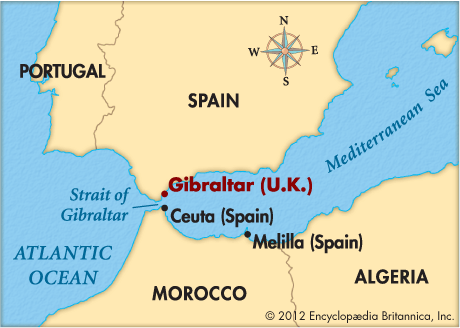
Spain is the closest European country to Africa; in fact, you can walk into Europe from Morocco because the Spanish cities of Cueto and Milla are located within the Africa continent.

Is West Africa part of Europe

Although the Western part of Africa has a vast history of European contact including years of colonization, the Western part of Africa is not European. The first West African contact with Europe was when the Portuguese first visited the region in 1413 and established several settlements.

West African countries established strong diplomatic and business relations with the Portuguese in those periods, however, the coming of other European powers such as the Dutch, French, English, Germain, and Swedish traders brought to halt the Portuguese hay day in western Africa, and ushered in the dark years of colonization and slavery, which remade the history, and culture of most West African countries, with Anglophone on one side and the francophone on the other end.

Is Africa in western Europe?

No. Africa is not Western Europe. Western European countries include:

  • Belgium.
  • France.
  • Ireland.
  • Luxembourg.
  • Monaco.
  • Netherlands.
  • United Kingdom.

Is Africa near Europe?

Spain which is a European country is very close to Africa. In fact, from Gibraltar in Morocco, you can view the southern part of Spain. Other African countries close to Europe include Tunisia, Algeria, Morocco, and Libya

It is projected that Africa and Europe will someday meet at the Strait of Gibraltar, which will pave way for an African connection to mainland Europe by land. In the past, the Mediterranean was said to have evaporated but was filled up again during a great flood that occurred 5.3 million years ago.

As a bonus, you can get into Spain directly by foot from Morocco without crossing any sea or canal. The Spanish cities of Cruella and Malila share a direct land border with Morocco.

Is Africa connected to Europe?

Yes, Africa and Europe are connected. The Connections between Europe and Africa are marked by several elements; Early years of Trade and Diplomacy, Colonization and Slavery, Geographic connections, and post-colonial connections.

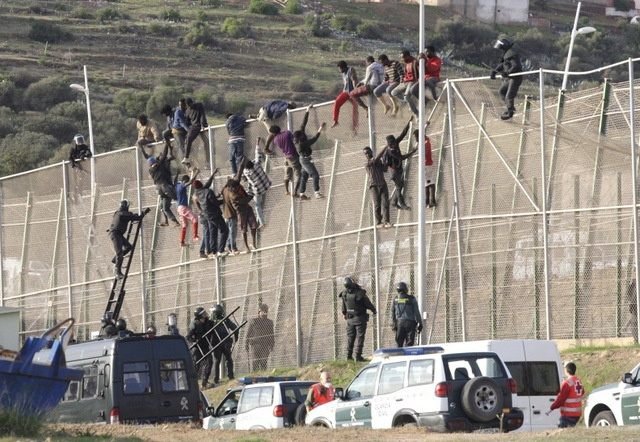
Immigrants crossing into Europe

Immigrants Crossing into Europe from Morocco.

Early Years of trade and diplomatic contacts

Africa had trade and diplomatic relations with Europe and indeed the rest of the world long before colonization. The Dutch are believed to be the first set of Europeans to establish contact with Africa in 1431. Soon, the Portuguese, Spanish, Germans, British, etc. began making moves to establish relations with Africa. In essence, the Dutch were the pioneers of the Euro-Africa connections.

Geographic connections

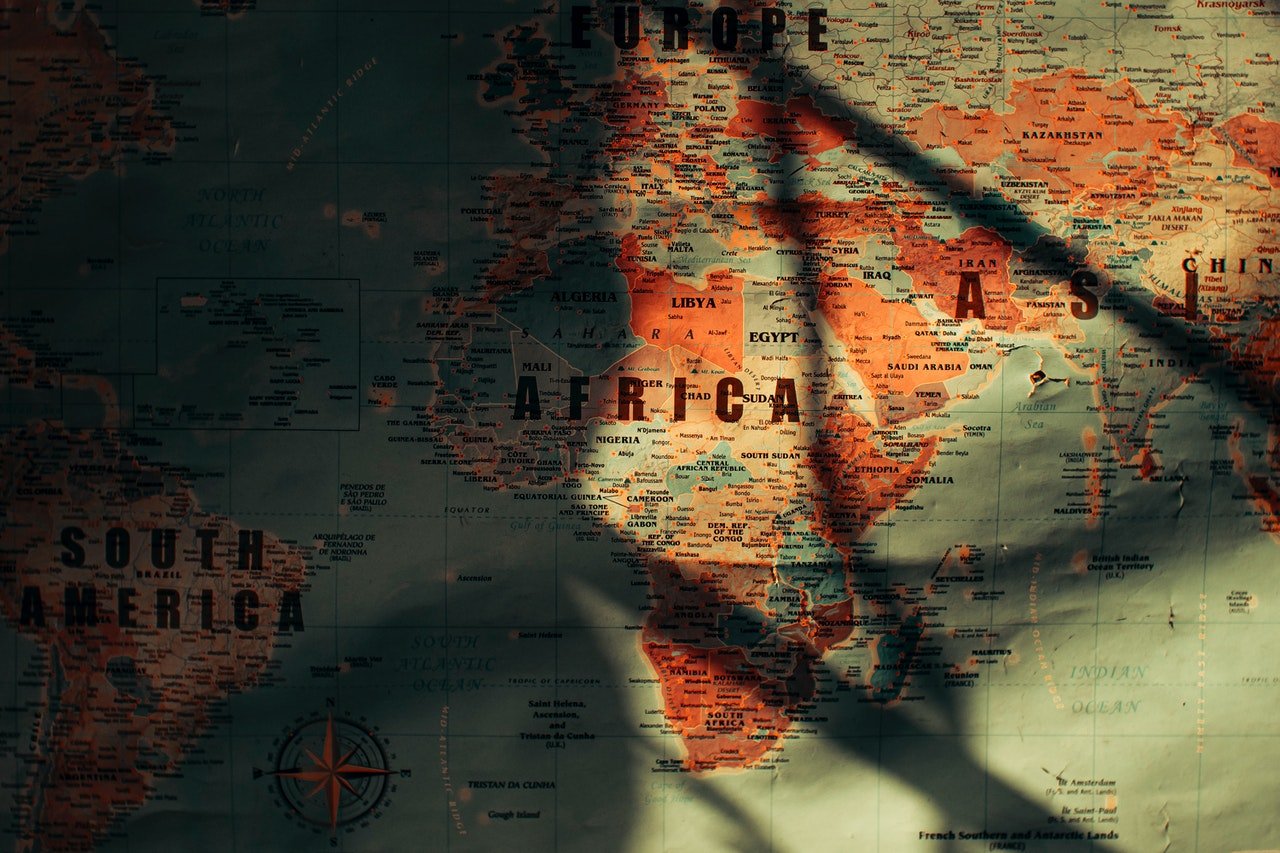
Africa’s Geographic connections with Europe

Geographically, Africa is connected to Europe by both land and sea. Northern African countries such as Tunisia, Libya, Algeria, and Morocco share a significant borderline with Europe.

Apart from land and sea connections, some European territories are located in mainland Africa. For example, Gibraltar is an European territories located in Africa.

Colonization and Slavery

Colonization and years of slavery established a significant connection between much of Africa and Europe. For example, there is a significant number of African populations in France, and Britain due to the years of slavery and immigration.

Post-colonial connections

Post-colonial Africa refers to the African society after years of colonization and slavery. Most Africans countries still maintain significant colonial legacies like language, the system of governance, the educational system, and other notable colonial legacies.

Most of Africa still depend on financial aids from Europe and America to run basics public infrastructures and public health system. During the Covid 19 pandemic, most African countries had to rely on the Covax vaccine alliance donations to get the Covid 19 vaccine.

Is Africa south of Europe?

Africa is located at the southwestern end of Europe sharing land and sea borders with Libya, Tunisia, Morocco, and Egypt. European countries located in Southwestern Europe are; Spain, Greece, Italy, Turkey, and Portugal.

Africa

No related posts.

13th December 2021 0 comments
0 FacebookTwitterPinterestLinkedinWhatsappTelegramEmail
World

why do foreigners come to Nigeria? (5 reasons why)

by Abraham Zamani 14th December 2021
written by Abraham Zamani

There are so many reasons foreigners come to Nigeria. Nigeria is the most populous black nation in Africa, and the 7th most populated country in the world with more than 200 million people. Nigeria is projected to reach 400 million by 2050.

Over five hundred languages are spoken in Nigeria which some people find very intriguing. With its abundant resources and wildlife reserve, Nigeria is a light that draws people closer to herself. Foreigners come to Nigeria to work, for tourism, for investment and many more, this has led to the rise in people who want Nigerian citizenships.

Foreigners come to Nigeria for the following reasons.

1.For work transfers

Most people that come to Nigeria come here to work, these people are called Expats. Nigeria has one of the largest economies in Africa and jobs for highly skilled Expats are always needed. Most companies in Nigeria that are higher Expats are responsible for the Expats cost of living, transportation, healthcare and their children’s schooling.

Nigerian companies hiring an Expats is also responsible for your cost of relocations. Although the major sector that employs Expats is still oil and gas, as Nigeria grows yearly, they have plans to diversify the economy.

Most Expats in Nigeria work in sectors like banking, telecommunication and IT. Expats in Nigeria get jobs in project management, business development, engineering, human resources management, chartered accountancy and IT systems management.

2. For greener pastures (citizens of Asia like China, Lebanon and India also come to hustle in Nigeria)

Most people from other countries who are below the poverty line come to Nigeria for a better life or you can say greener pastures. Citizens from countries like China, India, Lebanon come to Nigeria. Many Lebanese have made Nigeria their homes over the years.

Most of the Lebanese in Nigeria are the fourth generation. One of the popular Lebanese Nigerian is Tatiana Mousali Nouri. She is a fourth-generation Lebanese raised in Nigeria who heads up Wazobia TV, a Nigerian Channel that broadcasts exclusively in pidgin English.

3. For investment (natural resources, civil construction, recycling)

Investment in Nigeria has skyrocketed than ever before. In 2021, according to the Nigeria Investment Promotion Commission (NIPC), Nigerian companies have attracted $19.1 billion from local and foreign investors in the first 9 months, a 113% increase in 2020 which was estimated at $8.9 billion in the time interval.

Nigeria saw 77% growth in a total investment of startups with about 85 startups receiving funding despite the pandemic in 2020.

4. Export business (timber business, sesame, cashew, coal)

As Nigeria begins to utilize more locally made goods, there is more and more opportunity to export these goods to other countries. Goods exported from Nigeria are oil and non-oil goods which include sesame, cashew, coal, foodstuffs and many more. People have found the export business in Nigeria to be very lucrative.

Some goods exported include Palm kernel oil, textiles and garment, Ginger, Gallstone, Rubber, Cocoa butter, Honey, shrimps, sesame seed, Yam, Charcoal, Garlic, Cashew nut, Cassava Flour, Cotton, Snail, Chili, Pepper and a lot more.

5. Travel (Yankari game reserve, Calabar festival, Osun festival)

We have many tourist attractions like the Yankari game reserve, Calabar festival, Osun festival. These places and festivals draw many people from around the country and Africa. 

  • Yankari game reserve is a wildlife park located in Bauchi state.
  • Calabar festival is also known as “Africa Biggest street party” or the “Pride of Nigeria” is an annual carnival in Cross River state.

Analyzing how safe Nigeria is to live for foreigners

The security and safety factor has always been a problem in Nigeria. Generally, Expats are safe in Nigeria plus, companies that have Expats, also provide their security. Expats that come to Nigeria for work stay in a place like Lagos, Abuja, and Port-Harcourt which are generally safe states.

Although Lagos has high rates of petty crimes, but this is not necessarily different from most other big city in the world. Abuja on the other hand is the seat of power and is the safest city in the country. Port Harcourt also has good good security due to the presence of oil and gas companies and their facilities in the state. If you want to know about any other specific place in Nigeria, ask us in the comments section.

Analyzing how safe Nigeria is for work, for foreigners

Working and living in Nigeria is the same. They are a few things you may want to note down. 

1. Safety issues

Safety concerns can be a problem for people thinking of coming to Nigeria to work but the reality on ground is usually different.  Foreigners live freely in most major cities and even take commercial bicycles for their transportation. 

Your company can sometimes go a step further to provide you with personal security but in most major cities you are usually safe anyways without those.

2. Make Sure health care is covered

This is just common sense, if the company is willing to give you a job and move you to another country, providing you with private health insurance should be no problem. It is also recommended you see a doctor before and after you move.

There are no healthcare challenges in Nigeria, even the corona virus somehow can’t infect Nigerians in large scale. However, Nigerian mosquitoes can be very mean though, they are smart and will give you malaria. Take note of that.

3. Expats Community

As the number of Expats in Nigeria increase, this has resulted in a large, welcoming community of Expats in the country. Being part of these communities will help to ease your stay in the country. The presence of Expats is high in Lagos and Abuja, which means a high number of Expats social events which you take part in.

You can join expats groups like the internations or various meetups to connect with people of similar interests. If you are in Abuja, some of the expats hang

Is Nigeria a beautiful place?

There are so many reasons to visit Nigeria there is no doubt it is a beautiful country. There are so many attractions you can enjoy in the country. These are factors that make Nigeria a beautiful country.

  • Nigeria Has the Largest Diversity of Butterflies.
  • It’s Where the “Africa’s Biggest Street Party” Happens. To explore its entertainment Industry; Nollywood Produces More Movies Than Hollywood
  • Nigeria Owns The Second-Longest Bridge in Africa.
  • The Third Most Multilingual Country in the World.
  • The most populated country in Africa, you get to experience the diversities of many cultures.
  • Amazing landscapes and so much more.

Sources used in compiling this article

  1. Nigerian Investment Promotion Council (NIPC)

No related posts.

14th December 2021 0 comments
0 FacebookTwitterPinterestLinkedinWhatsappTelegramEmail
business in Nigeria
BusinessWorld

Is Nigeria good for business? [An Analysis]

by Abraham Zamani 14th December 2021
written by Abraham Zamani

The number of businesses created in Nigeria has increased year by year despite the challenges faced by citizens of the country. According to pwc.com, SMEs in Nigeria contribute to about 48% of the national GDP. 96% of businesses in the country are SMEs and are responsible for 84% of employment.

Recently we have seen SMEs in Nigeria turn to Unicorns despite facing those challenges. Despite some unique challenges, business owners in Nigeria still find ways to thrive. If you are an Expats coming to Nigeria to invest, then there are a few things you need to know. This article will analyze the ease of doing business in Nigeria and list factors affecting it.

The short answer to this query is that Nigeria is one of the top investment destination in Africa if you are into sales of consumer items. It has the highest GDP in Africa, and by far, they have the strongest purchasing power with.

The ease of doing business in Nigeria (an analysis)

When finding the ease of doing business in a country, you look at many actors. The Ease of doing business (EoDB) is an index ranking system that was established by the world bank group. The EoDB index contains higher and lower-rankings that represent the current state of doing business in a country. For example, a country with a higher ranking (lower numerical value) will have better regulations and stronger protection of property rights. 

The EoDB analyzes and aggregates data from 12 areas of businesses. These areas are:

  • Starting a business
  • Getting electricity
  • Getting credit
  • ease of dealing with construction permits
  • Registering a property
  • Paying taxes
  • Employing workers
  • Resolving insolvency
  • Contracting with the Government
  • Protecting Minority investors
  • Trading across borders
  • Enforcing contracts

These parameters determine the EoDB of a country. If the EoDB is high, it means the regulatory environment is good for starting or operating a business. 

So, after all this talk, you might want to know the EoDB of Nigeria. An article published on Statista by Simona Varrella stated that Nigeria EoDB ranking is 131st out of 190 countries in 2019. Countries with rankings of 20 have better and simpler regulations for doing business. This result doesn’t still mean that it is impossible to do business in Nigeria, as shown by the rise of tech companies in Nigeria as this industry has amassed over $400M in the first 3 quaters of 2021, per findings by TechCrunch.

Factors that make Nigeria a good place for business

This section outlines the factors helping Nigerian businesses. These factors are responsible for the growth of Nigerian businesses.

    1. Huge Population and Highest Purchasing Power

The purchasing power of a country is the value of a currency. Purchasing power is the number of goods and services that one unit of money can buy in a given country. Nigeria’s Purchasing power parity (PPP) currently ranks at 24th place as of 2021. 

Why is PPP important? 

PPP takes into account the relative cost of local goods, services and inflation rates in a country.

How does it affect a business? 

For example, an increase in inflation lowers the purchasing power of a country, which reduces the power of its currency.  Inflation affects everybody from consumers to business owners to investors.

Population is also a factor contributing to the growth of businesses in Nigeria.

How does population help?

It helps by creating higher demand for products and services. While a high population can increase demand, it also comes with its problem, and if not handled properly, can affect a business.

    2. Huge Natural Resources Reserve

There is no doubt that Nigeria is very rich in Natural resources, which makes it very lucrative for investment. Some of Nigeria’s resources include natural gas, iron ore, coal, limestone, niobium, zinc and lead, these are just a few according to Britannica encyclopedia.

    3. Ease of doing business 

In Nigeria, the ease of doing business is getting better, as digital technology is now creating solutions that help a business become more effective. 

Nigeria is known as the fintech capital of Africa because of the number of financial service companies it has. Per TechCrunch findings, 90% of Nigeria’s tech investment goes to the FinTech companies. These companies have made transactions very easy without or without the internet.

Private companies in Nigeria are the major players increasing the ease of doing business in the country, from financial, to logistics to the community. Although for Nigeria to have a better EoDB, many more B2B solutions are needed.

    4. Because other businesses are already doing well 

One way to know for sure if Nigeria is good for business is to take a look at its existing businesses. Both old and new companies have seen tremendous growth over the years. We have seen companies that are barely ten years old almost reach unicorn status. A glowing example of this is Jumia Nigeria which was listed on the New York Stock Exchange.

We have seen billions invested into the country in just a short time. Nigeria saw 77% growth in a total investment of startups with about 85 startups receiving funding despite the pandemic. 

Some Multinational companies that have seen tremendous growth in Nigeria are Tecno, LG, Samsung, Huawei, MTN, and Dstv.

  • In the Q2 of 2021, Tecno had a 45.8% of the phone market share in Nigeria.
  • Samsung had a 46.3% jump in Profit in 2021.
  • Huawei provides 85% of the infrastructure for our telecoms.
  • MTN made N215 billion before tax in the first 6 months.

A growing economy with huge demand for infrastructure projects, solar energy, manufacturing which makes investing in Nigeria a sensible thing.

With the population and yearly growth in Nigeria, investing in Nigeria has never been better. The need for better infrastructure projects and state of the art manufacturing is increasing. Investing in these sectors will give you more bang for your money because these sectors will solve countless business and consumer problems. Another sector in Nigeria with huge returns in investment is energy, like solar or renewable energy.

Sources: Punch-Ng

Related posts:

  1. Life in Lagos for Indians [A real life analysis]
  2. Why Nigeria is richer than many other African Countries
  3. 5 Real Life Disadvantages of Doing Business in Nigeria
  4. Solutions to Business Problems Peculiar Nigeria
14th December 2021 0 comments
0 FacebookTwitterPinterestLinkedinWhatsappTelegramEmail
Indian Expats in Nigeria
BusinessWorld

Life in Lagos for Indians [A real life analysis]

by Abraham Zamani 14th December 2021
written by Abraham Zamani

Nigeria has the largest economy in Africa and the 7th largest in the world by population. This makes Nigeria attractive to many other countries because of the potential growth. The presence of Indians in Nigeria is no new thing. Indians presence has been in Nigeria since the British brought them to build the railroads, with some of them fleeing during the Nigeria civil war.

In recent decades, the presence of Indians has begun to increase. According to the High Commission of India located in Abuja, the estimated number of Indians in Nigeria is 35,000, and about $15 billion has been invested into the Nigerian economy by Indians. 

Types of Indian workers who come to Lagos 

In the beginning, Indians were primarily focused on the trading sector, textile sector and fishing. As time went on, while retaining those interests, they gradually ventured into steel, pharmaceutical and oil and gas. Most Indians that now work as Expats in Nigeria mainly work for a few main sectors. These sectors are oil and gas, pharmaceuticals, cement production, steel recycling and more recently, construction.

The place with the highest Indian working population in Nigeria is Lagos. Lagos is home to a lot of Indian Expats. If you are an Indian and are considering moving to Nigeria, you will likely be posted to Lagos, which has a high number of Indian communities. 

Where do most Indians live in Lagos

In terms of living, the best places/suburbs to live in Lagos are places like Ikoyi, Victoria Island, Ikoyi, Ikeja and Maryland. There are a few more places you can still stay but these are the best in Lagos state. Ilupeju is one place in Lagos that most Indians call home, it has more Indian population than any other part of Lagos State. 

These places were chosen because there are safe and populated with many Expats. There are schools, Indian shops, and temples located in this area. One more thing to know is that Lagos is a highly populated state, so staying close to where you work is also important.

Where can you find buy food and foodstuffs in Lagos as an Indian

They several places Indians can shop for their food and groceries. Indian groceries are imported into Lagos, which makes the prices almost three times the original price. The good thing is that if a company is bringing you to Nigeria to work, they will most likely be in charge of your feeding.

The market available for Indians to shop are:

  • The Bazar Supermarket (Ilupeju)
  • Indian product (Modupeoluwa Ikeja)
  • Taj Mahal (Ilupeju)

Indian expat salary in Nigeria

The salary of an Indian Expat working in Lagos depends on a few things.

  • What skills do you have?
  • Which industry are you working for?
  • Where in Lagos do you want to stay or where is the location of the company you are working for in Lagos?

The salary of Expats in Nigeria is about 45% more than the basic pay. Please note that these high salaries are in line with the cost of living in Nigeria since this is where you will be living. According to Expat Arrivals, the salary of all Expats in Nigeria can range from $100,000 – $200,000 per year. Please note also that cost of living in the place we mentioned above can range from $5000 to $100,000 annually. For an Expat in Nigeria, the standard of living is very comfortable.

For this report however, we asked an Indian worker, Karthik (He wouldn’t give his full name) who works in steel recycling in the Ikorodu area of Lagos state how much he makes. Karthik said he makes an equivalent of $600 per month since he is not considered a high skilled worker. He also stays in a 3 bedroom apartment not too far from work where he pays around $2000 per year.

He also said the salary is similar for construction foremen who works in the $13B Dangote refinery in the Lekki Peninsula. However, he said that those who are able to establish businesses in Nigeria stands an even higher chance of making a lot more money as the country is quite friendly to businesses like nylon/plastic production.

Furthermore, he said that engineers at the Obajana Cement factory makes in excess of $1000 every month but the downside is that the area is a quite remote.

What are the disadvantages of living in Lagos as an Indian

Nigeria is a great country and there are a lot of advantages to working in the country. There are also a lot of disadvantages and it will be wise to know them before making your decision.

  • The cost of living in Lagos is pretty high, despite the fact most of its population are low-income earners. The cost of living is furthermore increased by the health care, and the high cost of education and transportation.
  • Problematic water and electricity supply. Power outage tends to occur in Lagos in all area of the state, which is something you will have to bear. Most residents in Lagos use Generators and solar power as a backup power supply until the general light comes back on.
  • Health care is another. Nigeria has great facilities in the health care sector, but there are still some cases a person will need to live the country. Please make sure before coming to Nigeria, your company provides health insurance. You should also have in mind that complicated health challenges that Nigerians face, are usually treated in India as India has a better healthcare sector compared to Nigeria.

Analyzing how safe Lagos is for ex-pats

Lagos is generally safe but there is a high number of petty crimes in Lagos. In an interview held by Expatarrivals.com, they interviewed an Indian who leaves in Lagos, this was her answer when asked about safety in Lagos, this what she said;

“Yes, Lagos is safe. I had a very different idea of Lagos before I moved here. Though we do hear gunshots occasionally, there is no real reason to panic; such incidences are common even in India, even in the capital city of Delhi, but we do not wish to acknowledge the same. That said, we do not move about much at night. My husband occasionally has gone out for official dinners, but we do not actively seek night entertainment. It is best to keep a relatively lower profile and not to flaunt money, especially in front of the house help. Nigerians are very loving towards children.”

See other great articles regarding Nigeria and India.

  1. [Factual] Is Nigeria richer than India?
  2. [Factual Analysis] Is Nigeria safe for Indians?
  3. Why Nigerians come to India [FACTS ONLY]

No related posts.

14th December 2021 0 comments
0 FacebookTwitterPinterestLinkedinWhatsappTelegramEmail
BusinessWorld

Why Nigeria is richer than many other African Countries

by Abraham Zamani 14th December 2021
written by Abraham Zamani

Nigeria is considered the richest and largest economy in Africa, it has the 27th largest nominal GDP and 25th largest GDP by Purchasing Power Parity. The name “Giant of Africa” is given to Nigeria because of the ever-growing population. Nigeria has a population of 211 million which is a big factor in its GDP. 

The Nigerian economy is a middle-income economy, it has an emerging market having major growth in financial service, IT, communication, transportation and many other technology sectors. Nigeria is an economy that is just too big for businesses to ignore.

Foreign investment into the Nigerian economy has been increasing year after year which is one of the many factors responsible for Nigeria’s growth. By 2017 The US investment into the economy had already reached $5.8 billion, a 32% growth from 2016. In 2019 the US Foreign Direct Investment (FDI) was 5.5 billion a 21% increase from 2018.

China has been the largest investor in Africa for 10 years now, it uses all of its political, industrial, and financial might to build deep ties in Africa especially in Nigeria. Chinese construction firms are responsible for building most of the roads and rails, port, communications, and so many other projects.

China’s FDI in Nigeria in 2019 alone is about $123.7 million. From 2011 to 2019 the total China FDI in Nigeria was more than $1.3 billion. All this capital is part of the factors that go into making Nigeria a wealthy country.

How did Nigeria Become Rich?

In April 2014, something quite strange happened in Nigeria, the country’s economy doubled, racking billions of dollars. Nigeria’s economy reached the height of the Polish and Belgians, and beat South Africa to become Africa’s largest economy.

It had been 24 years since Nigeria had rightly calculated their GDP, making us wonder what countries miss when they don’t have accurate economic data. 

When reviewing the Nigerian Economic data, it revealed that the country had not been factoring in other emerging sectors like film and telecommunication. After Analyzing the entertainment industry, it saw that the industry was responsible for generating about $600 million yearly and employs about a million people.

In the telecommunication sector, it saw that the number of mobile phone users has reached 120 million people, up from 80 million people back in 2010. As of 2020, the telecommunication sector is responsible for 12.5% of Nigerians GDP.

Adding the Countries, film and telecommunication sectors into its GDP made a big difference, and made its GDP more diversified.

Factor that Enabled Nigeria to Become Richer than most African Countries

There are four components responsible for a country’s Gross Domestic Product. These Components are personal consumption, business investment, government spending, and net exports.

1. Personal consumption

Personal consumption or private consumption or consumer spending is the total money spent on final goods and services by individuals and households. As of 2020, it accounted for 70.2% of its nominal GDP.

2. Business Investment

The total yearly investment into the Nigerian economy accounted for 29.4% of its Nominal GDP in 2020. 1.6% of the GDP comes from Foreign Direct Investment (FDI) (read more on why Foreigners come to Nigeria) as of June 2021.

According to the Nigerian Investment Promotion Commission (NIPC), the country tracked a $16.74 billion investment as of 2020 despite the covid pandemic. 50% of this investment went to the Manufacturing sector, 28% for transportation and Storage, 11% for information and technology, 6% for mining and quarrying, 3% for finance and insurance.

3. Government Spending/Expenditure

This includes the total investment consumption and transfer payment. In 2020 the Nigerian government expenditure amounted to 12.1% of the country’s gross domestic product.

4. Net Export/balance of trade/commercial balance

This is the difference between the amount generated from a country’s export and imports over a particular time interval. In 2020 the export of goods and services accounted for 8.8925% of Nigeria’s GDP.

The distribution of Nigeria’s GDP is in three economic sectors. These sectors are the 

  • The primary sector, which involves Agriculture, forestry, and Fishing.
  • The secondary sector is in industry involving manufacturing, processing, or transforming of goods.
  • The Tertiary sector is on services i.e providing information or services to consumers like tourism, IT, or banking.

As of 2020, 24.14% came from the Agriculture sector (primary sector), 28.22% came from the Industry sector (secondary sector), 46.39% came from the services sector(Tertiary sector).

Is Nigeria Truly a Wealthy Country?

The debate of if Nigeria is a wealthy country is one that has puzzled analysts for a while. The answer is yes Nigeria is a wealthy country, a country rich in natural resources and population (human resources).

You might also ask if Nigeria is rich, then why is it still a middle-income country? Well, this is due to so many factors like trade deficit, lack of infrastructure to facilitate manufacturing, poor utilization of its population, poor regulations for SMEs and many other factors. While Nigeria may be a wealthy country in terms of nominal GDP and GDP in terms of purchasing power, it still has a low GDP per capita. 

Analyst says with this the number of resources Nigeria has and its population which can heavily power commerce, there is no reason why its GDP should not be so much higher than what it currently has. Some good news, Nigeria is projected to be one of the fastest-growing economies in the world rising from 22nd to 14th in the ranking.

No related posts.

14th December 2021 0 comments
0 FacebookTwitterPinterestLinkedinWhatsappTelegramEmail
Africa and Asia
World

Is Africa in Asia? [Investigating the links between them]

by Abraham Zamani 15th December 2021
written by Abraham Zamani

In this article, we are going to answer 7 tricky questions about Asia and Africa. And by the end of the article, you will have a more rounded understanding of both Continents.

1. Is Africa part of Asia or Europe?

Africa is a continent on its own, it’s located in the south of Europe, between the Atlantic Ocean and the Indian Ocean. Africa is not located in Europe but there are several relationships between both continents. 

One connection between Europe and Africa is the exploration by Europeans of the African continent. One of such explorations was the explorations of North Africa by the Phoenicians, establishing many colonies.

In the middle ages, Jaume Ferrer sailed from Majorca down the West African coast to find the “River of Gold” in 1346. The outcome of that quest and his fate are unknown.

  • The 15th century saw the exploration of the Portuguese in Africa.
  • The 17th century was the beginning of modern history.

2. Where is Africa and Asia connected?

The Isthmus of Suez is a piece of land that unites Africa with Asia. An Isthmus is a strip of land responsible for connecting two large landmasses and separating two bodies of water.

It has been agreed that this land (Suez Canal) forms the border between them. The Isthmus of Suez is a 75-mile (125-km) wide strip of land. This land is between the Mediterranean Sea and the Red Sea, and it is the boundary between the two continents.

The Isthmus of Suez is located in Egypt and geographically links the Mediterranean Sea and the Red Sea.

3. Is Africa an Asian country?

No, Africa is not a country in Asia. Just like Asia, Africa is a continent that has 54 countries. The Isthmus of Suez joins the two continents. 

One relationship between Africa and Asia is the trade market. The Asian business sees Africa as a potential powerhouse and has systematically explored how they can sell goods and services in the continents. The Asian continent has been more focused on countries with strong economic growth.

One example of such a massive trade relationship is the China Africa relationship. The relationship between these two entities has seen China lend money to African countries for infrastructural development while China has negotiated its way into making Huawei the number telecom supplier in the continent as well as having access to the massive African market for Chinese goods.

4. Is Africa or Asia, which is bigger?

Out of the seven continents on earth, Africa is the second-largest and also the second-most populous continent just after Asia. In terms of landmass, it is about 30.3 million km square (11.7 million square miles). In terms of the total landmass of earth, Africa occupies about 20% of the earth land area.

There are about 1.3 billion people occupying Africa, which is 100 million people less than the population of China and 100 million people more than the population of India. Africa is the youngest among all the continents with a median age of 19.7 compared to the rest who have a median age of 30.4.

When it comes to the largest continent on earth, the prize goes to Asia. It is also the most populous continent on earth. In terms of the land area, it covers about 30% of the world Earth’s total area, a total of 44,579000 kilometers square (17,212,000 square miles). 

More than half of the population of the world is located in Asia, which is about 4.5 billion people that is 60% of the world’s population.

5. Is South Africa in Asia?

No, South Africa is not located in Asia, it is located in the southern part of the African continent. South Africa has a population of 60 million people, the 23rd most populous nation of the world with an area 0f 1,221,037 square kilometers (471,445 square miles). 

One connection between South Africa and Asia is that there are more than 1 million Indians who live or work in the country. Some other Asians located in South Africa are Japanese, Koreans and Chinese who has more than 100 thousand people,

6. Is Africa in the Asia pacific?

The Asia-Pacific (APAC) is the part of the world near the western pacific ocean. There are five regions in the APAC, and these regions are East Asia, Oceania, the Russian Far East, South Asia, and Southeast Asia. There are 40 countries located in the Asian Pacific and South Africa is not one of them. You can see the whole list of all Asia Pacific countries here.

No African country is part of the Asia pacific countries.

7. Is Africa in SouthEast Asia?

No, Africa is not in Southeast Asia, but there is a connection between the two of them. The connection between Africa and Southeast Asia is the fact that there is a piece of land that connects both continents. This piece of land is a 75-mile (125-km) wide strip of land called The Isthmus of Suez.

No related posts.

15th December 2021 0 comments
0 FacebookTwitterPinterestLinkedinWhatsappTelegramEmail
Map of Nigeria
BusinessWorld

5 Real Life Disadvantages of Doing Business in Nigeria

by Abbey 15th December 2021
written by Abbey

Nigeria ranks as one of the top business locations in Africa. 

The giant of Africa has booming entertainment, financial, technology, manufacturing, communications, and service sectors. 

The nation is also ranked the 27th largest economy worldwide, based on its nominal GDP.  According to the World Bank’s Ease of Doing Business Report in 2020, Nigeria is ranked the 131 of the 190 countries analyzed.

A recent study postulates that about 80% of startups fail within the first few years in the country. Actually, about 80% of all startups will fail within the first 2 to 3 years. 

There are several risks and challenges associated with doing business in Nigeria. This article explains the five (5) real-life disadvantages of doing business in Nigeria.

The challenge of accessing funds for capital is one of many hindrances startup founders face is the ability to raise capital for their businesses. Despite the introduction of financial programmes and credit schemes by the government, entrepreneurs still find it difficult to raise capital for their businesses. However, this problem is not specific to Nigeria alone.

You should also know that Nigeria attracts the bulk of Africa’s fintech VC dollars and the latest one is the aquisition of PayStack by Stripe for $200M. This shows you that Nigerian companies are thriving irrespective of the problems.

The following 5 issues are peculiar to Nigeria and you should have it at the back of your mind to plan for it.

1. Irregular power supply 

Poor electricity supply is one of the major disadvantages of doing business in Nigeria. 

Based on a recent study, an average household witnesses only 6 hours of power supply per day. Consequently, this has made several households and businesses resort to generators as an alternative source of power. 

However, the cost of running generators is expensive. 

Despite the measures that the federal government has taken to solve this problem, it is still a challenge to business owners. 

2. Lack of infrastructure 

The basic infrastructural facilities necessary for a business to thrive are lacking in Nigeria. Business owners have to incur the cost of electricity, water supply, and a host of others to the list of their expenses. 

Also, due to the poor road network in the country, transporting raw materials is a major challenge. Therefore, entrepreneurs usually locate their businesses in a region that has close proximity to where they can source for raw materials.

3. Insecurity 

The  rate of insecurity is a cause for concern. 

Entrepreneurs are now scared of traveling to different regions by road and transporting their goods. 

There are pockets of instances of terrorism, banditry, and kidnapping which are limited to certain regions in Northern Nigeria and this has discouraged from investing, especially by foreigners looking to tap into the country’s large population. 

4. Inconsistent government policies 

According to SWOT analysis, one of the greatest threats to businesses, which they have no control over, is government policies.

It is one thing for an entrepreneur to raise capital and start a business. It is another thing for the government to suddenly prohibit the production and distribution of such goods and services. 

Inconsistent government policies, such as stringent FX policies, border closure, increased custom duty, the ban on rice importation, amongst others, have affected a lot of businesses.

Other real-life disadvantages of doing business in the country include:

5. Bribery and corruption 

Despite Nigeria being a top investment destination in Africa, bribery and corruption still remain hindrances. 

According to Transparency International Corruption Perception Index, Nigeria was the 14th most corrupt country in the world in 2013. 

The government, has, however, implemented policies to tackle this recurring menace. 

No related posts.

15th December 2021 0 comments
0 FacebookTwitterPinterestLinkedinWhatsappTelegramEmail
nigeria
BusinessWorld

6 reasons why Nigeria’s Economy is perceived as Bad

by Abraham Zamani 15th December 2021
written by Abraham Zamani

The Nigerian economy is considered a middle income, mixed economy. In recent years, the Nigerian economy has seen growth, especially in the private sector. Nigeria has a state of the art financial services, an ever-growing entertainment industry, and have seen sustained growth in IT and communication.

In midst of all this growth, Nigeria is still far from being a first-world or high-income economy. This is because of many factors that would be discussed in this article.

When it comes to Nigeria’s GDP it ranks at 27th in terms of nominal GDP and 24th in terms of purchasing power worldwide. This rank may look impressive, but when you factor in its population, currency valuation and GDP per capita then you will understand why the Nigerian economy needs to do a lot better.

With a 32.1% unemployment rate  among youths, the Nigerian economy requires growth. The GDP per capita as at 2012 stands at $2800 and has been stagnant ever since. This stagnation in the economy is a result of many factors that would be discussed.

Problems of the Nigerian economy

1. Cost of living is going up

The cost of living in Nigeria has been increasing over the years and got worse after the covid-19 pandemic, in which the economy is still recovering slowly as of now. For a metropolitan or high-income state like Lagos, Abuja and others, the cost of living is very high.

For example, the average cost of a 2 bedroom flat in a low-income state in Nigeria, can go from N250,000 to 350,000, while in a high-income state the cost can be from N800,000 to N1,500,000. More than three times the prices. The same goes for other resources like food, transportation and health.

2. Sustained naira devaluation against the dollar

The naira devaluation against the dollar is something we hear on the news every day since the dollar to naira hit an all-time low of over 500 naira to one dollar for the bulk of 2021.

This devaluation affects everything from consumers, to small businesses, to major corporations as Nigeria depends mainly on imports. The rate of depreciation is a concern for all citizens. The central bank banned the sales of foreign exchange to the Bureau de change operators (BDC). BDCs are the middlemen who obtain dollars and other currencies from the Central Bank of Nigeria and sells it to the public. This is different from other countries where forex exchange is strictly done in the banking halls.

3. Trade imbalance with countries like China and US (We import too much but export too little)

Nigeria has been having a trade deficit (negative trade balance) for a while, and this is bad for the economy because it means Nigeria imports more than it exports. According to a recently released report, the country recorded a trade deficit  of -5.81trillion. Nigeria’s total export amount to 7.99 trillion and import amount of 13.8 trillion, this was between January and June 2021. You check the yearly trade balance here.

4. Electricity

According to the world bank, Nigeria ranks 171 of 190 countries in terms of access to electricity, with 43% of its population lacking access to on-grid electricity. Nigeria loses about $26.2 billion annually that is 2% of its GDP due to lack of electricity. In Nigeria, there are about five to seven hours of sunlight a day, and according to a 2019 report if Nigeria dedicate about 1% of its land to solar power with 5% efficiency, a total of 333,480 megawatts of electricity would be generated. 333,480 megawatts is more than enough for the country.

You might be asking yourself if this is true, then why is there no initiative to build this. This is because of its policies, poor regulations, and bad management of operations.

5. Transportation (Roads needs more repairs but the railway is getting along very well)

Nigeria has seen some major development in some areas in transportation. In recent years Nigeria has been focused on its railway, with one of the projects costing about $1.2 billion to build a railway from Kaduna to Kano state. 

Even with huge development in transportation, Nigeria still faces many challenges like traffic congestion, parking problems, accidents and environmental pollution.

6. Huge divide between the rich and the poor

There is a big gap between the rich and the poor in Nigeria. In 2016 during the first recession in 25 years, there were 43% of Nigeria that were below the poverty line, about 89 million people. The fact Nigeria has this much poverty for a wealthy country is too bad. There are many people who support commerce and are rich in resources.

Is Nigeria’s economy strong or weak?

Nigeria has a strong economy compared to other African Countries but compared to the world its economy is very weak. According to experts, Nigeria’s high GDP is not an accurate judgment of its economy, this means with its large population, it’s supposed to have a higher GDP than its current $432B.

No related posts.

15th December 2021 0 comments
0 FacebookTwitterPinterestLinkedinWhatsappTelegramEmail
lagos nigeria
World

Is Lagos Safe at Night? [A First hand experience]

by Abbey 15th December 2021
written by Abbey

A Brief Overview of Lagos State: The Commercial Capital of Nigeria

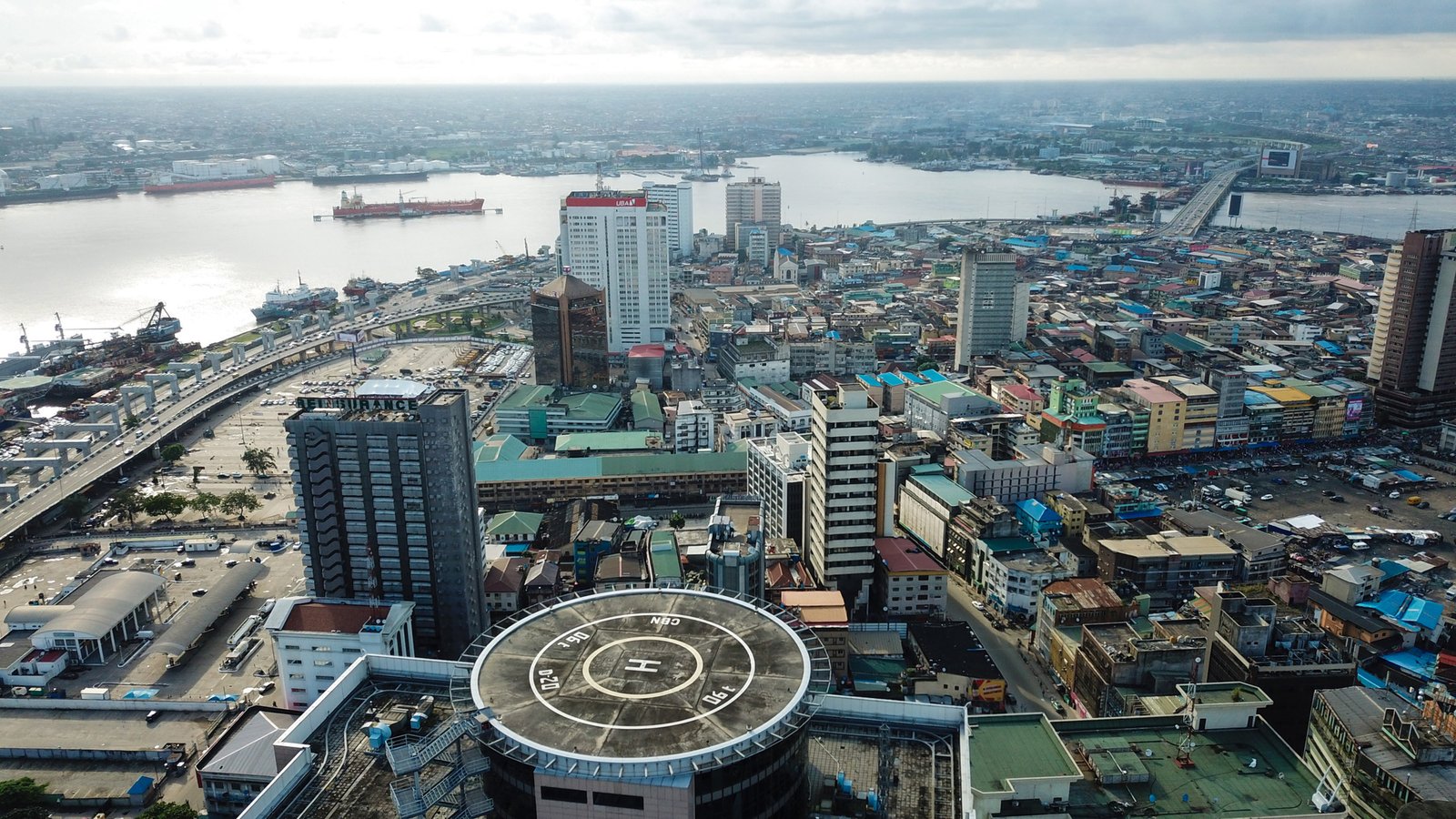
Lagos, Nigeria’s commercial capital, is the largest city in Africa, divided into two major districts: the Mainland and the Island.

Lagos is best known for being the most exclusive city in Nigeria to reside. It is the economic nerve centre of Nigeria and West Africa.

The metropolis is Nigeria’s most densely populated city, with congested streets and massive traffic jams.

Lagos State has magnificent beaches, skyscrapers, outstanding parks, the best entertainment options, the most job opportunities, and a host of others.

Lagos is also one of the top ten fastest-growing cities and urban areas globally.

Is Lagos Safe at Night?

Lagos was once a perilous destination for potential tourists, but it is now much safer as a result of the state spending a lot of money on police, security, and a host of others.

The state government has taken various measures to ensure that Lagos residents and tourists are able to move around the city, without fear of pickpocketing or kidnapping, at night.

9 Safe Places in Lagos State for foreigners

There are several places that are very safe to stay in Lagos. Much of these areas are situated on the island. This means that residing on the island is much safer than on the mainland.

Here are safe places to reside in Lagos State:

1. Ikoyi

Ikoyi is an upscale suburb in Lagos State. Located in the Eti-Osa Local Government Area, it is popularly known as home to remarkable upper-class people in the country.

It is also one of the affluent communities in Lagos.

In terms of security, Ikoyi is one of the safest areas in the megacity.

People willing to relocate to Lagos are often encouraged to buy a house or rent an apartment in Ikoyi.

Ikoyi is also an ideal place to situate a business. There are also remarkable nursery and secondary schools located in Ikoyi.

2. Yaba

Yaba is commonly referred to as the ‘Silicon Valley of Nigeria.’

This is because many tech startups, such as Andela and Co-Creation Hub, are situated in Yaba.

Yaba is one of the safest places to stay in Lagos, despite being situated on the mainland.

Several education institutions are situated in Yaba.

Some of them include The University of Lagos, Yaba College of Technology, Queens College, Igbobi College, Federal Science and Technical College, and the Nigerian Institute of Medical Research.

Yaba is also a major commercial centre. Tejuosho Market, located in Yaba, is one of the busiest market sites in Lagos.

3. Magodo

Also situated on the mainland, it is on the outskirts of Lagos, near Ikeja and Ojodu Berger. Magodo is primarily a residential district widely recognized to house some of society’s most affluent members.

Magodo has a serene and secure environment that is perfect for people to reside in with their family members.

4. Ikeja

One of the city’s safest neighborhoods is the capital of Lagos State- Ikeja.

Ikeja is considered Lagos’ central business district.

It is home to the majority of government parastatals, as well as the Governor’s office and the government house.

The Muritala Muhammed International Airport is situated in Ikeja. It also houses the busy Ikeja City Mall, which comprises several commercial centres and Computer Village. In addition, Lagbaja’s Motherland and Fela’s Africa Shrine are also located in Ikeja.

Ikeja Government Residential Area (Ikeja GRA) is one of the safest places to live in Lagos State.

5. Surulere

Surulere is a safe place to reside on the island.

Anyone seeking to rent an affordable apartment in a secure location should consider areas such as Shitta, Bode Thomas, Orile, and Coker.

Surelere also has well-known landmarks, including Teslim Balogun Stadium, National Arts Theatre, Amala Shitta, National Stadium, and so much more.

It has also produced several notable personalities, such as Aliko Dangote, Desmond Elliot, Wizkid, and Simi.

6. Apapa

Located on Lagos Island’s western side, Apapa is one of the most secure places to live in Lagos.

Apapa is also a vibrant business district.

Warehouses, terminals, and ports are situated in Apapa. In addition, shipping companies, railway stations, and so much more, can also be found in this region.

There are also nice and secure estates people can reside with their families.

7. Victoria Island

Victoria Island, popular known as VI, is one of the expensive suburbs in Lagos State.

Located in Eti-Osa LGA, it is one of the most secure places to live in the city.

It is bounded by Lagos Island, Ikoyi, and thus the Lekki Peninsula.

Victoria Island has become a preferred location for large multinational corporations in Nigeria. Since 1985, VI has been the preferred headquarters of many large companies and businesses such as financial institutions, schools, restaurants, and a host of others.

8. Lekki-Ajah

Lekki-Ajah axis is the perfect place to raise a family.

In terms of security, it is one of the ideal places to live and work.

Lekki can be referred to as the ‘Beverly Hills’ of Nigeria. It is a settling place for most celebrities and foreigners working in the country.

This area also has quality medical centres, standard and well-equipped schools, recreational facilities, and so much more.

9. Festac

Festac provides easy access to Ikotun, Mushin, Surulere, Ikeja, and even Oshodi via road. Festac is home to some of the most fascinating facts and history about Lagos.

Festac is a peaceful area in Lagos State.

This area is known for its dependable power supply, easily accessible police and fire stations, and state-of-the-art supermarkets, restaurants, hotels, health centers, and post offices.

Living in Festac allows you to make the most of your time in Lagos.

Can You Go Out at Night in Lagos?

Yes, residents and tourists can explore the city at any time- even at night.

The centre of excellence, as one of the world’s most populated urban areas, is a city that never sleeps and is the ideal place to unwind at night. In Lagos, the nightlife is incredible. However, there can never be a ‘dull moment’ in the various nightlife spots, so Lasgidi never disappoints night crawlers and fun-seekers.

Can You Have a Road Walk in Lagos?

Yes, you can have a road walk in the city. However, it would be best if you targeted less busy roads such as areas within the estate you reside and places on the island.

Does the Lagos State Government Take Safety Serious?

Yes, the Lagos state government reacts timely to security issues.

The Lagos state government has established several agencies to tackle security issues in the city. Some of them include Lagos State Neighbourhood Safety Corps (LNSC), Lagos State Emergency Management Agency (LASEMA), Lagos State Building Control Agency (LASBCA), and Lagos State Ambulance Services (LASAMBUS).

Places Where Expatriates/Foreigners Live in Lagos

Most expatriates prefer to live in the city’s most affluent neighborhoods, which include Ikoyi (particularly the opulent Banana Island), Ikeja, Apapa, and Victoria Island.

Ikoyi, in particular, appears to be a popular destination for oil and gas workers and their families. These areas are incredibly safe.

No related posts.

15th December 2021 0 comments
0 FacebookTwitterPinterestLinkedinWhatsappTelegramEmail
Newer Posts
Older Posts
  • NABTEB
  • Business
  • Rankings
  • Higher Edu
  • Govt. Agencies
  • University
  • Schools
  • Federal
  • Celebs & Net-Worth
  • Private
  • Sports
  • Military
  • Agriculture
  • Financial
  • Relationship
  • Banks
  • World
  • Uncategorised
  • Audit & Fintech
  • scam
  • Telecom
  • MTN
  • Glo
  • How To
  • Army, Navy, Police & Air
  • Admission
  • Customs, EFCC, NDLEA, & others
  • JAMB
  • General
Info, Guides, and How-tos.
  • Home
  • 100% Free CBT Tests
  • YouTube
  • General
  • World
  • Admission
    • NABTEB
    • JAMB
    • IJMB
  • University
    • Private
    • Federal
  • Telecom
    • MTN
    • Glo
  • Military
    • Army, Navy, Police & Air
    • Customs, EFCC, NDLEA, & others
  • Financial
    • Audit & Fintech
    • Banks
  • Home
  • About
  • Contact Us
  • Privacy policy

@2024 - All Right Reserved.


Back To Top