Info, Guides, and How-tos.
  • Home
  • 100% Free CBT Tests
  • YouTube
  • General
  • World
  • Admission
    • NABTEB
    • JAMB
    • IJMB
  • University
    • Private
    • Federal
  • Telecom
    • MTN
    • Glo
  • Military
    • Army, Navy, Police & Air
    • Customs, EFCC, NDLEA, & others
  • Financial
    • Audit & Fintech
    • Banks
  • Home
  • About
  • Contact Us
  • Privacy policy
Info, Guides, and How-tos.
SUBSCRIBE
  • Home
  • 100% Free CBT Tests
  • YouTube
  • General
  • World
  • Admission
    • NABTEB
    • JAMB
    • IJMB
  • University
    • Private
    • Federal
  • Telecom
    • MTN
    • Glo
  • Military
    • Army, Navy, Police & Air
    • Customs, EFCC, NDLEA, & others
  • Financial
    • Audit & Fintech
    • Banks
Info, Guides, and How-tos.
  • Admission
Copyright 2024 - All Right Reserved
Importance of Irrigation in Nigeria
Agriculture

[Detailed] 8 Importance of Irrigation in Nigeria

by Abbey 29th July 2022
written by Abbey

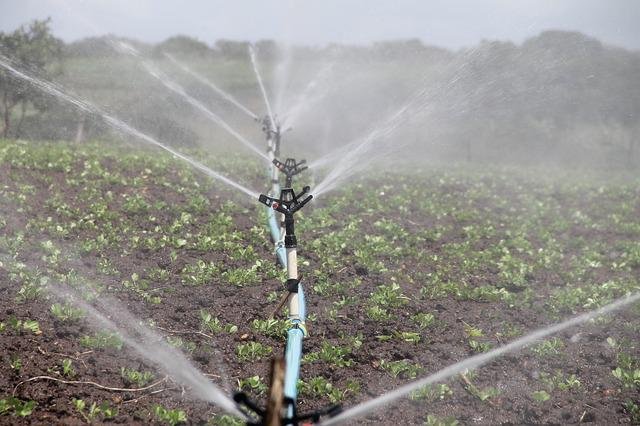
Instead of solely relying on rainfall, irrigation is the act of watering crops, pastures, and plants with water that is delivered by pipes, sprinklers, canals, sprays, pumps, and other artificial elements. In other words, because it is used as an alternative to rain-fed farming, it is a technique for a sophisticated watering system for assisting plants in growing.

It is also a method of meeting the water needs of plants or crops, as water is a vital resource for their growth. In addition, by allowing roots to penetrate dry areas, it helps produce large yields by supplying plants with the nutrients they need for growth and development.

In Q1 2022, the agriculture industry in Nigeria contributed more than 30% of the country’s GDP. Nigeria’s agricultural industry gains a lot from irrigation in a number of ways. In Nigeria, irrigation is crucial for a number of reasons, including increasing the amount of land that is suitable for agriculture and promoting crop development.

Importance of Irrigation in Nigeria

1. A source of water in periods of low rainfall

When there is not enough rain or when it is uncertain when the rain will fall, irrigation begins. The crops are negatively impacted in the absence of rain or irrigation, which may result in a food deficit or crop/plant failure.

For crops to prosper, they require enough water. When there is no rainfall or little rainfall, irrigation makes up for it. Water is a critical factor for growth; hence, a water shortage is detrimental to agricultural productivity. Farmers who have irrigation systems installed on their properties may rest easy knowing that their crops get the moisture and nutrients they need all year long. So, by using irrigation systems, the issue of crop failure or food scarcity caused by a lack of water in fields across the nation can be efficiently addressed.

2. More lands can be cultivated

Some soils are dry and stony, which makes it difficult for newly planted plants to survive. In dry locations, irrigation has helped to revegetate disturbed soils, converting them into cultivable land and increasing the amount of land that can be used for agriculture. Nigeria’s northern region experiences minimal precipitation, which causes aridity and desertification.

The country’s northern irrigation projects are responsible for improving the soil quality of dry land, which inevitably expands the amount of arable land available to farmers. Additionally, irrigation revitalizes fallow fields by supplying the soil with nutrients it needs for the upcoming growing season.

3. Economic growth

Regardless of the time of year or the weather, irrigation ensures that food production continues. This indicates that there is constant income and employment, which lowers poverty. The economy may continue to grow thanks to the significant increase in income brought about by irrigation. Food exports to other areas or nations also contribute to this.
The goal of irrigation is to maintain a consistent level of food production throughout the year. The agricultural industry will benefit from ongoing income and jobs as a result. All year long, farmers, farm laborers, and other allied workers profit from the ongoing production of food.

Without irrigation, farmers and laborers may endure income deficits or seasonal unemployment in dry seasons or when the land is hard from a lack of moisture, which always has a negative effect on the economy. Additionally, traders that deal in such agricultural produce may face an income shortfall during seasons of low rainfall if there is a shortage of food due to a lack of water needed to cultivate crops.

Additionally, irrigation makes sure that agricultural exports do not suffer during dry spells. Therefore, irrigation helps the Nigerian economy thrive by lowering unemployment and guaranteeing that farmers, farmworkers, and traders of agricultural products have access to revenue.

4. Irrigation is efficient

When crops or plants are watered infrequently and just with a hosepipe, the watering is not uniform, and they only receive one pass. This implies that locations that are difficult to access and those with irregular rainfall may not receive enough water. By utilizing effective irrigation technologies, such as drip irrigation, a well-designed irrigation system provides water even to difficult-to-reach sections of the land.

Because the farmer has no control over when and how long it rains, it may be difficult for him to provide his crops with the necessary amount of water for maximum growth. For instance, it might rain in the early morning, then get a little warm later, causing evaporation, which lowers the amount of water in the soil that crops can use. But with irrigation systems, the farmer can provide the right amount and timing of water to his crops. To improve crop output, the farmer can build up irrigation systems to give water to crops at periods when evaporation levels are low.

5. Irrigation makes possible a perfect supply of water for agricultural crops.

Large farm owners occasionally struggle with the issue of far-reaching crops in the field not receiving enough water. Water from the hose may not reach crops that are well out in the field when the crops are being watered. Additionally, this is not good for the crops. Systems for watering plants, like the drip irrigation type, are made to cover the entire planting area. As a result, the irrigation systems installed on the farm can provide a sufficient water supply for all the crops in the planting area.

6. It allows for multi-cropping

In the majority of tropical nations, the rainy seasons are cyclical, making the simultaneous cultivation of several crops impractical. Additionally, their water needs differ, and over-irrigation harms crop output. In most regions of the country, multiple crops can be grown at once with optimal irrigation.

Nigeria is a tropical nation with distinct rainy seasons, making it impossible to grow various crops at once. But in most areas of Nigeria, farms with irrigation systems installed can grow various crops simultaneously. As a result, the farmer will earn more money, and this will also benefit the farm employees and the local economy as a whole.

7. Irrigating helps meet the demand for food

Desert ecosystems have adopted farming to increase food demands without only relying on precipitation due to the expansion of irrigated land. These regions produce food crops including grains, potatoes, and vegetables using groundwater from wells and aquifers, which helps them meet the global demand for food.

There will be greater demand for food as Nigeria’s population is expected to reach 216 million by 2022. Some issues that hinder efforts to achieve food security include insufficient rainfall and dry, uncultivable land. However, when irrigation systems are in place, crops will have access to moisture even during dry spells, and rocky, dry soil that is unsuitable for planting can be replanted.

Due to irrigation, a farmer may employ numerous farming techniques and year-round farming on a plot of land. Additionally, irrigation aids in raising cattle output. Irrigation, in essence, helps farmers increase agricultural productivity in order to fulfill the population’s rising food demands.

8. Helps to cool livestock

The best performance of animals is hampered during the dry seasons by the intense sun. Farmers who raise cattle frequently worry about the heat stress that their animals experience. Heat stress impairs appetites in dairy animals like dairy cows, reducing the amount of milk produced as a result.

Heat stress also impairs dairy livestock’s ability to reproduce, delaying lactation in addition to decreasing appetite. One of the tried-and-true techniques for reducing the heat on animals when the temperature rises is irrigation. Animals (cows, pigs, etc.) are periodically sprinkled with water by the sprinkling irrigation system, which helps the animals control their body temperature through evaporative cooling. When irrigation is used to manage heat stress in animals, such as dairy cows, they will produce more, which will increase the farmer’s income.

In Conclusion

1. Rainfall that is inconsistent, insufficient, or uncertain frequently severely hampers agriculture. Agriculture can continue unhindered with the use of effective irrigation systems.

2. Irrigated land is more productive compared to unirrigated land. Irrigated areas routinely produce greater crop yields than rainfed areas in the developing world.

3. Because seeds need moisture to germinate, they cannot grow in dry soil. The necessary soil moisture for seed growth can be ensured with the aid of irrigation supplies.

4. Irrigation makes it feasible to grow several crops in one year. This will increase productivity and production. In many parts of Nigeria, two or three crops are grown with irrigation systems each year.

5. Hydrogen and oxygen are essential for the healthy development of plant roots, and they can be supplied through irrigation.
The watered soil’s mineral nutrients can be absorbed by plants. So irrigation is crucial for the plant’s overall growth.

6. Irrigation makes it feasible to cultivate a larger area.

7. Drought and famine may also result from not enough rain. During times of famine and drought, irrigation can provide protection.

8. Irrigation aids in the eradication of poverty and the expansion of the economy.

No related posts.

29th July 2022 0 comments
0 FacebookTwitterPinterestLinkedinWhatsappTelegramEmail
Importance of education in Nigeria
Higher Edu

[Detailed] 12 Importance of education in Nigeria

by Abbey 31st July 2022
written by Abbey

The same rights to education apply to boys and girls. Girls with education can choose wisely from a wider variety of options. Girls’ education strengthens families, communities, and economies while also saving lives.

Women’s education boosts a nation’s productivity and supports economic expansion. Not educating girls to the same level as boys costs some nations more than $1 billion annually.

In spite of this, many girls and young women around the world skip school every day. UNICEF estimates that 61 million girls are enrolled in school as of 2016; 32 million are in primary school and 29 million are in lower secondary education.

Girls are frequently excluded from society and do not attend school simply because it is not the cultural norm. If they are disabled, reside in a remote region, or are from a low-income household, their chances of receiving a quality education are significantly lower.

Girls from the same background are four times more likely than boys to drop out of school. The likelihood of the poorest females finishing primary school is likewise the lowest.

The education of girls benefits the individual, her family, the society, and the nation as a whole greatly. The female child’s education equips her with the knowledge and skills she needs to enhance her capacities and act as a catalyst for sustainable development.

Importance of education in Nigeria

1. To improve the social and economic development of the girl-child

The ability to shape her future using the knowledge and skills she has attained is one of the key benefits of education for girls in Nigeria. The girl child receives different fundamental information and skills, as well as training that supports national growth, from early childhood education through postsecondary education. A girl who receives an education grows up to become literate and has a better chance of ending the cycle of poverty, increasing her productivity, and raising the standard of life for her, her children, and family as well as society as a whole.

Education provides girls with the knowledge and skills they need to succeed in their chosen careers. As a result, an educated lady has the potential to pursue careers as a teacher, architect, doctor, computer scientist, lawyer, and pharmacist, among other professions.

2. Safe sex

A girl is three times less likely to get HIV if she finishes elementary school. The World Bank refers to education as a “window of hope” in halting the spread of AIDS among today’s children in light of these facts.

3. Encourage gender equality

Due to the ongoing disparity in opportunities between men and women, gender equality in today’s society remains a major issue. Every human being, regardless of race, sexual orientation, ethnicity, or religion, is entitled to the basic human right of gender equality. There is a gender divide because the roles that men and women play in society are entirely fixed. Greater emphasis is focused on gender equality as girls in our community receive more education.

Human rights become a strong social value when nations advance toward gender equality because women in positions of authority frequently stand up for marginalized groups. As more women hold leadership positions in government, they advocate for more impartial laws and regulations.

4. Reduce cases of child mortality

Young girls are frequently married off as early children, sometimes as young as 9 years old, in several regions of the nation, particularly the northern part of Nigeria. This typically results in the female discontinuing her schooling. The girl suffers from the consequences of her lack of education as she develops into an illiterate young mother who lacks the necessary abilities to be a better parent, employee, and citizen.

In Nigeria, basic, post-basic, and tertiary education typically take years to complete. In Nigeria, a girl-child would have to be 18 years old in order to complete basic and post-basic schooling. Tertiary education also takes, on average, 4 years to complete. Therefore, the time a female spends pursuing her education often indicates that she will marry later, once she is an adult and capable of having and raising children. A woman’s education will have a favorable effect on her children, her close family, and society as a whole.

5. For The Betterment Of Future Generations

The educated girl grows up to be an educated adult. A key component of creating future generations of healthy, educated, and empowered females is providing education for girls. Women in the community who have received an education have the potential to lead in the future, effect change, and create societies that are more powerful and meaningful. And as a result, a country’s citizens are the only reason it is considered prosperous.

6. Helps with population control

With over 200 million citizens, Nigeria is the most populous country in Africa. Overpopulation has negative repercussions on the nation as well as the family. The impacts of the population boom include an increase in unemployment, starvation, the deterioration of the environment and natural resources, as well as the high cost of living. On the other hand, a household with too many people typically struggles financially and lacks access to quality healthcare, among other things.

Making sure that girls receive an education is a tried and true strategy for reducing Nigeria’s population expansion. An educated girl kid often waits to get married and have children until she can adequately care for them, as was stated earlier in the text. Numerous studies reveal a negative correlation between a woman’s higher levels of educational attainment and the number of children she bears. The educated woman has access to information on birth control and family planning, and she is aware that having fewer children means providing more resources for each child.

7. Smaller family sizes that can be easier to take care of

Over time, higher education enrollment lowers fertility rates. Women in Nigeria who have completed secondary school or more typically have three children. Comparatives without a formal education often have seven kids.

8. Helps to get more women in politics

Even while there are still fewer women in politics in Nigeria than there are males, education has significantly increased female engagement in politics and other related fields. Numerous women in Nigeria have had and continue to hold positions as senators, government ministers, legislators, and other political posts. Remi Tinubu, Aisha Abubakar, Kemi Adeosun, Abike Dabiri, Haja Afsatu, Kema Chikwe, Maryam Ciroma, the late Dora Akunyuli, Zainab Ahmed, Rita Akpan, Oby Ezekwelisi, Ngozi-Okonjo Iweala, and Grace Bent are just a few of the renowned female politicians. These women have one thing in common: they all hold advanced degrees. The abilities these women developed during their educational journeys were essential to their ability to effectively carry out their duties in their jobs.

Even if female participation in Nigeria is not where it should be, this issue can be solved by educating young girls. Increased female political participation in Nigeria is more likely when there is an increase in the education of the girl child.

9. Reduce child marriages

According to the United Nations Population Fund, one in three girls in developing nations get married before becoming 18 years old. The wedding date is postponed by four years in areas where girls attend school for seven or more years.

10. Boost productivity at work

The girl kid is given a variety of fundamental knowledge from the moment she enrolls in basic school, which is essential for business, wealth creation, and educational advancement. Additionally, if she pursues higher education, she will receive top-notch training that will enable her to support national development. The girl-child will be able to work harder and earn more money thanks to the abilities she gains through her schooling. Investing in a girl’s education will undoubtedly significantly boost her future wages.

11. Reduce the amount of infant mortality

Children of illiterate moms are more likely to pass away from diseases including tetanus, measles, whooping cough, poliovirus, and others that may be avoided. For instance, some illiterate moms in rural areas refuse to let their kids get the immunizations they need, which causes pain and financial hardship for the kids and the family.

On the other hand, moms who received an education were more aware of illnesses and ways to avoid them. Therefore, a mother’s education degree correlates positively with the likelihood that her child will survive infancy.

12. Have a positive impact on the education of future generations

The saying “If we educate a boy, we teach one person” is common throughout Africa. We can educate an entire nation and a family if we educate a girl. Education for girls is beneficial for future generations. In this sense, a girl child who receives an education is aware of the advantages it offers firsthand. She will therefore probably make sure that her children receive an education when she grows up and becomes a mother.

No related posts.

31st July 2022 0 comments
0 FacebookTwitterPinterestLinkedinWhatsappTelegramEmail
Importance of federalism in Nigeria
Govt. Agencies

[Detailed] 17 Importance of federalism in Nigeria

by Abbey 31st July 2022
written by Abbey

Federalism is a form of government that permits the existence of multiple central authorities. This implies that there is a federal government that is supreme and that there are also smaller, more regionally focused types of governments that deal with local and regional matters.


The goal is to better serve the requirements of each region of the nation, although there are some challenges that do arise.
Additionally, it ensures that certain territorial units—which may be states, regions, or provinces—have some degree of autonomy. Typically, these territorial divisions have autonomy over matters relating to identities, such as language and culture, local economic growth, infrastructure, and public services.


Federalism is a workable solution to some, but not all, of the difficult tasks and cohabitation issues that arise in varied societies.
Nigeria campaigned for the adoption of federalism as a nation of dizzying diversity, with more than 250 ethnolinguistic groups, to ensure political inclusion, a wider distribution of public resources, and a balance of power across the three tiers of government.


Importance of federalism in Nigeria

1. The power-sharing base is broadened.

Because of federalism, political parties that are marginalized at the federal or international levels are allowed to hold office at the state or provincial level. In nations with a dominating party at the national level, this may help to promote political participation and a balance of power.


Federalism allows political parties or groups that are not well-known on a national level to run for office in their respective states and local government jurisdictions. For instance, APGA defeated other federally-level political groups that also wished to hold the office of governor in Anambra state. As a result, Nigerian federalism aims to encourage political inclusion.


Nigeria campaigned for the adoption of a federal system in 1954, following the 1953 Lyttleton constitution conference. The three major ethnic groups came together at that time to form Nigeria as a federation. The midwestern zone was added ten years later, in 1964, bringing the total to four. As time went on, more new states were added, and by 1996, there was 36 states total. In Nigeria, there are 774 local government areas at the local level.
 
Federalism was embraced as an institutional solution to the issues linked with magnitude and diversity because there are more than 250 different ethnic groups. Federalism has greatly benefited Nigeria since it was implemented even though it has its drawbacks. 


2. It encourages Innovative and pragmatic approaches to policy development


Federalism can encourage innovation and experimentation in policy making by allowing subnational units to create their own policies to satisfy their particular requirements. This enables states or provinces to pioneer creative policies that would not be politically viable at the federal level.


3. Division of Powers


The local, state, and federal governments each have a portion of the administrative authority in federalism. There are two possible ways to disperse power. Either the constitution specifies the powers the federating units shall possess and leaves the remaining powers to the federal authority, or it specifies the powers the federal authority shall have.


4. Separate Government

In a federal form of government, both the center and the units have their separate set of governmental apparatus. America, for instance, is a federation of states. As a result, each state has its own legislature and the executive branch.

5. The Constitution is written


There must be a written constitution for a federal government. A written agreement in the form of a written constitution is required since a federation is a political alliance of different states.


6. A better understanding of regional demands and problems


The national government lacks a real means of comprehending the problems, needs, and adjustments that must be made throughout the nation. This is why federalism has so many benefits. The smaller divisions of local administration are located in the center of the community. They are better equipped to handle the real issues that require adjustment.

7. Rigid constitution


A federation’s constitution ought to be somewhat rigorous. It is viewed as a sacred contract, whose spirit should not be readily broken. A flexible constitution gives the federal government the ability to limit the independence of the federating states.

8. Increasing Citizen Engagement


Our founders strengthened a citizen’s ability to influence their government, government policy, and lawmaking by not concentrating all power in the hands of a national government but instead sharing it among state governments, which are more on the level of the average citizen.
 

9. It eliminates the bridge between the government and the people


Federalism is a constitutional tool to close the gap between the government and the people in a big, culturally diverse country like Nigeria. Due to Nigeria’s three-tier federalism system, citizens are more in touch with their local and state governments, giving them the opportunity to participate in politics and have their opinions heard. Because of this, leaders will be able to comprehend their people’s wants and priorities because they will be close to them.
 
The subnational institutions of government of the day can exercise democratic control and create policies catered to the interests and desires of their governed subjects thanks to the significant powers granted to the states and local governments. Federalism, therefore, serves to prevent unpopular, inappropriate, and unworkable policies that are typically created without taking into account the needs and aspirations of the populace.

10. For the Prevention of Tyranny


One of the most crucial aspects of federalism is that it serves as a deterrent to tyranny and runaway power by splitting power between the federal government and state governments and spreading it among three branches of the federal government that function as checks and balances on one another. One of the most crucial reasons the system was created in the manner it was is the safeguards we have against a totalitarian, rogue government.

11. It promotes innovative methods for developing policies


The formulation of policies catered to their unique ambitions and requirements is made easier by state and municipal governments’ access to improved information about the situations of the population under their authority. State governments occasionally have to create workable policies that may not be politically viable at the federal level but address the unique requirements of their citizens in order to address specific issues falling under their purview. Federalism thus encourages novel methods of policymaking at the state and local levels.
 

12. Reduces the workload on federal authorities


The fact that federalism in Nigeria lightens the load on the federal government is another significant function of the system. Both municipal and state governments offer public services within their respective spheres of influence. Governments at the state and local levels offer domestic administration as well as the delivery of public services. It will be difficult for the federal government to focus on strategic issues and national goals if the 774 local government units and 36 states in the nation are left to support themselves. As a result, the state and local governments free up the federal government to concentrate on the most urgent issues affecting the nation.


13. State governments may respond to citizens’ needs more quickly


The closer a government body is to its citizens, the more likely it is to respond to their needs. States are more likely than the federal government to pay attention to citizen demands and act on them.

14. A Better Distribution of Public Resources is Ensured


States and local governments require money in order for domestic administration and the provision of social services to function at the subnational level. States typically receive funding from personal income taxes and other levies, but in Nigeria, the majority of state finances come from monthly payments made by the Federation Account Distribution Committee (FAAC), which uses a horizontal allocation system. Like the federal government, municipal governments also get grants and funding from their own sources.
 
The states receive a distribution of 26.72 percent of the federal government’s total revenue, and local governments receive 20.60 percent of it. The subnational units receive funding from the federal government, which is used to help each state and local government region fulfill its socioeconomic objectives.

15. More effective


It is possible to increase system efficiency by distributing some of the federal government’s authority among the states and granting them the freedom to address some of their own issues.

16. It develops democratic responsibilities and capacities by promoting them


As a federalist nation, the multiple state institutions in this nation offer residents, legislators, and public officials a beneficial opportunity to develop skills and fulfill democratic obligations.

In Nigeria’s 36 states and 774 local governments, there are several institutions and political offices that act as training grounds for both citizens and public servants, helping to foster the growth of greater engagement in politics and decision-making. For instance, Goodluck Ebele Jonathan, the former president of Nigeria, served in a number of capacities in his native Bayelsa before ascending to office.
 

17. Increasing Citizen Engagement


Our founders strengthened a citizen’s ability to influence their government, government policy, and lawmaking by not concentrating all power in the hands of a national government but instead sharing it among state governments, which are more on the level of the average citizen.


Conclusion


Federalism makes it possible for many ethnic and racial groupings to coexist across the nation.
Federal systems feature at least two levels of government: the national level and a second level that includes the regions, states, and provinces that make up the country’s territorial divisions.

Federalism offers mechanisms for these many groups to share authority over shared interests, but it also allows for some degree of autonomy with regard to central state institutions.

A constitution safeguards federations with regard to the division of power among central state institutions as well as the rights and obligations of the federal government and its constituent provinces, states, or regions.

However, federalism is not a miracle cure. There are some issues that federalism cannot handle on its own, such as how to protect minorities or the cost of federalism due to the necessity to create institutions not only at the national level but also at the regional, state, and provincial levels. The coordination of policies or policy responses, such as those to pandemics or natural disasters, can occasionally be challenging between the various levels.

No related posts.

31st July 2022 0 comments
0 FacebookTwitterPinterestLinkedinWhatsappTelegramEmail
importance of Drug laws in Nigeria
Govt. Agencies

[Detailed] 24 importance of Drug laws in Nigeria

by Abbey 1st August 2022
written by Abbey

Why Nigeria needs to stop drug abuse

The use of drugs and other psychoactive substances by young people in Nigeria has increased recently. More concerning is the fact that female substance usage is increasing geometrically. About three million bottles of codeine are drunk every day in Nigeria, according to a documentary by the British Broadcasting Corporation’s The Cable newspaper.

Of this number, more than half is consumed in the two cities of Kano and Jigawa alone, largely by women. This comes on top of the pervasive usage of narcotics like tramadol, cannabis, and other psychoactive substances, which have terrible effects on Nigerians’ health, social, economic, and secure lives.

According to today’s newspaper, 40% of Nigerian adolescents abuse drugs and alcohol. To support the aforementioned finding, NOI Polls Limited results show that nearly 9 in 10 Nigerians (90 percent) think teenagers and young adults between the ages of 15 and 29 account for the majority of drug and substance abusers.

Furthermore, findings indicate that marijuana, codeine, and alcohol are the most misused substances in Nigeria. The outcome revealed that poverty and unemployment are the main factors contributing to the surge in drug and substance misuse.

Tramadol and codeine are by far the two medicines that young people in Nigeria abuse and misuse the most. A synthetic opioid analgesic called tramadol is used to treat moderate to severe pain. It has no harmful effects on the respiratory system when taken as directed, but an overdose can result in arrhythmias, cramping, coma, and eventually death. On the other hand, codeine is frequently prescribed as a painkiller since, in comparison to many other opioid medicines, it is comparatively mild. However, it is risky and can easily result in addiction.

Codeine usage for a long period of time and on a regular basis can cause fatal health issues as well as maladaptive behaviors. Drug use has a negative impact on both individuals and society as a whole. There are many negative impacts on the society that can be attributed to drug addiction and substance misuse. Numerous studies have revealed a strong link between substance addiction and the rise in crime and violence in the nation.

Numerous abusers, particularly children and young people, have been found to participate in armed robberies and risky antics. Due to the sharing of needles when administering drugs, substance addiction has also been somewhat connected to early school dropouts and a number of HIV/AIDS cases.

Importance of drug laws in Nigeria

  1. The Nigerian drug laws is important in order to coordinate all agencies related to the use and abuse of drugs.
  2. It is important for the proper application and implementation of drug legislation statutes’ provisions.
  3. Drug laws support the adoption of actions to locate, track, freeze, seize, or confiscate proceeds from drug-related offenses or property with a value equal to those proceeds.
  4. In order to lessen human suffering and remove financial incentives for illicit traffic in narcotic drugs and psychotropic substances.
  5. Drug laws assist in the adoption of measures to eradicate illicit narcotic plant cultivation and to eliminate illicit demand for narcotic drugs and psychotropic substances.
  6. Drug laws aid in the implementation of measures that may call for establishing specific arrangements with transport owners in order to prevent the use of common transportation methods for the unlawful trade in narcotic drugs.
  7. Drug laws help in the adoption of policies that involve integrated repressive and preventive actions implementation and upkeep of investigative and management approaches.
  8. Drug laws help in putting steps in place to make eradication operations more effective.
  9. The promotion of quick scientific and technical information sharing and the conduct of research aimed at ending the use of illegal drugs and psychoactive substances is encouraged by drug laws.
  10. It helps in taking action to destroy or otherwise dispose of the narcotics that have been seized, confiscated, or forfeited as soon as possible.
  11. Drug laws help in facilitating or encouraging the availability or presence of people, particularly those who are in detention but have agreed to cooperate with inquiries into or take part in legal procedures involving drugs of abuse and psychoactive substances.
  12. It helps to improve the ability of the police to stop the illegal trade in narcotics and other psychoactive substances.
  13. Establishing, maintaining, and protecting communication in order to facilitate the rapid transmission of information about offices and to improve global cooperation in the suppression of illicit traffic in narcotic drugs and psychotropic substances by road, sea, and air.
  14. Drug laws in Nigeria help in bolstering and completing the measures outlined in the 1971 Convention on Psychotropic Substances, the 1961 Convention on Narcotic Drugs, as amended by the 1972 Protocol, and the United Nations Convention Against Illicit Traffic in Narcotic Drugs and Psychotropic Substances and its Serious Consequences.
  15. Drug laws in Nigeria help in putting measures in place that could guarantee the eradication and prevention of the underlying causes of the issues posed by narcotics and psychoactive substances.
  16. Strengthening and improving efficient legal tools for international cooperation in criminal issues in order to combat global narcotics and psychoactive substance trafficking.
  17. The Nigerian drug laws help with collaborating with governmental organizations both inside and outside of Nigeria to carry out tasks that are entirely or partially equivalent to those of the Agency regarding, among other things.
  18. Regardless of any laws to the contrary, take charge of, supervise, control, and coordinate all the duties, tasks, and activities related to the seizure, investigation, and prosecution of all offenses connected to or relating to the illicit traffic in narcotic drugs and psychotropic substances.
  19. Enhancing cooperation with the Attorney General’s Office, the police, immigration agencies, welfare officials, health officials, and other law enforcement organizations in the fight against illegal drug and psychoactive substance trafficking.
  20. Production restrictions, such as eradication and aggressive action against producers and manufacturers.
  21. The Nigerian drug laws make provisions for stopping the smuggling of drugs.
  22. Investigation and detention of those believed to be involved in high-level trafficking
  23. The Nigerian drug law makes provision for arresting and punishing those responsible for retail drug markets
  24. Arrest and punishment of those accused of using or possessing banned substances.

Adverse consequences of drug abuse

Chemicals that have an impact on the body and brain are drugs. Drugs can have a variety of impacts. Long-lasting and permanent health problems are among some of a drug’s side effects. Even after the person has stopped using the drug, they may still go on.

The three main methods of drug consumption are injection, inhalation, and ingestion. How medicine is administered can affect how it behaves in the body. For instance, although ingesting a medicine has a delayed effect, injecting it directly into the bloodstream provides an immediate effect.

However, the brain is impacted by all the medicines that are overused. They cause the brain to experience a “high” by flooding it with a lot of dopamine, a neurotransmitter that helps control our emotions, motivation, and pleasure experiences. Drug usage can eventually alter how the brain functions and affect a person’s capacity for decision-making, resulting in strong cravings and compulsive drug use. This conduct has the potential to develop into a drug addiction over time.

Conclusion

Over the past forty years, Nigerians have become increasingly involved in the production, distribution, use, and misuse of illegal narcotics. This prompted successive Nigerian governments to pass drug control laws. The manufacturing, trafficking, and abuse of harmful drugs and substances have not been reduced as a result of drug control laws and policies.

Here are some ideas for improved drug laws:

  1. Drug law enforcement tactics should be reevaluated and refocused, shifting away from a sole emphasis on narcotics seizures and user arrests toward cooperating with pertinent agencies to lessen health and social effects.
  2. It is necessary to embrace a new set of strategic goals and success metrics for law enforcement.
  3. Resources must be focused on the most dangerous components of organized crime rather than on the seizures or arrests of low-level traffickers in order for actions against these groups to be effective.
  4. Strategies for enforcing the law against retail markets must be based on accurate assessments of the local market dynamics and aim to shape these markets to reduce any harm that may result.
  5. It is necessary to adopt policies and initiatives that reduce the likelihood that young people will interact with the black market for illicit drugs. This can be accomplished if local drug markets are targeted by enforcement measures in a way that makes it harder for young people to access the market.
  6. There is a need for procedures that are cost-effective and based on evidence to refer drug offenders to the proper services, such as community-based drug addiction treatment services. Law enforcement organizations are able to detect and direct drug addicts to these facilities.

No related posts.

1st August 2022 0 comments
0 FacebookTwitterPinterestLinkedinWhatsappTelegramEmail
Importance of Development Planning in Nigeria
Govt. Agencies

7 Importance of Development Planning in Nigeria

by Abbey 2nd August 2022
written by Abbey

A development plan is a written declaration with accompanying maps that outlines the council’s overall strategy for the appropriate planning and sustainable development of a region. The plan often includes the council’s overarching goals for particular issues such as housing, infrastructure, and community facilities. These goals are supported by more specific policies and objectives.

Planning for national development is centered on maximizing a nation’s potential across all economic sectors to promote equitable, sustainable, and long-term growth. Regional development, social development, human capital development, public administration, infrastructure, and economic growth and development are all impacted by the importance of development planning in Nigeria. The significance of development planning in Nigeria will be emphasized in this piece.

Things a development plan should contain

A development plan typically consists of five elements and is strongly related to a performance monitoring method.

  • Vision
  • Mission
  • Goals
  • Strategies
  • Actions

Why development planning is important in Nigeria

1. A Successful Response to Macroeconomic Difficulties

Planning for future development is a practical answer to the macroeconomic difficulties in Nigeria. Two development plans, the Economic Recovery and Growth Plan (ERGP) and the Economic Sustainable Plan (ESP), have recently been put into action to address the country’s major macroeconomic problems. Following the economic recession experienced in the final phase of the Vision 20:2020 Economic Transformation Blueprint, the Economic Recovery and Growth Plan (ERGP) was created to restore economic growth in Nigeria.

Through concentric economic diversification, investments in social inclusion, job creation, and youth empowerment, as well as investments in infrastructure and the business environment, the ERGP’s development planning policies are intended to revive economic growth. Even though the COVID-19 pandemic had a negative impact on the crude oil market and foreign exchange profits, which caused the growth performance to fall short of the ERGP’s target, the development plan nonetheless had significant positive trends for most of the time it was in existence.

The Economic Sustainable Plan (ESP) was a strong and well-articulated development strategy designed to revive the Nigerian economy. The Economic Sustainable Plan, which is a transition plan between the ERGP and the National Development Plan, averted a potentially severe recession and sped up the economy’s speedy recovery with N2.3 trillion set aside for the ESP.

2. Promoting Industrial Development

Up until 1980, the economic policies of emerging nations, particularly Nigeria, emphasized the need for planning and government participation in the economic growth process. First off, economists and planners realized that increasing the rate of saving and investment was crucial to accelerating economic and industrial growth.

It was believed that the private sector could not, on its own, achieve the greater rates of investment and saving needed to end the cycle of poverty. In order to enhance the rate of saving and investment, the state has to step in and raise resources through its fiscal and monetary policies. As a result, public sector expansion and planning have become crucial to boosting economic growth.

3. Contribution to gender equity for women

Girls and women make up nearly half of the population of Nigeria. Sadly, only 10% of all resources in Nigeria are owned by women. The maternal mortality rate in Nigeria has increased to 917 per 100,000, one of the highest rates in the country. Patriarchal standards, the underrepresentation of women in politics, and the high rate of child marriage are a few of the barriers to women’s full economic engagement in Nigeria.

The National Development Plan, 2021–2025, has been put in place to accomplish these goals, which include inclusive growth, increased gender parity, and a decrease in gender-based violence in Nigeria. N108 billion has been set aside for the four years that the National Development Plan will be in effect to support the economic empowerment of women; track gender-related data; put gender-based violence prevention policies into place; assist victims of gender-based violence, and make it easier to mainstream gender issues into existing policies. These practical initiatives for women will support the competitiveness and economic growth of the nation, encourage greater female engagement, and boost employment and economic growth.

4. Fosters a robust national identification management system and sustainable population management

With a growth rate of 2.6 and a current population of over 200 million, it is anticipated to reach 400 million by 2050. The rapidly expanding population of Nigeria has put a strain on its resources and jeopardizes the achievement of the long-awaited demographic dividend. Additionally, a sizable portion of the populace—roughly 100 million people—does not own legal national IDs. In addition to the population boom, there are more people moving from rural to urban areas. It would be challenging for the nation to slow population growth, stop rural-urban migration, and fill the data vacuum needed for inclusive national development planning without sufficient development planning focused on sustainable population management and a strong national ID management system.

In order to achieve this, the government has outlined policies to control population growth, carry out reliable population counts, decrease rural-urban movement, and make sure that both citizens and immigrants have national identities and unique IDs, respectively.

The National Development Plan uses tactics like improving access to and awareness of family planning, bolstering the ID management systems currently in place, and introducing measures to reduce rural-urban migration by creating economic opportunities in rural areas as well as infrastructural improvements in urban centers.

5. Poverty Reduction and social protections

Many of Nigeria’s development plans have placed a focus on reducing poverty, and the government has implemented a number of social programs that provide resources to help the nation’s most vulnerable citizens. The Economic Recovery and Growth Plan (ERGP), which launched the Social Protection Policy framework, the National Social Safety Net Program (NSSNP), the National Conditional Cash Transfer Program, the National Social Investment Program (NSIP), and the Government Enterprise and Empowerment Program (GEEP), all of which were targeted at Nigerians living in the most precarious circumstances, had previously created initiatives to create jobs.

Despite their good intentions, these programs didn’t considerably lower the poverty rate since they weren’t supported by strong safety nets. The National Poverty Reduction with Growth Strategy, 2021, was developed as a result of this. The National Development Plan currently builds on the current social protection framework in accordance with the National Poverty Reduction with Growth Strategy.

From 2021 to 2025, a Social Investment Fund of N5.4 trillion will be distributed across numerous ministries, departments, and agencies (MDAs) in Nigeria with the goal of ensuring that the most vulnerable members of society are empowered and share in the prosperity of the nation through clearly defined strategies.

6. Employement and Job Creation

Nigeria is struggling with severe unemployment and underemployment, which weakens the nation’s ability to produce new wealth and alleviate poverty. Over the years, a number of development programs have placed a significant emphasis on job creation. To address the rising number of unemployed and underemployed Nigerians, the National Development Plan now places a strong emphasis on job creation and employment.

The NDP aims to achieve this through a variety of strategies, including but not limited to building intersectoral connections to unleash the potential of high-growth industries that have the potential to generate millions of jobs; getting rid of practices that endanger the ability to generate income through respectable work; promoting technical education and training (TVET); and encouraging MSMEs’ business viability to promote job creation.

7. Fostering agricultural expansion

While emerging nations (including Nigeria) prioritized rapid industrialization to bring about structural transformation of their economies, agriculture was not completely neglected. In contrast to communist countries in the 1950s, the development of agriculture was left to the private sector. Land reforms, however, were implemented in Nigeria to safeguard tenants against eviction and set fair rents that landlords might demand from them.

Nigeria made attempts to redistribute land after setting caps on land holdings. However, the fast expansion of agriculture itself necessitates extensive government planning and intervention. The construction of infrastructures, such as irrigation, power, and roads, as well as the provision of sufficient financing to farmers, was necessary where planning and the state could play a significant role.

Conclusion

Given the limited resources available, development planning entails creating well-thought-out plans that prioritize and synchronize activities. Any national development plan’s goal should therefore be to better utilize the resources at hand in order to realize specific objectives.

Governments have a significant role in achieving economic growth and development, and it is required of them to deliver regular, substantive plans that will enhance the general welfare of society in a variety of ways, including politically, socially, and economically. Like many other nations, Nigeria has produced various heads of state who have developed a wide range of national development plans in an effort to promote economic growth and development.

No related posts.

2nd August 2022 0 comments
0 FacebookTwitterPinterestLinkedinWhatsappTelegramEmail
importance of business registration in Nigeria
Business

16 importance of business registration in Nigeria

by Abbey 3rd August 2022
written by Abbey

Registering your company is the first step in establishing it legally. It implies that you have the authority to conduct business.

It is important to register your firm if you want to maximize its potential. The Corporate Affairs Commission (CAC) in Nigeria is in charge of registering corporate companies. The benefits of registering a business include, among other things, legal protection and ensuring the viability of the enterprise.

Why Business Registration is Important in Nigeria

1. Registering your business helps you reduce your personal liability

You are legally accountable for every aspect of your firm, including debts and losses, as a sole proprietor or partner. Additionally, you will be held personally responsible if you sell a product that is faulty or you make a mistake. This type of business operation might be risky because it puts your personal assets at risk as well.

A company, on the other hand, is a distinct legal entity that makes it simple to shield your personal assets from business decisions. You won’t be personally liable for the company’s debts, allowing you to concentrate on growing your firm.

2. You’ll reduce the amount of taxes you pay

You might pay less tax if your business is structured as a corporation, depending on how much money it makes. The highest tax rate for a person is currently lower than the tax rate for corporations and small businesses.

As a sole proprietor, you are subject to individual taxation, and the profits from your business are included in your personal income.
Additionally, your business will be qualified for a number of tax breaks for marketing, training, and maintenance expenses.

3. Business registration provides owners with legal protection

You are legally shielded from any liabilities your company may face when you register it with the Corporate Affairs Commission. In essence, registering your business makes you a separate legal entity from that of your firm by separating you from it. Your personal property won’t be detained by the bank. For example, if your business (or company) gets a loan from a bank but, due to difficulties, there is a default in the payment, The only assets that your company’s properties can be withheld from the bank from which you acquired the loan are those assets.

4. A business’s registration makes it easier to seek funding

A crucial component of every business is funding. Among other options, getting money for your business may come in the form of grants from the government or loans from banks. Therefore, regardless of how you choose to raise capital for your company, being able to show that it is registered with the Corporate Affairs Commission makes it easier to get bank loans and receive government subsidies.

Investors would also be keener to partner with a registered business than an unregistered one. When looking for essential authorities, your firm becomes legitimate and trustworthy if it is registered with the Corporate Affairs Commission.

5. Trademark Protection

Protecting your company’s name and trademark is a very important function of corporate affairs commission (CAC) business registration. When a company has become well-known among customers, other brand-new companies may start to appear with the intention of exploiting the name and trademark of the popular company to profit from the customer base that has already been built up.

However, this unfair business conduct cannot be carried out if your company is registered with the Corporate Affairs Commission (CAC), as the name and trademark of a registered company are protected.

6. The registration of businesses facilitates international travel

If you wish to travel for business, getting a visa is simple if your company is registered with the Corporate Affairs Commission. Because business excursions have a favorable impact on the economy of the host nation in terms of foreign exchange, embassies issue visas to international investors who want to visit those nations on business. It will be simple to get a business visa for other nations if you are a registered business owner in Nigeria.

7. Business registration increases consumers’ trust in the company

For any firm to grow, credibility and a positive reputation are essential. Customers are convinced that a company is reliable and trustworthy if it is registered with the Corporate Affairs Commission. Because of this, potential clients feel at ease doing business with such a corporation or business entity.

These clients would recommend the business to others if the company’s positive reputation is upheld. And if these prospective clients—who have not yet transacted business with the aforementioned corporation (or business entity)—arrive, they will require confirmation that the enterprise is legitimate and sanctioned by Nigerian law.

Any business in Nigeria is given legitimacy by the Certificate of Incorporation that is given to the proprietor upon successful completion of the business registration process.

8. Credibility and brand recognition

Consider some of the most well-known businesses today, such as Google, Nike, and Facebook. These are all legally recognized businesses. A corporate structure is essential for a business to be as effective and extensive as it can be.
By registering your firm, you improve its perception and reputation. A business is a distinct entity that runs independently of you.

As many corporations will only hire or work with registered companies, becoming a registered company is crucial for any future dealings with third parties. This implies that your company’s name, not your own, will appear on business contracts.

9. You can raise a lot of money from shares

As a corporation, it will be simpler for you to draw in investors and obtain capital for your enterprise. You can borrow money and take on debt when your business is registered, but more crucially, you may sell shares and raise equity capital. Even if the money is staying in the business, you would still have to pay taxes if you had any other type of corporate structure.

Raising capital could be necessary for the growth and development of your company. Investors also prefer investing in registered companies over sole proprietorships and partnerships because they are confident that there is a formal structure in place to receive their money.

10. You can open a business account

As it distinguishes the business owner from his company, having a corporate account for a company is a valuable advantage. However, the Corporate Affairs Commission requires documentation of incorporation as part of the account opening process before you can have a business bank account. Customers are more comfortable making financial transactions into a business account that bears the name of the company than they are to the owner’s personal account. This approach makes it much more professional.

11. To guarantee the business continuity

Every business owner anticipates that his company will continue to operate even if he is not around. If you are a business owner and want to make sure your company stays relevant, you should register your company with the Corporate Affairs Commission.

When registering a business with the Corporate Affairs Commission, the owner must include information on the business’ organizational structure as well as other pertinent facts that will be kept on file with the CAC. When the owner(s) of a firm are not available to run the business, the CAC structure is recognized to ensure its continuity. If a business is properly registered, it may be transferred to another party or sold because every business is regarded as a separate legal entity.

12. The registration of businesses encourages civic responsibility

Tax payment is required in Nigeria for registered commercial entities, and it is also a civic duty for individuals and corporate entities. Tax deductions from your company are used to support public and social services, as well as governance and economic development initiatives. Therefore, business registration gives corporate citizens (business entities) a way to show that they are doing their civic duty by paying taxes.

13. Bidding for government contracts is permitted with business registration

Any business company in Nigeria must be properly registered with the Corporate Affairs Commission before it is permitted to submit a bid for a government contract.

14. Evidence of Legality

Evidence that the business has been registered is provided by the Certificate of Incorporation that is given upon successful completion of business registration with the Corporate Affairs Commission. This increases the legitimacy of the company, particularly for small firms.

15. Supplier Discounts

A registered firm also entitles you to supplier savings that an unregistered organization would not typically be qualified for. Suppliers frequently hold back wholesale prices for proprietors who can provide proper documentation.

Additionally, one of the first prerequisites if you intend to try to secure government contracts for your organization is a business registration.

16. Employing People

If your business is registered, you can hire full-time employees and pay them in compliance with state rules if your business is registered. When you register your business with the government, you will be given a state identification number, which allows you to send employees state taxes on their behalf.

Therefore, it is important to register your business before you even begin the hunt for staff if you intend to add employees to your organization.

No related posts.

3rd August 2022 0 comments
0 FacebookTwitterPinterestLinkedinWhatsappTelegramEmail
Importance of Agricultural marketing in Nigeria
Agriculture

12 Importance of Agricultural marketing in Nigeria

by Abbey 4th August 2022
written by Abbey

Agricultural marketing is the study of all the processes, organizations, and laws that help farmers obtain farm inputs and move their produce from the farm to the customer. Between the agricultural and non-agricultural sectors, the agricultural marketing system acts as a bridge. It involves setting up marketing strategies for agricultural goods and inputs, figuring out the demand for farm inputs and raw materials, and managing the supply of agricultural raw materials to processing businesses.

A key element to the success of agricultural enterprises is marketing. Farmers may enhance profitability, expand sales, and reach out to more customers with the help of good agricultural marketing. Knowing your target market is the first step in marketing food goods effectively. You may learn a lot about a consumer before you start talking with them by researching the target market.

Making the most of such research is essential for a successful agriculture marketing and sales operation, as is using it to interpret what consumers need. The information acquired can be used to develop successful marketing strategies that target the proper audience. One strategy that might add value and distinguish a new agribusiness is organic production and marketing.

At farmers’ markets, events, and roadside booths, many farmers opt to sell their goods directly to consumers. Direct marketing offers a greater level of freedom and control than wholesale sales.

Agricultural marketing ensures the coordination and flow of agricultural products through various channels to the hands of the final customers in the metropolitan areas, remote regions, and outside the shores of Nigeria. The majority of agricultural output occurs in the rural sections of the country. Aside from helping agricultural products expand throughout the nation and abroad, agricultural marketing has additional advantages that will be covered in this essay.

Agriculture Marketing in Nigeria: Its Importance

1. A Better Life

The effectiveness of development initiatives meant to enhance the quality of life for everyone depends on the marketing system. Therefore, the development of efficient food and agricultural marketing must receive special emphasis in any economic development strategy intended to reduce agricultural poverty, slash consumer food prices, boost foreign exchange revenues, or reduce economic waste.

2. A huge source of employment

The marketing system employs millions of workers in a wide range of activities including packing, transportation, storage, and processing. People who work in the marketing system include commission agents, brokers, traders, retailers, weighers, baggage handlers, packagers, and regulatory staff. In addition, a lot of people supply goods and services through the marketing system.

Transportation, packaging, storage, and processing are just a few of the activities that fall under the umbrella of agricultural marketing. By executing their respective tasks, those involved in various operations in the agriculture marketing system are able to make money. Additionally, the agricultural marketing system provides work for traders, retailers, middlemen, weighmen, and drivers. The agricultural marketing system also employs a number of additional people that provide the commodities and services that are required at any time during the marketing process.

3. Agro-bases business can grow even more

When agricultural marketing is effective, it helps the nation’s agro-based sectors expand. Industries that depend on raw commodities like cotton, wheat, oilseeds, and cocoa are guaranteed of supply with an effective agricultural marketing system. Because of this, agricultural marketing aids in the development of new agro-based companies.

Among the industries that use agricultural products as raw materials are those that manufacture beverages, soap, tires, paper, textiles, and canned fruits, to name a few. The contribution that agricultural marketing makes to the expansion of agro-based sectors in Nigeria directly boosts the country’s economy’s overall growth.

4. Agriculture is responsible for huge foreign exchange

Nigeria makes foreign currency through selling its agricultural products to other countries. Some of the high-grossing agricultural goods that give Nigeria a significant amount of foreign currency are sesame seeds, cocoa, soybeans, and cashew nuts. In actuality, agricultural exports rank as Nigeria’s top source of foreign currency after crude oil.

5. Broadens the market for agricultural products

The expansion of the market for agricultural products in Nigeria is significantly aided by agricultural marketing. Nigeria has a huge demand for agricultural products from industry, urban centers, rural areas, and places outside the country’s borders. A well-organized and effective agricultural marketing system ensures that agricultural products get to far-off places where there is a demand.

The demand for agricultural products increases as the market gets bigger. As a result, the farmer can be certain of higher income because expanding markets suggest constant demand for his goods.

6. Gives insight to farmers about which products are in demand

Farmers can learn more about the agricultural products that are in high demand when they have a functional and effective marketing system. With this information, producers may concentrate on producing these agricultural goods to satisfy customer demand.

They make more money and meet consumer expectations when they manufacture these agricultural items to provide through the various marketing channels to locations with high demand. Therefore, the farmer, the marketing team, and the customer all benefit.

7. Increases farmers income

An effective marketing system guarantees higher levels of income for farmers by reducing the number of middlemen or restricting the commission on marketing services and the malpractices they utilize in the marketing of farm products. An efficient system makes certain that farmers receive higher prices for their agricultural products and encourages them to spend their surpluses to purchase contemporary inputs that will increase productivity and output.

The surplus sold by farmers and their income rise as a result. If a producer does not have a convenient market outlet where he can sell his excess produce, he will not be motivated to create more. Offering sufficient incentives for increased output is therefore essential, and this can only be done by streamlining the marketing system.

Farmers make money when they sell their marketable excess. Due to the limited purchasing power of residents in rural areas, where the majority of farming activities take place, the farmer may not earn a respectable wage. However, farmers have the potential for enhanced revenues due to a wider demand base with better purchasing power than those at the rural level and an effective marketing system at their disposal.

A farmer can use some of his profit to buy cutting-edge farm inputs that will boost productivity and output thanks to improved revenues as a consequence of agricultural marketing. Increased output and productivity will also raise his income. The improved income of the farmers has a knock-on effect on their households, communities, and the national economy of Nigeria.

8. Helps farmers to adopt new techniques and technology

Because the marketing system makes it easier for farmers to embrace new scientific and technical information, this benefits farmers. Farmers will only make the larger investments required by new technologies if they are confident there will be a market.

For a while, Nigeria’s agricultural exports had encountered poor reception on the international stage for a number of reasons. For instance, the Director-General of NAFDAC reported in 2018 that the European Union had rejected more than 76% of Nigeria’s agricultural exports because they did not meet international requirements for food safety.

This rejection encouraged the adoption of a number of strategies to overcome the obstacle. For instance, to guarantee that Nigeria’s exports of agricultural goods adhere to international best practices, the Nigeria Agricultural Quarantine Services (NAQS) has to put risk management mechanisms in place. Additionally, Nigerian farmers who export agricultural products are required to use new methods to verify they follow international guidelines for food safety.

9. Price Signal

With the aid of a successful marketing plan, farmers may schedule their production in accordance with the demands of the economy. This work is done via price signals.

10. Year-long availability of seasonal products

Agricultural marketing makes sure that seasonal agricultural products are available all year long, without drastically changing prices in the off-season.

11. Ensures that Agro-based products are available at demand centres

Nigeria has a large rural population of farmers. However, metropolitan areas in Nigeria are where the majority of the people resides. The marketable surplus of the farmer in the rural areas reaches the urban centers thanks to effective agricultural marketing.

12. Resource management and output optimization

The use of resources and production management are optimized via an efficient agricultural marketing system. The marketable surplus can also be increased by reducing losses brought on by inefficient processing, storage, and transportation, as well as by having an effective marketing strategy. The available supply of contemporary inputs can be effectively dispersed by a well-planned marketing strategy, enabling the agricultural industry to grow more swiftly.

Conclusion

Marketing for agriculture is crucial for boosting economic growth as well as productivity and consumption levels. Its dynamic features are essential for promoting economic progress. It has earned the moniker “the most powerful multiplier of agricultural progress” as a result.

It is impossible to overstate the significance of agricultural marketing in Nigeria, but there are some issues that require attention if we are to maximize the benefits of marketing agricultural products. Nigeria’s agricultural marketing has a number of difficulties, including but not limited to inadequate storage facilities, subpar preservation methods, traffic jams at seaports, poor roads, and instability in some regions.

No related posts.

4th August 2022 0 comments
0 FacebookTwitterPinterestLinkedinWhatsappTelegramEmail
Importance of business education in Nigeria
Business

[Detailed] 10 Importance of business education in Nigeria

by Abbey 4th August 2022
written by Abbey

What do people get business education?

Learning the abilities required to operate, manage, and expand a business is part of getting a business education. By enrolling in a business school, you will gain knowledge of the numerous departments and elements that go into creating a successful corporation, from an accurate and effective accounting department to a marketing team that can produce compelling campaigns.

In general, if you are just beginning your business career, you might want to consider enrolling in a bachelor’s program, which will give you a solid foundation in the field. Advanced students could consider applying to a master’s program, which frequently offers specific specializations in fields like marketing and finance and lets you take a course that is suited to your objectives.

Why Business education is important in Nigeria

1. People who have a business education can make more money

The first benefit of business education for raising life quality is a fairly straightforward one. No matter our age or where we reside, all of us must work for a living at some point in our lives (with a few exceptions, including mainly very young children and retirees receiving a public pension). Better financial circumstances will raise our standard of living and degree of comfort.

The reason for this is that we cannot begin to improve the quality of our lives without first improving our standard of living, which includes having enough money to pay for reasonable-quality goods and services. We may not be able to sleep soundly if we do not have a comfortable mattress, comforter, and pillow, or if we are preoccupied with worries about not having enough money to buy food this month.

After studying business education, we have a plethora of professional options. All-level management positions with multinational corporations are an option for us, as are starting our own businesses to pursue entrepreneurship, taking over a family business when our parents are no longer able to run it, pursuing an academic career to conduct research at universities, and instructing others in business management.

2. Increasing your Grit

Studying business also fosters grit, which is another advantage. Famous psychology professor Angela Duckworth contends that “grit” may be the key to success over the long term. She explained her study in her book “Grit,” which demonstrated that intelligence, grades, and socioeconomic standing don’t add up to the success-guaranteed quality of “grit.”

Duckworth defines grit as having a strong commitment and ongoing perseverance toward a long-term objective. One of the goals of business education is to instill perseverance and tenacity because the business world is extremely demanding and unpredictable.

3. Improving the environment around you

A venture that can improve the world can be started thanks to business education. You can establish a business that provides people with the goods and services they require to meet their requirements, address their issues, and improve their quality of life. You can not only shape your personal destiny with the aid of a business education, but also the world.

4. A business education is beneficial when launching a business

Business education will enable us to launch our own firm whenever we choose. We can pursue a passion that fulfills us while also making a significant contribution to the urgent concerns of others.

Studying business education in Nigertia inspires students to found their own businesses with the goal of changing the world as well as making a profit. I meet a lot of young people every day who are enrolled in my business programs, and they have so many very brilliant ideas that could actually improve the world.

By studying business education, we get knowledge of how businesses set up their resources (factors of production) to create and market goods and services that satisfy human needs and wants. For example, we learn that in order to survive, we need things like water, food, and other necessities (i.e., something that makes our lives comfortable, but we can easily survive without it, e.g., faster cars, new computers, etc.).

5. Marketing expertise

The study of business must include marketing. You must distinguish your thoughts in order to succeed in today’s society. Consequently, picking a business school is a terrific strategy to learn how to comprehend your audience and make a creative appeal to them.

You may succeed in any field by learning how to sell your goods, services, or talents. It’s crucial to develop your internet marketing talents in the digital age.

6. Business education makes life easier via the aid of business tools

Third, business management may enhance our quality of life by enabling us to be more effective and efficient. These tools and strategies are applicable to both businesses and personal lives. We now have more free time thanks to these tools, which we may use to spend time with the people we love. Spend it visiting grandparents, helping your father organize the garage, calling old classmates you haven’t spoken to since high school, or hanging out with friends from the same city.

When we study business management, we will be able to learn how to create and apply different business tools that help managers make strategic decisions. We will be able to apply them to troublesome circumstances that arise now and in the future, remark on the outcomes, and make choices.

By analyzing social, technological, economic, environmental, political, and ethical environmental elements, the STEEPLE Analysis will enable us to determine which country offers the greatest environment for studying or working abroad.

The idea of economies of scale will help us comprehend that by purchasing a larger quantity of a product, we have more negotiating power with the seller and can reduce the average cost of each product.

7. Acquiring problem-solving abilities

First and foremost, developing problem-solving skills is a key component of business education. Identifying and describing an issue accurately is the first step in solving it. It could be challenging for you to identify a given problem if you have never encountered it.

However, having a business education can show you how to identify and remove performance barriers. This is a very practical skill that can be helpful in daily life.

8. Optimal decisions are easier to make with a business education

Fourth, when we gain the ability to make wise judgments through business management, the quality of our lives will significantly increase because we won’t have as many regrets about the past.

Making decisions based on data, facts, and evidence will be easier for you to make if you have a strong foundation in business. It will demonstrate how sensible what you are doing right now is.

Due to the fact that business management is the study of decision-making, a surprising number of decisions made within an organization resemble those we make outside of work.

We will develop business sense as we become more analytical. We will look at numerous scenarios by examining a business challenge from the perspectives of different stakeholders before selecting the optimal approach.

We can more easily make the right decisions that will move us closer to achieving our goals once we develop transferable skills, such as the capacity to think critically, make ethical decisions, be comfortable with constant change, think about our actions strategically considering available resources, and engage in long-term planning.

9. Development of communicative abilities

Have you ever considered that the majority of daily tasks demand strong communication abilities? Writing an effective report, presenting a persuasive argument, coming up with strong business essay examples, or even just drafting an appropriate email all involve the ability to communicate. Working with students from varied backgrounds and from different nations is a must for business students.

It implies that team members will have different perspectives and experiences from your own, which will certainly clash. You must be able to assess the situation, diplomatically address opposing viewpoints, and assert your point of view if you want to succeed in teamwork.

10. Gaining knowledge about investing

Any education must include financial literacy as a fundamental component. At some point in our lives, we all make significant purchases. They can be used to finance a home purchase, a car purchase, or a company investment. How can I find out what to invest in and what things need to be taken into account? To achieve it, you should be familiar with fundamental economic ideas. A business degree will teach you how markets are affected by global events and how to make smart investment choices.

No related posts.

4th August 2022 0 comments
0 FacebookTwitterPinterestLinkedinWhatsappTelegramEmail
importance of land reclamation in nigeria
General

6 core Importance of land reclamation in Nigeria

by Abbey 6th August 2022
written by Abbey

Reclaiming undesirable or useless land and using it for a constructive or advantageous purpose is known as land reclamation. In other words, it is a technique for converting a wasteland into a suitable area for habitation, society, commerce, and industry.

It is quite typical in Nigeria’s southern regions, where there appears to be lots of lands, particularly around the beach. Due to its considerable contribution to the current and future well-being of the environment, land reclamation in Nigeria is significant and of great value. Land reclamation, which aims to convert unused land into usable land, aids in increasing the amount of land available for development, providing habitat for wildlife, enhancing the quality of life for people, and converting unused land into areas suitable for residential, commercial, and industrial use. Different techniques, like sand filling and drainage construction, can be used in Nigeria to reclaim the land.

Methods of land reclamation

Depending on the type of land, the fill material, the foundation soil, the topography of the seabed, the presence of fine material, etc., a variety of various methods can be used for land reclamation.

1. dry Methods

The maybe easiest approach entails “infilling,” or filling the appropriate area with clay, other dirt, massive, heavy rocks, or cement, then building up to the required height level. However, during seismic activity, this technique may be susceptible to soil liquefaction. This approach typically produces a loose profile of fill when granular soil is utilized as the fill material, hence densifying the reclaimed ground may be necessary.

2. hydraulic reclaiming technique

This wet approach is only appropriate for granular soil with adequate drainage properties when fill material is acquired from an offshore borrow source. Fill material is often transported from the borrow source to the site location by a bottom-opening barge. This works best on a seafloor that is 6–8 meters deep. The amount of bottom-opening barges employed and the distance between the borrow sources and the site location will determine the reclamation production rate.

3. Rehandling approach

This entails dumping fill material into a temporary storage pit with a capacity of several million cubic meters while being transported by barges. The rehandling pit is typically placed in a natural depression on a hard seabed or built there through dredging.

4. Hydraulic filling

This approach is appropriate for granular fill and is typically employed when filling is done from an offshore source, such as a trailer suction hopper dredger or a rehandling pit.

Dredged fill material is pumped via a discharge pipe at the site location, typically with a fill material and water mixture that is regulated for grain size. It is often possible to pump directly from the borrow source to the site for distances of up to 10 kilometers.

When the bottom is too shallow or the soil is too soft, this procedure is not appropriate.

5. Sand Spreading

This method is used when there is a shallow seabed or the seabed soil is too soft for hydraulic filling. A small floating barge is equipped with a spreader, and sand and water are discharged through holes in the pipe. The spreader uses a winch system and a bulldozer to move from one end of the site to the other.

Why Land Reclamation is important  in Nigeria

1. Tourism potential

Land reclamation is important in Nigeria because it encourages tourism, which brings in money for the government. Reclaimed land is occasionally used for leisure activities like the construction of national parks, which are popular tourist destinations.

These tourism destinations draw visitors from all around the nation and even from beyond. These individuals spend money when they go to these facilities. The government then uses this money to upgrade the infrastructure where it is weak. Land reclamation thus encourages tourism.

2. Increased land mass

In Nigeria, one of the importance of land reclamation is that it helps to increase land mass. When certain land is reclaimed, it, therefore, increases the area for human occupancy. The monetary value of the properties would be relatively low in areas with a lot of damaged land, drastically lowering the quality of living conditions for those who reside there. By raising the monetary value of the properties nearby, land reclamation works to improve the quality of the area and bring it back to its former glory.

Land reclamation creates extra land for the new development of quality residential buildings as well as other developments, whether industrial or commercial.

3. It is possible to create artificial islands and industrial zones through land reclamation.

The ability to use land reclamation in Nigeria to build artificial islands where none previously existed is another benefit of this practice. Banana Island, Ikoyi, Lagos, Gracefield Island, Lekki, Lagos, The Eko Atlantic, Victoria Island, and Lagos are a few examples of man-made islands in Nigeria. To expand the number of high-quality residential places available, these regions were developed. They are the location of numerous businesses and industries.

The Dangote Refinery, which is situated in the Lekki free trade zone in Ibeju-Lekki, Lagos, is another illustration of a region that has been reclaimed in Nigeria. More land is made accessible for development in certain locations. It is possible to construct more structures and infrastructure to support economic growth, increase housing options, and ease traffic and population growth. This is due to the necessity to recover land that was previously covered by water as the human population grows.

Because there are businesses and industries in these locations, the development of such areas also creates work for Nigerians, lowering the unemployment rate in the nation. This is true because manufacturers locate new industries in reclaimed lands and generate trade and other commercial activity there.

4. Helps to bring back wildlife

The land is recovered in Nigeria to make habitats for wildlife. Various wildlife uses are made of reclaimed land. This is yet another crucial function that land reclamation serves in Nigeria.

It is well known that the majority of our woods have been cut down for a variety of reasons, forcing these wild animals to lose their habitat. These creatures are in danger of going extinct due to the development of urbanization. Thus, it is possible to reclaim land and develop habitats for these wild creatures. This might be akin to a game reserve where they are looked after and safeguarded.

5. Helps with food production

The improvement of agricultural activities that result from land reclamation helps to ensure food security in Nigeria, which is another benefit. For example, agricultural activities such as swamp rice production are normally encouraged where land has been reclaimed. The species of rice cultivated on reclaimed land are usually salt tolerant.

Another agricultural activity that can be done on the recovered ground is fish aquaculture. Fish pond construction is primarily encouraged in these places. It is also possible to turn swampy areas into farmland that can be used for crop development. By supplying food for the populace, all of these agricultural operations that take place in these locations contribute to the country’s overall food security.

6. Land reclamation creates space for grazing and protects the wildlife

Land reclamation produces grazing land for animals in Nigeria. Ruminant animals including goats, cows, sheep, and cattle graze on some of the land that has been restored for agriculture. Consequently, one might claim that land reclamation gives ruminant animals food.

In some locations, once the land has been reclaimed from waterlogged areas, water is typically saved. Such protected water typically acts as a natural wildlife preserve, supplying food for aquatic species.

In Summary: Importance of land reclamation in Nigeria

  1. Increase in available land
  2. Recovered land can be used for  agricultural activities like marsh cultivation
  3. Water that remains following land reclamation is typically pure enough to be used for home or industrial uses.
  4. Reclaimed land is occasionally used for leisure activities, such as national parks for tourists.
  5. In various regions of the country, reclaimed ground is frequently used for wildlife purposes.
  6. Land reclamation does lead to high quality of the environment as such land is free from water encroachment.
  7. Ruminant animals including goats, sheep, and cattle also graze on reclaimed land.

Conclusion

The technique of generating new land artificially is known as land reclamation. This is accomplished by either draining muddy areas or by filling in already-existing bodies of water like oceans, seas, and riverbeds. Reclaimed land, reclaimed ground, or landfill are all terms used to describe the newly formed land as a result of this.

No related posts.

6th August 2022 0 comments
0 FacebookTwitterPinterestLinkedinWhatsappTelegramEmail
Importance of unity schools in Nigeria
Schools

8 Importance of unity schools in Nigeria

by Abbey 6th August 2022
written by Abbey

The phrase typically (though not always) refers to secondary schools called Federal Government Colleges. They originated from the same motivation as “federal character,” NYSC, quota systems, etc., all of which were designed to promote harmony among individuals from various ethnic and socioeconomic backgrounds

The notion is that by introducing Nigerians from various regions of the nation to one another and to other locations, you may perform nation-building. The quota system and unity schools are identical to the US’s desegregation and affirmative action policies. Their goal is to improve for one generation those segments of society that haven’t historically profited from (or witnessed the benefits of) modern educational systems (e.g., 25 years).

The result is that, in theory, mutual understanding is promoted when Nigerians from Sokoto end up in Ebonyi and those from Osun end up in Benue. Due to the great competition in some fields, the quota system also gives those who would not typically be accepted a chance to better their future (and the overall future of the country).

Beginning in the 1960s and 1970s, the Federal Republic of Nigeria’s government established Unity Schools with the primary goal of integrating and developing future leaders for both the public and private sectors of Nigeria who would be responsible for and develop the mindset of fostering national unity and sustaining a great nation.

Unity schools are crucial in Nigeria, and this cannot be underlined enough. In Nigeria, unity schools support national integration, nation-building, and unity. Students from many sections of the nation and from all walks of life—regardless of their various ethnic backgrounds and religious beliefs—come together at unity schools to learn knowledge and values, thereby fostering unity. More than a hundred unity schools can be found throughout Nigeria’s states and regions, giving youngsters the chance to learn about the various facets of the nation’s diversity.

Why Unity schools are important in Nigeria

1. Unity schools offer a variety of curricula

Children in Unity schools in Nigeria have access to a variety of curricula that support the development of their various skills. Different academic and extracurricular activities are available at various secondary school levels to assist students to develop their potential.

Science, business, basic technology, the fine and applied arts, as well as other subjects, are all offered in Unity schools. Even their technical colleges offer courses in catering, painting and decorating, wood and metal work, ladies’ clothing, bricklaying, and repairs of phones and televisions, among other things. Regardless of their hobbies or areas of strength, all of these support students in focusing on any subject they choose and in carving out a space for themselves in society.

2. University Schools Push Students to Set High Standards

Unity schools are important in Nigeria because they encourage students to strive for greater academic and life goals. Because of the way Unity schools are set up, excellent performance is rewarded. Both academic and extracurricular endeavors have benefits. These incentives encourage students to work hard and achieve notable successes both inside and outside of the classroom. This encourages them to work harder and achieve greater heights in their endeavors in life.

3. Promotion of National Unity

The promotion of unity among Nigerian children is one of the important functions of unity schools in that country. Children are taught the value of respecting others’ beliefs and religions even if they differ from their own in unity schools. This aids in encouraging harmony among differences.

We are all aware that there are numerous ethnic and religious groupings in Nigeria. Thus, unity schools assist kids in understanding one another and developing greater tolerance. Additionally, they instruct kids in respecting and appreciating people of all faiths. All of these things support the group’s togetherness.

4. Develop children of high esteem

One of the benefits of unity schools in Nigeria is that they produce highly esteemed individuals. People who can think independently and respect others’ sentiments are raised in unity schools. They teach people how to value the dignity of labor. People learn to recognize many values in unity schools.

Unity educational institutions support the development of independent thinkers who can stand by their conclusions. In-depth disciplinary measures are also used to teach individuals that their actions have repercussions. Because they have handled duties and completed a variety of activities that aided in boosting their level of confidence at some point in school, they are taught how to be responsible citizens.

5. To further their education after graduating from primary schools

Another benefit of Nigeria’s unification schools is that they give all youngsters, regardless of background, the chance to continue their education in higher education. Children are given the opportunity to access secondary education through Unity schools.

Since unity schools are strategically positioned throughout the nation, children from all regions have an equal chance to succeed, regardless of their background in terms of religion, ethnicity, or social class.

6. A healthy lifestyle is encouraged in these schools

To promote healthy living, Unity schools in Nigeria provide physical education and health education programs to their students. Physical education professionals with the necessary qualifications and training instruct these classes. They aid in enhancing the students’ overall coordination and flexibility.

Additionally, these programs support the student’s interpersonal skills and lift their spirits. During class, they mingle freely. All of these contribute to the pupils’ overall well-being being improved. Students learn skills in physical education and health education programs that will motivate them to maintain healthy lifestyles as they get older.

7. Expose the children to modern tech

Students from all walks of life have the chance to embrace the modern era of science and technology thanks to Unity schools. Students are taught the fundamentals of coding and other IT skills at the majority of unified schools.

We all know that the world is a small community. The technology of today has made enormous strides. The majority of unified schools make sure that their students have access to current knowledge regarding cutting-edge science and technology. The majority of unification schools feature computer laboratories that are fully furnished with cutting-edge machines. All of these contribute to preparing the pupils to function well in a society that is developing quickly.

8. To promote culture and language

The promotion of Nigerian culture and language is one of the important functions of unity schools in Nigeria. Nigerian Unity schools support and promote both local and international cultures. Through academics and other forms of media, Unity schools educate their students about various cultures.

The culture and values of the people of Nigeria are taught to students. Additionally, they are taught about various cultures as well as what is acceptable within the Nigerian African cultural heritage. This enables them to better understand Nigerians’ rich cultural history.

Conclusion

Unity Schools was one of the national initiatives or programs launched by General Gowon’s administration to advance national unification. This is the establishment of federal institutions, sometimes called “unity schools” because their goal is to serve all 50 states. The government had the opinion that if a child is sent to a school outside of his or her local area when they are still young and developing, they will eventually grow up to live with and respect other Nigerians from those locations.

This is accurate when one observes the cordial connection between Chimaraoke Nnamani of Enugu State and Alhaji Ahmed Makarfi, the previous governor of Kaduna State. Because the two governors attended the Federal Government College of Enugu, a bond between them evolved. There are currently 114 unity schools in the Federation.

The first all-boys institution in Nigeria was established in 1909 and was known as King’s College, Lagos. The school was founded to prepare people for the then-colonial government’s formation. The government opened Queens College, Lagos in 1927, an all-girls school, but this time they paid attention to the education of girls, which had not before received any concern. The schools’ achievements in providing young Nigerians with a quality education while also instilling in them a sense of national pride, encouraging national unity, and serving as a real tool for national integration and unification.

It was what wowed Sir Abubakar Tafawa Balewa’s administration in the immediate post-independence period. This prompted his administration to create three further federal unification colleges based on the nation’s then-regional organization. The three additional schools established in 1966 were located in Okposi, Eastern Region; Warri, Mid-Western Region; and Sokoto, Northern Region, keeping in mind that the prior institutions were located in the Western Region.

No related posts.

6th August 2022 0 comments
0 FacebookTwitterPinterestLinkedinWhatsappTelegramEmail
Newer Posts
Older Posts
  • NABTEB
  • Business
  • Rankings
  • Higher Edu
  • Govt. Agencies
  • University
  • Schools
  • Federal
  • Celebs & Net-Worth
  • Private
  • Sports
  • Military
  • Agriculture
  • Financial
  • Relationship
  • Banks
  • World
  • Uncategorised
  • Audit & Fintech
  • scam
  • Telecom
  • MTN
  • Glo
  • How To
  • Army, Navy, Police & Air
  • Admission
  • Customs, EFCC, NDLEA, & others
  • JAMB
  • General
Info, Guides, and How-tos.
  • Home
  • 100% Free CBT Tests
  • YouTube
  • General
  • World
  • Admission
    • NABTEB
    • JAMB
    • IJMB
  • University
    • Private
    • Federal
  • Telecom
    • MTN
    • Glo
  • Military
    • Army, Navy, Police & Air
    • Customs, EFCC, NDLEA, & others
  • Financial
    • Audit & Fintech
    • Banks
  • Home
  • About
  • Contact Us
  • Privacy policy

@2024 - All Right Reserved.


Back To Top